Skip to content


The dining table is one of the hardest-working pieces of furniture in your home.
It's where everyday breakfasts become family conversations, dinner parties stretch long into the evening, and increasingly, where we work, study and spend time together. More than just somewhere to eat, your dining table becomes the centre of everyday life.
Choosing the right one isn't simply about finding a table that fits your room. It's about balancing size, shape, material and functionality with the way you live.
Whether you're furnishing a compact apartment, an open-plan kitchen diner or a dedicated dining room, this guide will help you choose a dining table that feels beautifully proportioned, practical for everyday living and designed to last.
What This Guide Covers
How to choose the right dining table
Finding the right size for your room
Dining table measurements explained
Round vs rectangular vs oval dining tables
How many people can your dining table seat?
Choosing the right dining table material
Ceramic dining tables explained
Should you choose an extending dining table?
How your dining table influences the rest of your room
Dining tables for different lifestyles
Common buying mistakes
Dining table buying checklist
FAQs
Choosing the Right Dining Table
Before thinking about finishes or materials, take a moment to consider how you'll actually use your dining table.
A table used for quick weekday meals may have very different requirements to one that's regularly surrounded by family and friends. Likewise, a compact breakfast area needs a different solution to a spacious open-plan dining room.
Start by asking yourself:
How many people eat here every day?
Do you entertain regularly?
How much space do you have available?
Will the table also be used for working or studying?
Do you want it to be a subtle addition or the focal point of the room?
Answering these questions first makes every decision that follows - from choosing the right size to selecting the best material - feel much more straightforward.

Finding the Right Dining Table for Your Space
One of the biggest mistakes people make when buying a dining table is measuring the table before measuring the room.
Instead, begin with the space itself.
Measure the overall room dimensions and think about how people naturally move through it. Consider nearby doors, kitchen islands, sideboards and windows, along with any walkways you need to keep clear.
A useful way to visualise your new dining table is by marking its footprint on the floor using masking tape or newspaper. This gives you a much better sense of how the table will sit within the room before making a commitment.
Leave Enough Space Around the Table
A dining table should never feel squeezed into a room.
As a guide, aim to leave around 90cm between the edge of your table and the nearest wall or piece of furniture wherever possible. This provides enough room to pull dining chairs out comfortably, slide a dining bench backwards and move naturally around the table.
If you're working with a smaller dining area, around 75cm can still work, although movement may feel a little tighter.
Giving your dining table room to breathe helps the whole space feel more balanced and comfortable to use.
Dining Table Measurements Explained
Understanding a few key measurements will help ensure your dining table feels as comfortable as it looks.
Table Height
Most dining tables measure between 72–76cm high, making them suitable for standard dining chairs and dining benches with seat heights of around 45–50cm.
Aim to leave approximately 25–30cm between the seat and the underside of the tabletop. This provides comfortable legroom while allowing everyone to sit naturally at the table.

Table Width
Dining table width influences more than just how much food you can fit on the table.
Narrower tables are ideal for compact spaces, while wider tables offer more room for serving dishes, centrepieces and entertaining. Choosing the right width helps create a table that's practical for everyday meals as well as special occasions.
Allow Enough Space Per Person
For comfortable dining, allow approximately 60cm of table space per person.
This gives everyone enough elbow room to dine comfortably without feeling crowded and forms the basis for the seating recommendations later in this guide.
Top Tip: If you're choosing your dining table alongside new dining chairs or a dining bench, think about how they work together as a complete dining setting. The right combination should leave enough room to sit comfortably, move freely and keep your dining space feeling balanced.
Round, Rectangular or Oval Dining Tables
The shape of your dining table influences how your room looks, how people interact around it and how efficiently the available space is used.
Round Dining Tables
Round dining tables create a sociable atmosphere by allowing everyone to face one another equally. Without corners, they also improve flow through smaller rooms and make moving around the table easier.
They're particularly well suited to square dining rooms, compact kitchen diners and smaller households.
Rectangular Dining Tables
Rectangular dining tables remain the most versatile option.
They work beautifully in larger rooms and open-plan spaces, offering generous seating while providing plenty of surface area for both everyday dining and entertaining.
They're also the easiest shape to pair with dining benches.
Oval Dining Tables
Oval dining tables combine many of the advantages of both round and rectangular designs.
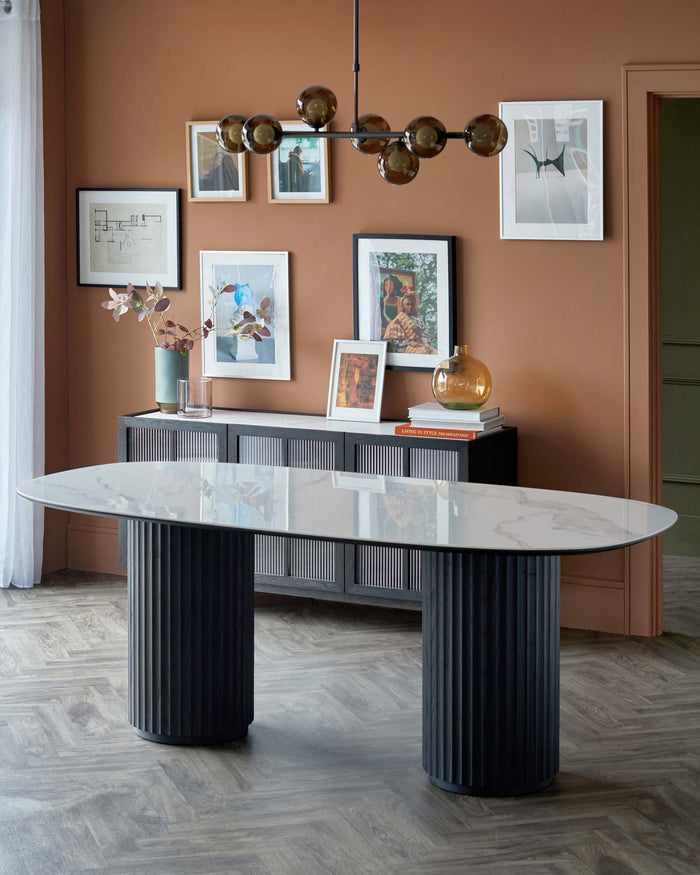
Their curved ends soften the overall look while maintaining generous seating capacity. They also encourage better circulation around the room, making them an excellent choice for open-plan living.
Square Dining Tables
Square dining tables are ideal for seating four people comfortably.
They create a balanced, intimate setting and work particularly well in apartments, breakfast rooms and smaller dining spaces.
How Many People Can Your Dining Table Seat?
The size of your dining table has a direct impact on how comfortably everyone can dine.
Rectangular Dining Tables
Round Dining Tables
Table Diameter | Seats |
90–110cm | 2–4 |
120cm | 4 |
135cm | 4–6 |
150cm | 6 |
180cm | 8 |
These are general guides and can vary slightly depending on the width of your dining chairs or whether you're incorporating a dining bench.
Round pedestal dining tables often provide additional flexibility, allowing chairs to be positioned more freely around the table without corner legs getting in the way.
Choosing the Right Dining Table Material
Material influences not only the appearance of your dining table but also how it performs in everyday life.
Ceramic Dining Tables
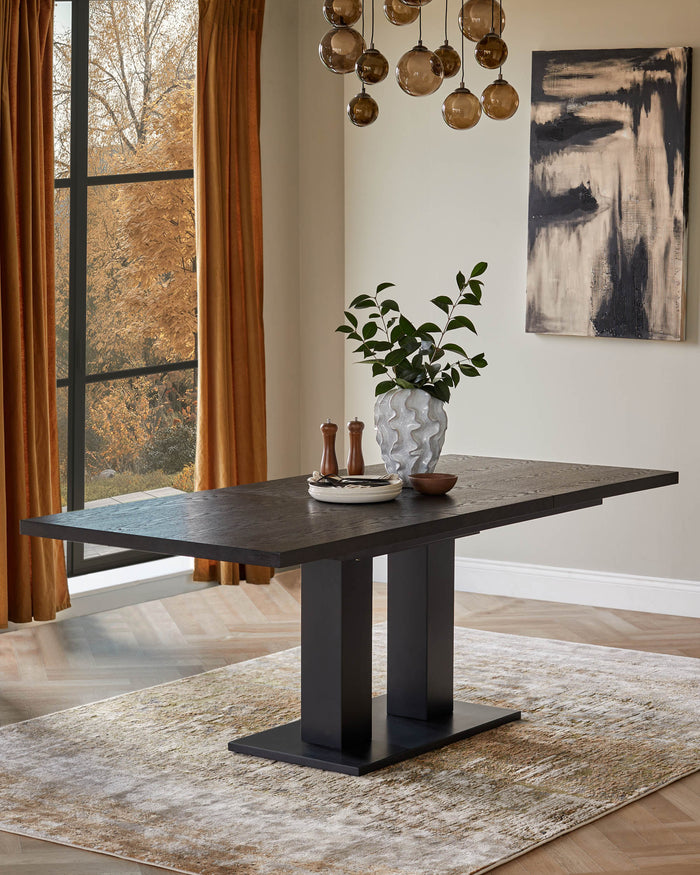
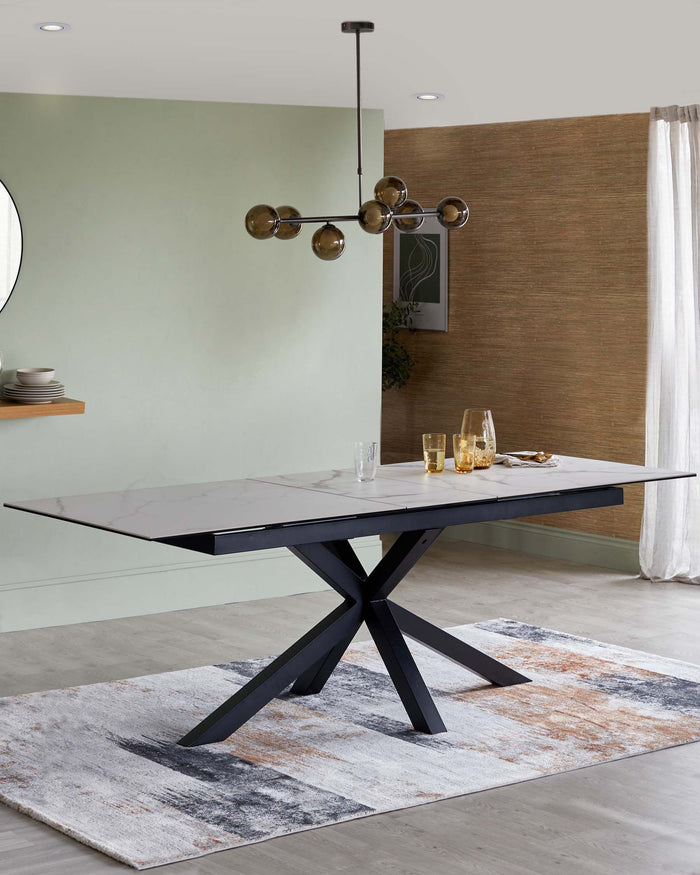
Ceramic dining tables have become increasingly popular thanks to their exceptional durability and contemporary appearance.
They're highly resistant to scratches and heat, making them well suited to busy family homes as well as frequent entertaining. Their smooth, tactile surface is also easy to maintain, offering practicality without compromising on style.
Wood brings warmth, texture and timeless appeal to a dining space.
Natural grain patterns ensure every table feels unique, while the organic finish works beautifully across a wide range of interior styles.
Glass Dining Tables
Glass dining tables reflect light beautifully, helping smaller rooms feel brighter and more open.
Their lighter visual footprint makes them particularly well suited to contemporary interiors where maintaining a sense of space is important.
Mixed Material Dining Tables
Combining materials such as ceramic, wood, glass and metal creates a dining table with greater depth and visual interest.
These layered designs introduce subtle contrast while making it easier to coordinate your dining table with other furniture throughout the room.

Should You Choose an Extending Dining Table?
If your dining needs change throughout the year, an extending dining table offers excellent flexibility.
Compact enough for everyday living yet able to accommodate extra guests when needed, they're an ideal solution for homes where entertaining is occasional rather than everyday.
If you're considering an extending dining table, we've created a dedicated guide that explores the different extension mechanisms, sizes and styles in more detail.
How Your Dining Table Influences the Rest of Your Room
Your dining table is often the first piece of furniture chosen for a dining space, but it quickly influences every decision that follows.
Its size determines how many dining chairs you can comfortably accommodate. Its shape may influence whether a dining bench is suitable. Its proportions affect the scale of your lighting, the size of your rug and even how people move through the room.
Thinking about your dining space as a complete composition, rather than a collection of individual purchases, helps create an interior that feels balanced and considered from every angle.
If you're choosing multiple pieces together, our Dining Chair Buying Guide and Dining Bench Buying Guide can help you find seating that's perfectly suited to your table.
Dining Tables for Different Ways of Living
For Busy Family Homes
Durable ceramic dining tables offer an excellent combination of practicality and contemporary style, standing up well to everyday meals, homework sessions and family life.
For Frequent Entertainers
Larger rectangular or oval dining tables provide generous seating and create a welcoming setting for dinner parties and celebrations.
For Smaller Homes
Round and compact rectangular dining tables make the most of limited floor space while keeping movement through the room feeling natural.
For Open-Plan Living
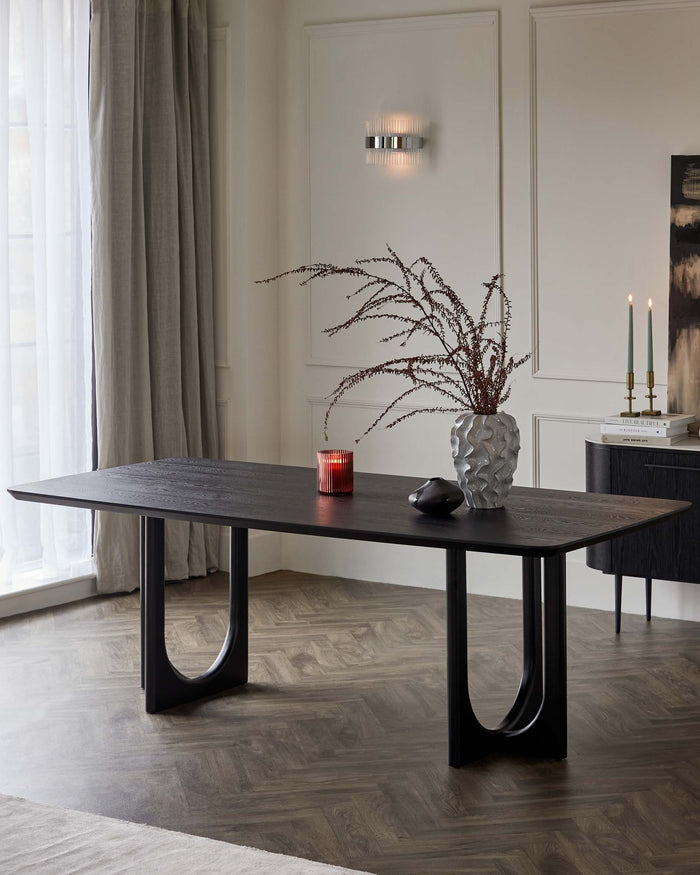
A sculptural dining table can help define your dining area within an open-plan layout, creating a clear focal point without interrupting the flow of the space.
Common Dining Table Buying Mistakes
Avoid:
Buying before measuring your room.
Forgetting to allow space around the table.
Choosing style over practicality.
Ignoring chair and bench clearance.
Selecting a table that's larger than your lifestyle requires.
Forgetting to consider future entertaining.
Taking a little extra time to plan your space will help ensure your dining table feels just as practical in years to come as it does on the day it arrives.

Dining Table Buying Checklist
Before making your decision, ask yourself:
✔ Have I measured my room?
✔ Is there enough space to move comfortably around the table?
✔ Have I chosen the right shape for my layout?
✔ Does the material suit my lifestyle?
✔ Will everyone have enough seating space?
✔ Will my dining chairs or bench fit comfortably?
✔ Will this table continue to work as my needs change?
Frequently Asked Questions
What size dining table do I need?
The right size depends on both your room dimensions and how many people you want to seat. As a guide, allow approximately 60cm of table space per person and around 90cm of clearance around the outside of the table.
What is the standard height of a dining table?
Most dining tables measure between 72–76cm high, making them suitable for standard dining chairs and dining benches.
How much space should you leave around a dining table?
Ideally, allow around 90cm between the table and surrounding walls or furniture. In smaller rooms, 75cm may still provide comfortable access.
How many people can a round dining table seat?
This depends on the table diameter. A 120cm round table comfortably seats four people, while a 150cm round table is generally suitable for six.
Are ceramic dining tables durable?
Yes. Ceramic dining tables are highly resistant to scratches, heat and everyday wear, making them an excellent choice for busy homes.
Should I buy an extending dining table?
If you regularly entertain but don't need a large dining table every day, an extending dining table offers the flexibility to adapt your space when needed.
Final Thoughts
The right dining table doesn't simply fill a space - it shapes the way you live within it.
By choosing a table that's thoughtfully proportioned, suited to your lifestyle and designed to complement the rest of your home, you'll create a dining space that's as practical as it is beautiful.
Because the best dining tables aren't just where meals are shared. They're where everyday moments become lasting memories.