Skip to content
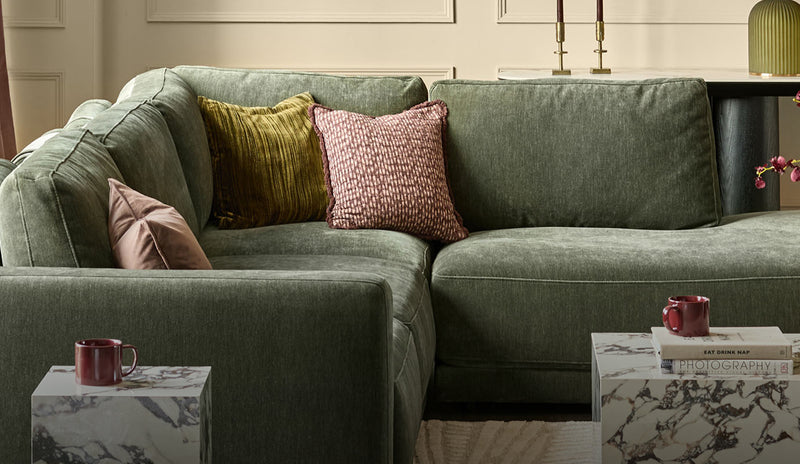


A sofa is one of the hardest-working pieces of furniture in your home. From quiet evenings and family film nights to entertaining guests and everyday relaxation, it's a place that's designed to be lived in.
So it's only natural to ask: how long should a sofa actually last?
The answer depends on far more than age alone. The quality of the frame, the construction of the cushions, the upholstery you choose and how well the sofa is cared for all influence how it performs over time.
The good news is that a well-made sofa shouldn't need replacing every few years. With thoughtful design, quality materials and regular care, it can remain comfortable and beautiful for many years to come.
What This Guide Covers
- How long a sofa should last
- The anatomy of a sofa
- What affects a sofa's lifespan
- How long different sofa materials last
- How to make your sofa last longer
- Repairing vs replacing a sofa
- Choosing a sofa built to last
- Frequently asked questions
The Anatomy of a Sofa
A sofa isn't one single component.
It's made up of several carefully engineered layers, each with its own role in comfort, durability and longevity.
These include:
- The frame
- The suspension system
- The seat and back cushions
- The upholstery
- The legs and feet
Each part naturally ages at a different rate, which is why many quality sofas continue to provide excellent support long after individual components such as cushions have softened or upholstery has begun to show signs of everyday use.
Understanding how these elements work together makes it much easier to recognise genuine quality when choosing a sofa.

The Average Lifespan of a Sofa
The lifespan of a sofa depends largely on how it's built.
A lower-cost sofa constructed with particleboard frames and low-density foam may only remain comfortable for around 3–5 years before the frame loosens, cushions lose their shape and fabrics begin to wear.
A well-constructed sofa, built using solid hardwood frames, supportive suspension systems and high-quality upholstery, can comfortably last 10–15 years or more, particularly when cared for properly.
Rather than thinking about the lifespan of the sofa as a whole, it helps to think about each component individually.
| Sofa Component | Typical Lifespan |
|---|---|
| Hardwood frame | 15–25+ years |
| Suspension | 10–20 years |
| Seat cushions | 8–10 years |
| Upholstery | 5–15 years depending on material and use |
At Danetti, every sofa is backed by a 10-year guarantee, reflecting the quality of the construction as well as the confidence we have in the materials we use.
What Affects How Long a Sofa Lasts?
Several factors determine how well a sofa stands the test of time.
Frame Construction
The frame is the foundation of every sofa.
Solid hardwood frames, such as oak or beech, provide exceptional strength and stability, while lower-quality particleboard or softwood frames are generally more susceptible to movement and wear over time.
Cushion Construction
Supportive, high-density foam and pocket-sprung seat cushions retain their comfort and shape significantly longer than lower-density alternatives.
Well-designed cushions should recover naturally after use rather than remaining permanently compressed.
Upholstery
The fabric you choose also plays an important role.
Performance fabrics, tightly woven textiles and quality leather all offer excellent durability for everyday living, while more delicate materials may require greater care.
If you're deciding between upholstery options, our guide to choosing between leather and fabric sofas can help you find the best fit for your home.
Everyday Living
Lifestyle has just as much influence as construction.
Busy family homes, pets, direct sunlight and frequent use will naturally place greater demands on your sofa than a rarely used formal sitting room.
The key isn't avoiding everyday life - it's choosing a sofa that's designed for it.

How Long Do Different Sofa Materials Last?
Different upholstery materials age in different ways.
Fabric Sofas
Modern woven fabrics are designed to balance softness with durability.
With regular vacuuming and prompt cleaning of spills, quality fabric sofas can continue looking beautiful for many years.
Velvet Sofas
Velvet naturally develops subtle shading, often referred to as pressure marks, as the pile changes direction through everyday use.
This is part of the character of velvet rather than a fault and can usually be refreshed with gentle brushing.
Leather Sofas
Leather often develops even more character over time.
Rather than wearing out quickly, quality leather gradually softens and develops a rich patina when cared for correctly. Regular conditioning helps maintain suppleness and prevents the material from drying out.
Bouclé and Textured Fabrics
Textured upholstery introduces warmth and depth to contemporary interiors.
Regular vacuuming helps prevent dust collecting within the fibres, while gentle cleaning keeps the fabric looking fresh.
How to Make Your Sofa Last Longer
A little regular maintenance can significantly extend the life of your sofa.
Rotate Cushions
Rotating seat and back cushions regularly helps distribute wear more evenly.
Vacuum Weekly
Removing dust and grit prevents fibres from gradually wearing through everyday use.
Deal With Spills Quickly
Prompt cleaning helps prevent stains from settling into upholstery.
Keep It Away From Direct Sunlight
Prolonged UV exposure can gradually fade fabrics and dry out leather.
Avoid Standing on Your Sofa
Standing or jumping places unnecessary strain on the frame, suspension and cushions, reducing their long-term performance.
How Often Should You Maintain Your Sofa?
| Task | Recommended Frequency |
|---|---|
| Vacuum upholstery | Weekly |
| Rotate cushions | Monthly |
| Spot clean spills | Immediately |
| Deep clean upholstery | Every 6–12 months |
| Check feet and fixings | Annually |
Consistent maintenance is far more effective than occasional intensive cleaning.
Where You Position Your Sofa Matters
The environment around your sofa can influence how well it ages.
Where possible, avoid placing sofas:
- In prolonged direct sunlight
- Beside radiators or fireplaces
- Close to heating vents
- In excessively damp rooms
Reducing prolonged exposure to heat and UV light helps fabrics retain their colour while preventing leather from drying out prematurely.

Repair or Replace?
Not every ageing sofa needs replacing.
Many issues can be repaired, particularly on well-made sofas.
You may be able to:
- Replace cushion fillings
- Reupholster the fabric
- Repair or replace sofa feet
- Tighten joints or repair minor frame damage
However, if the frame has become unstable, the suspension has failed or structural damage is extensive, replacing the sofa is often the more practical long-term solution.
A Sofa Should Age Gracefully
Quality furniture isn't designed to remain completely unchanged.
Over time, fabrics naturally soften, cushions gently settle and leather develops a rich patina that's unique to your home.
These subtle changes are part of what gives a well-loved sofa its character.
The aim isn't to stop a sofa from ageing altogether - it's to help it age beautifully.
At Danetti, we see longevity not simply as durability, but as furniture that continues to look and feel better the longer it's part of your everyday life.
Choosing a Sofa Built to Last
If you're investing in a new sofa, it's worth looking beyond first impressions.
Choose a sofa with:
- A solid hardwood frame
- High-density foam or pocket-sprung cushions
- Durable upholstery
- Quality craftsmanship
- A timeless design you'll continue to love for years to come
A well-built sofa may cost more initially, but replacing cheaper alternatives every few years often proves more expensive in the long run.
Quality is an investment in everyday living.
Our Design Perspective
At Danetti, we believe a sofa should be designed around real life.
Every detail - from supportive seat construction to carefully selected upholstery and durable hardwood frames - is chosen to create furniture that doesn't simply look beautiful on the day it arrives, but continues supporting everyday life for years to come.
Because the best sofas aren't designed to follow trends. They're designed to become part of your home.

Frequently Asked Questions
How long should a fabric sofa last?
A quality fabric sofa can last 10–15 years or more with regular care, although this depends on the upholstery, construction and how frequently it's used.
How long should a leather sofa last?
Well-maintained leather sofas often last even longer, gradually developing a natural patina while retaining their strength and character.
How do you know when it's time to replace a sofa?
Signs include an unstable frame, sagging seats, broken suspension, cushions that no longer recover and upholstery that's excessively worn or damaged.
Can sofa cushions be replaced?
In many cases, yes. Replacing cushion fillings is often an effective way to refresh a well-built sofa without replacing the entire piece.
Is it worth repairing a sofa?
If the frame remains structurally sound, repairs such as new cushion fillings or reupholstery can significantly extend the life of a quality sofa.
Does sitting in the same place wear out a sofa?
Yes. Regularly rotating cushions helps distribute wear more evenly and maintain comfort over time.
Does sunlight damage sofas?
Prolonged direct sunlight can gradually fade fabrics and dry out leather, so positioning your sofa away from strong sunlight helps preserve its appearance.
Final Thoughts
A well-designed sofa should do far more than simply look beautiful on the day it arrives.
It should continue supporting family gatherings, quiet evenings and changing lifestyles for many years to come.
By investing in quality construction, caring for your sofa regularly and choosing materials that suit the way you live, you'll enjoy a piece of furniture that continues to evolve beautifully over time.
Because the best sofas aren't designed to be replaced every few years - they're designed to be lived with.