Skip to content


Designing a home is one of the most rewarding parts of making a space your own. It's an opportunity to reflect your personality, create somewhere that works for everyday life and build a home you'll continue to enjoy for years to come.
But great interiors rarely happen by accident.
Most decorating mistakes aren't the result of poor taste. They happen because decisions are made one piece at a time rather than considering how the room works as a whole. The right sofa can feel too large in the wrong space, beautiful lighting can lose its impact if it's the only light source, and even carefully chosen furniture can feel disconnected if everything matches too closely.
The good news is that these are all easy mistakes to avoid with a little planning.
In this guide, we'll explore some of the most common interior design mistakes—and, more importantly, how to avoid them.
What This Guide Covers
- Measuring your space properly
- Investing in quality furniture
- Making the most of natural light
- Creating balance through colour and materials
- Layering lighting
- Designing around how you live
- Planning storage
- Choosing furniture at the right scale
- Creating better flow throughout your home
- Frequently asked questions
Good Design Starts With Planning
One of the biggest misconceptions about interior design is that it's all about choosing beautiful furniture.
In reality, successful interiors begin long before you decide on colours or materials. They start with understanding how a room will be used, how people move through it and how each piece will work together.
Thinking about the room as a complete composition—not simply a collection of individual purchases—helps create spaces that feel balanced, practical and timeless.
1. Not Measuring Before You Buy
Few decorating mistakes are more frustrating than discovering your new furniture won't fit the room - or even make it through the front door.
Before buying any large piece, measure:
- The room itself
- Doorways and hallways
- Staircases and lifts
- Walkways around the furniture
- The space needed to open doors and drawers
- Chair pull-out space where appropriate
For larger pieces such as dining tables, sofas or beds, mark the furniture's footprint on the floor using masking tape. Seeing the dimensions within the room often provides a much clearer understanding of scale than measurements alone.
Designer Tip: Measure twice - once for where the furniture will sit, and once for the journey it needs to take to get there.

2. Investing in the Pieces That Matter Most
Every home has furniture that's used every single day.
Your sofa supports family evenings. Your dining table hosts celebrations and everyday meals. Your bed influences how well you sleep each night.
These are the pieces worth investing in.
Rather than stretching your budget evenly across every item, prioritise quality where it has the greatest impact. Well-made furniture often lasts significantly longer, performs better and remains relevant long after short-lived trends have passed.
Accessories, artwork and decorative pieces can evolve over time, but investing in the furniture that forms the foundation of your home will always provide the greatest long-term value.
Designer Tip: Build your room around timeless furniture, then update the look with cushions, rugs and accessories as your style evolves.
3. Ignoring Natural Light
Light changes everything.
The same paint colour, fabric or wood finish can look completely different depending on the direction your room faces and the time of day.
North-facing rooms often benefit from warmer tones and tactile materials that introduce warmth, while brighter south-facing spaces can comfortably accommodate cooler colours and deeper shades.
Before making any final decisions, look at samples in both daylight and artificial light to see how they change throughout the day.
Designer Tip: Always test materials where they'll actually live - not under showroom lighting.
4. Matching Everything Too Closely
One of the quickest ways to make a room feel flat is to match everything perfectly.
Beautiful interiors are built on balance rather than uniformity.
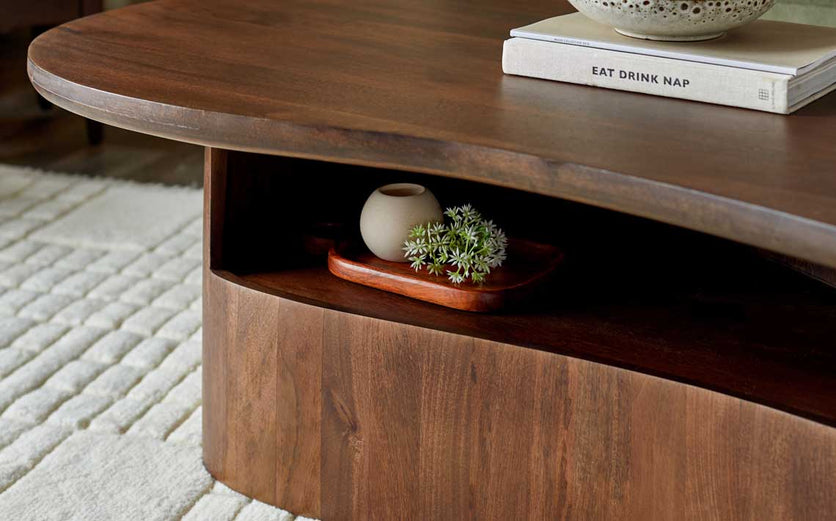
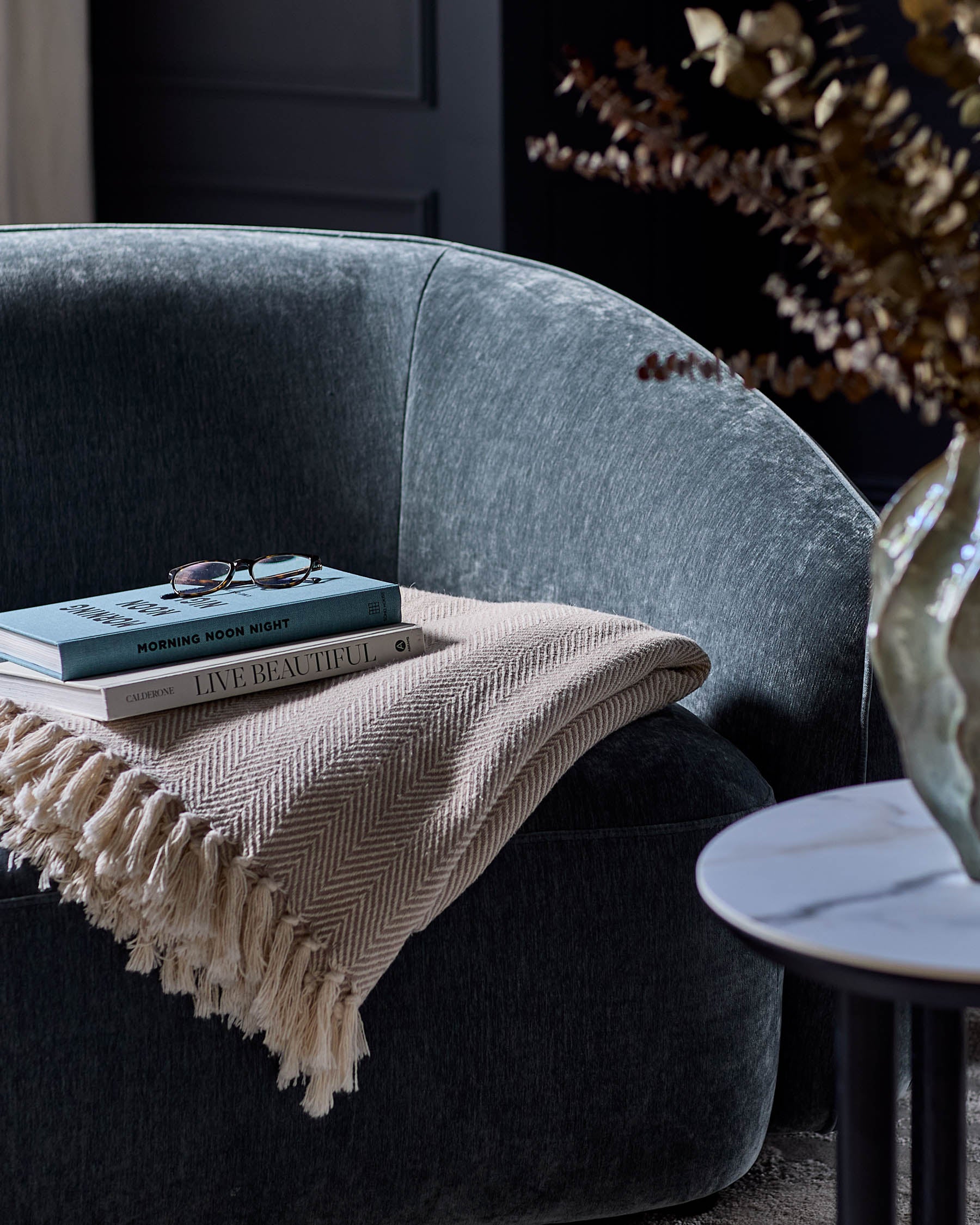
Instead of choosing furniture from a single collection, introduce contrast through different materials, finishes and textures. Combining wood with ceramic, glass with metal or velvet with woven fabrics creates depth while keeping the room feeling curated rather than overly coordinated.
Aim for a consistent colour palette rather than identical furniture.
Designer Tip: Choose one dominant material, one contrasting material and one accent finish to create a layered, balanced interior.

5. Relying on One Light Source
Lighting shouldn't stop with the ceiling.
Rooms feel far more inviting when lighting is layered to support different activities and moods.
A well-designed lighting scheme typically combines:
- Ambient lighting for overall illumination.
- Task lighting for reading, working or cooking.
- Accent lighting to highlight artwork, shelving or architectural features.
Table lamps, floor lamps and dimmable lighting all help create warmth and flexibility throughout the day.
Designer Tip: If you only have one ceiling light, adding just one table lamp can completely transform the atmosphere of a room.
6. Rushing Design Decisions
It's tempting to furnish an entire room at once, particularly after moving home.
However, the most thoughtfully designed interiors usually evolve over time.
Living in the space helps you understand:
- How you naturally use the room.
- Where storage is needed.
- Which seating arrangements work best.
- How the light changes throughout the day.
Allowing your home to develop gradually often results in more considered decisions and a space that genuinely reflects the way you live.
Designer Tip: Leave some empty space. A room rarely feels unfinished because it has too little furniture - but it often feels overcrowded because it has too much.

7. Forgetting About Storage
Clutter rarely appears because people own too much.
More often, it appears because everyday items simply don't have a home.
Storage should be considered as part of the overall design rather than added as an afterthought.
Sideboards, media units, shelving and ottoman beds all help keep everyday essentials organised while contributing to the overall aesthetic of the room.
Beautiful spaces work because they're practical as well as stylish.
Designer Tip: Design for the items you use every day - not just the ones you want on display.
8. Choosing Furniture at the Wrong Scale
Furniture should always feel proportionate to the room around it.
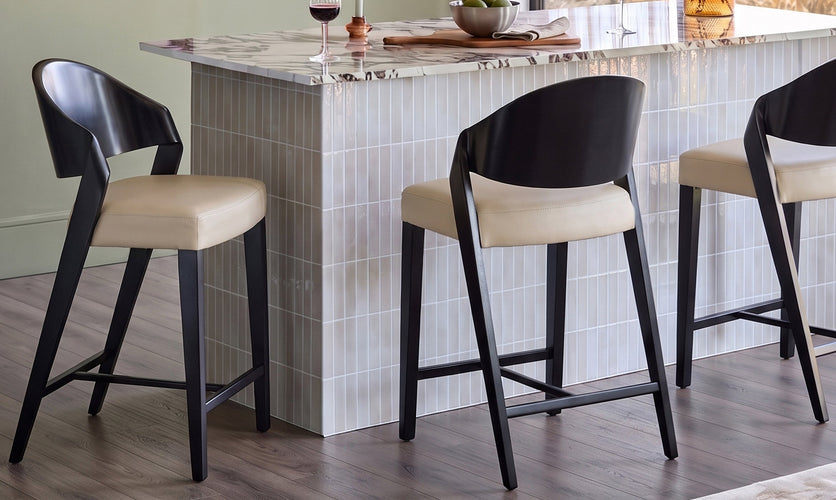
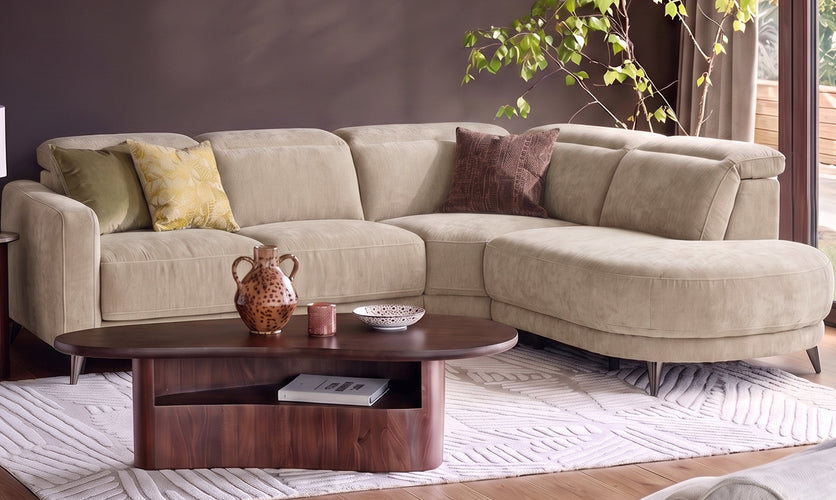
A large corner sofa can overwhelm a compact living room, while small furniture scattered around a spacious room can make it feel disconnected.
The same principle applies throughout the home.
- Rugs should sit comfortably beneath furniture rather than floating independently.
- Coffee tables should feel proportionate to the sofa.
- Dining tables should leave comfortable circulation space.
- Beds should allow enough room for bedside tables and walkways.
Looking at the room as a whole rather than focusing on individual pieces helps create a more harmonious layout.
Designer Tip: Before buying, stand in the doorway and imagine how you'll move through the room every day. Good interiors feel effortless to navigate.

Our Design Perspective
At Danetti, we believe the most successful interiors aren't built around individual pieces of furniture - they're built around how people live.
Every room works best when comfort, practicality and considered design come together. That's why we encourage designing the room as a whole rather than making isolated furniture decisions.
The goal isn't to create a space that looks perfect for a photograph. It's to create one that feels effortless to live in every day.
Frequently Asked Questions
What is the biggest interior design mistake?
One of the most common mistakes is buying furniture before measuring the room. Understanding scale and layout first helps avoid expensive mistakes and creates a more balanced space.
Should all my furniture match?
No. Coordinating colours and materials creates a much more interesting interior than matching every piece exactly.
How do you make a room feel bigger?
Choose furniture that's proportionate to the space, leave clear walkways, use layered lighting and avoid overcrowding the room with too many small pieces.
Why does my room feel cluttered?
Rooms often feel cluttered when there isn't enough concealed storage or when too many decorative items compete for attention.
Should you decorate an entire room at once?
Not necessarily. Allowing a room to evolve over time often leads to more thoughtful decisions and a home that's better suited to your lifestyle.
How do interior designers make rooms feel cohesive?
Rather than matching everything, designers create consistency through colour palettes, repeated materials, balanced proportions and layered textures.
Final Thoughts
The best interiors rarely come together overnight.
They're shaped through thoughtful planning, carefully chosen furniture and an understanding of how each piece contributes to the room as a whole.
Rather than chasing trends or trying to perfect every room immediately, focus on creating spaces that support the way you live. Measure carefully, invest in quality where it matters and allow your home to evolve naturally over time.
Because great interior design isn't about following rules - it's about understanding the principles that help your home feel balanced, comfortable and unmistakably yours.