Skip to content


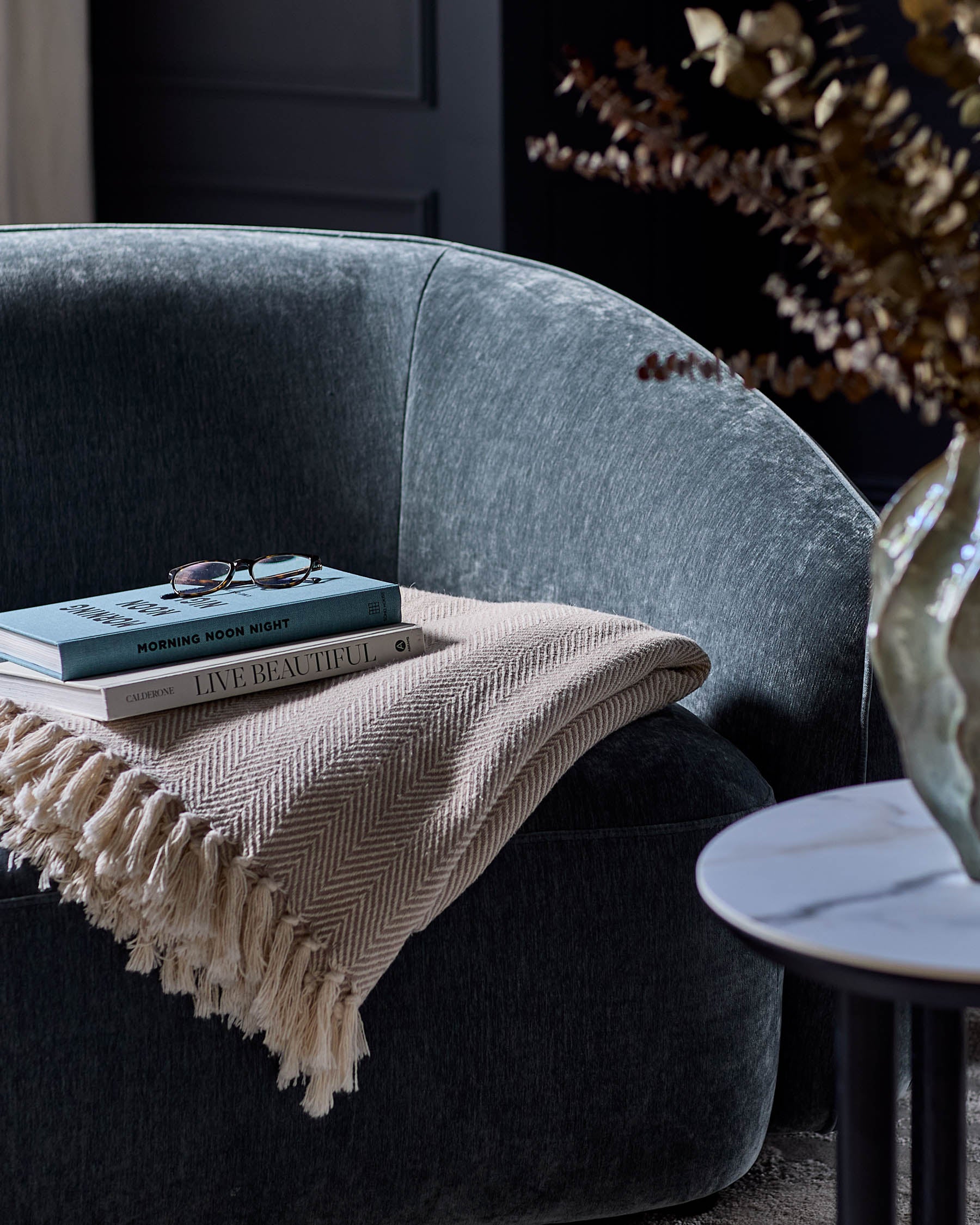
Minimalism has dominated interiors for years, celebrating clean lines, pared-back palettes and carefully edited spaces. But increasingly, homeowners are embracing a more expressive approach to decorating - one that celebrates colour, texture and personality.
That's where maximalism comes in.
Modern maximalist interior design isn't about filling every surface or following every trend. Instead, it's about thoughtfully layering furniture, materials and meaningful objects to create a home that feels rich in character and uniquely yours.
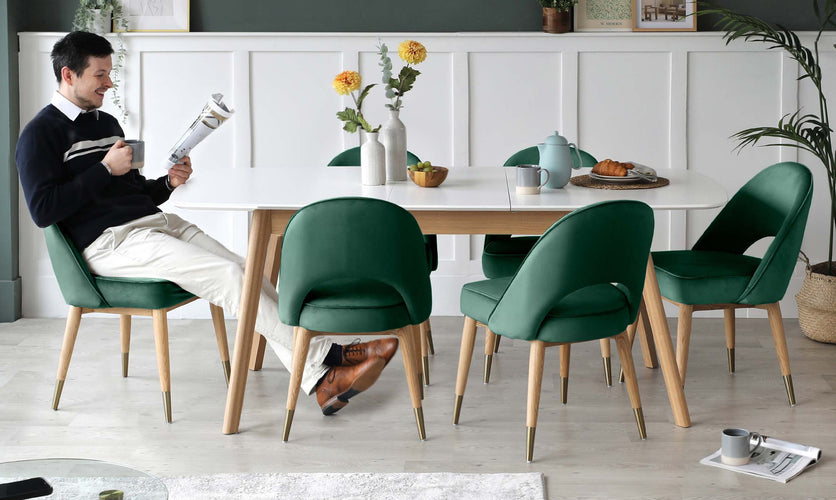
Whether you're drawn to jewel-toned velvet dining chairs, sculptural coffee tables or richly textured bedrooms, this guide will show you how to bring maximalist décor into your home with confidence.
What This Guide Covers
- What is maximalist interior design?
- Why maximalism is trending
- Modern maximalism vs clutter
- How to decorate in a maximalist style
- Choosing statement furniture
- Layering colour with confidence
- Mixing materials and textures
- Styling accessories with intention
- Maximalist room ideas
- Common decorating mistakes
- FAQs
What Is Maximalist Interior Design?
Maximalism is often described as 'more is more', but the reality is far more considered.
Rather than filling a room with as much as possible, maximalist interior design is about creating layers of interest through colour, texture, pattern and carefully chosen furniture. Every piece has a purpose, whether it's a sculptural dining table, a velvet accent chair, or artwork collected over time.
Unlike minimalist interiors, which focus on restraint, maximalist homes celebrate individuality. They're designed to feel lived in rather than staged, combining different materials, finishes and personal touches to create spaces full of warmth and character.
The result isn't clutter - it's a home that tells your story.
Why Maximalism Is Trending
As our homes have become places to work, relax, entertain and spend more time in, many people are moving away from interiors that feel purely decorative towards spaces that feel more personal.
Modern maximalism reflects this shift.
Rather than following one strict style, it encourages homeowners to layer colours they love, display meaningful objects and invest in furniture that makes a statement.
It's also a natural response to years of neutral interiors. Richer colours, sculptural shapes and tactile materials are returning, bringing depth and personality back into our homes.
Modern Maximalism vs Clutter: What's the Difference?
One of the biggest misconceptions about maximalist décor is that it's simply about owning more.
In reality, successful maximalism is highly curated.
Clutter | Modern Maximalism |
Random collections | Carefully curated pieces |
No colour direction | Repeated colour palette |
Multiple competing focal points | One or two statement features |
Filling every surface | Layering with purpose |
Buying everything at once | Building a collection over time |
The difference lies in intention. Every colour, texture and object should feel connected to the wider room, creating visual richness without overwhelming the space.
1. Start with Statement Furniture
The easiest way to introduce maximalism isn't through accessories - it's through furniture.
Rather than filling a room with smaller decorative pieces, choose one or two designs that naturally draw the eye.
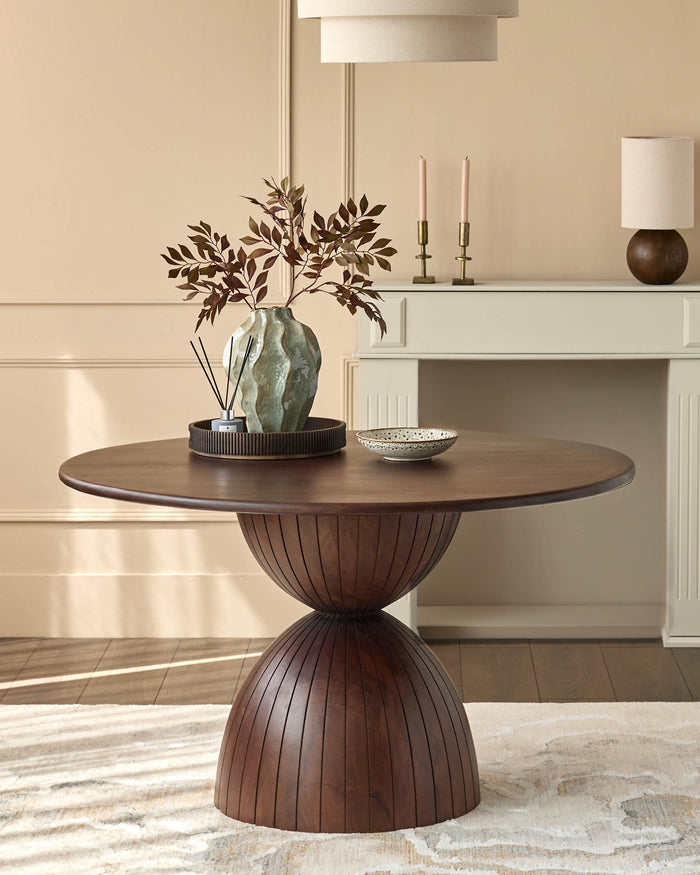
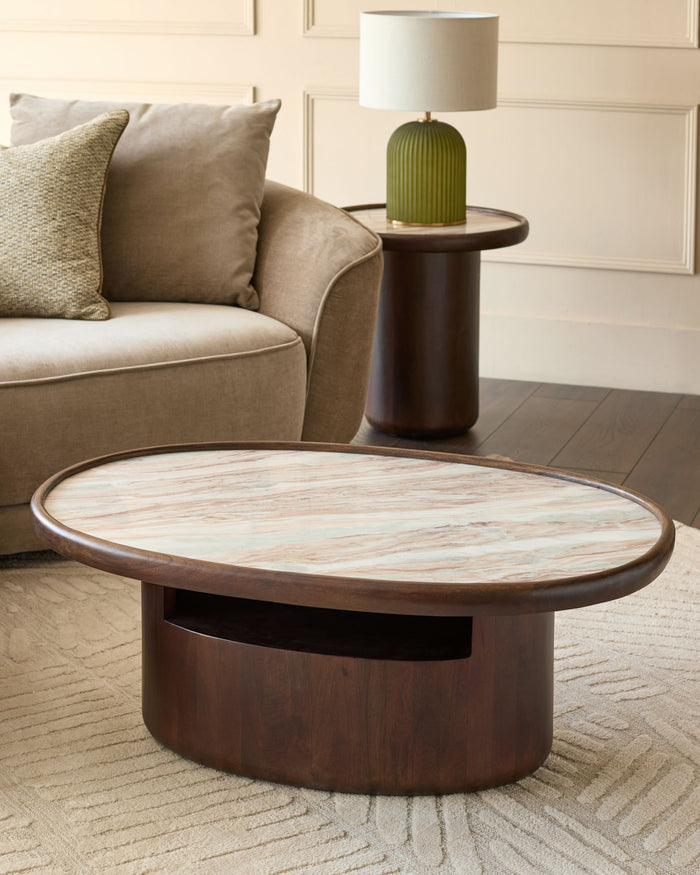
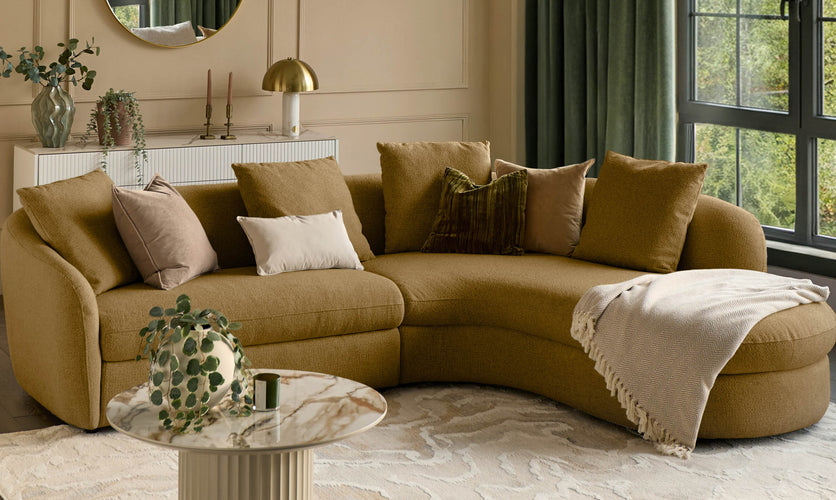
A sculptural dining table, a richly upholstered velvet bed, or a curved sofa immediately creates impact without needing excessive styling around it.
Statement furniture gives the room a focal point and provides the foundation for everything else you add.
When choosing these pieces, think about shape as much as colour. Curved silhouettes, bold proportions and interesting material combinations all help create visual interest before you've even introduced artwork or accessories.

2. Layer Colour with Confidence
Colour is one of the defining characteristics of maximalist interiors, but that doesn't mean every shade needs to compete for attention.
The most successful spaces usually begin with one dominant colour, supported by two or three complementary tones repeated throughout the room.
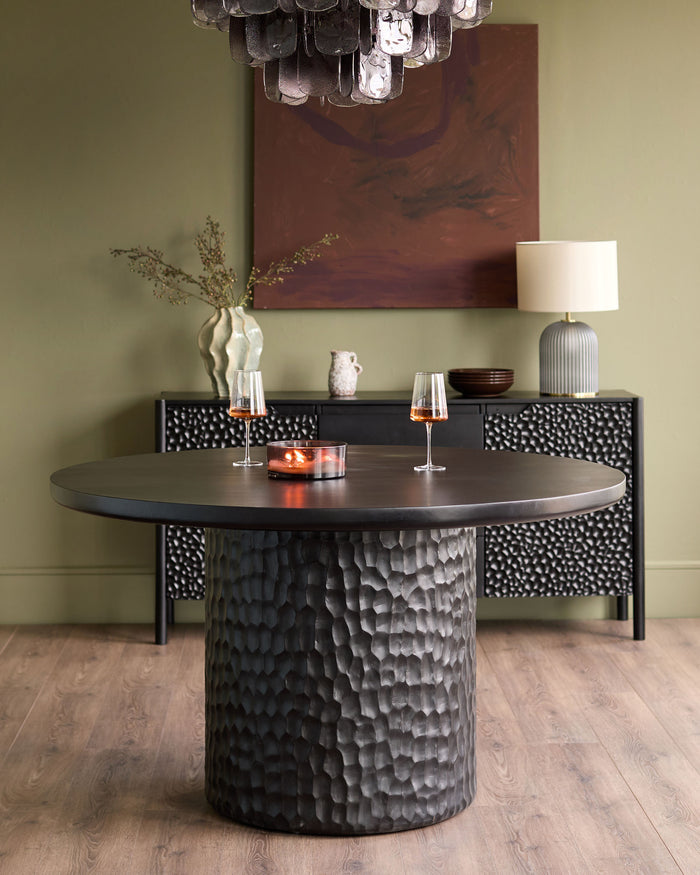
Rich shades such as olive green, plum, burgundy, mocha and warm champagne work particularly well because they add depth while remaining sophisticated enough for everyday living.
Repeating these colours through upholstery, artwork, lighting and accessories helps create rhythm across the room, making even bold palettes feel balanced.
Rather than matching everything exactly, look for colours that echo one another in different ways. A velvet dining chair might pick up the tones found in a piece of artwork, while a cushion or rug quietly repeats those same shades elsewhere in the room.
3. Mix Materials Instead of Matching Everything
Modern maximalism is built on contrast.
Combining different materials creates depth, texture and a more layered aesthetic than relying on a single finish throughout a room.
Think about pairing:
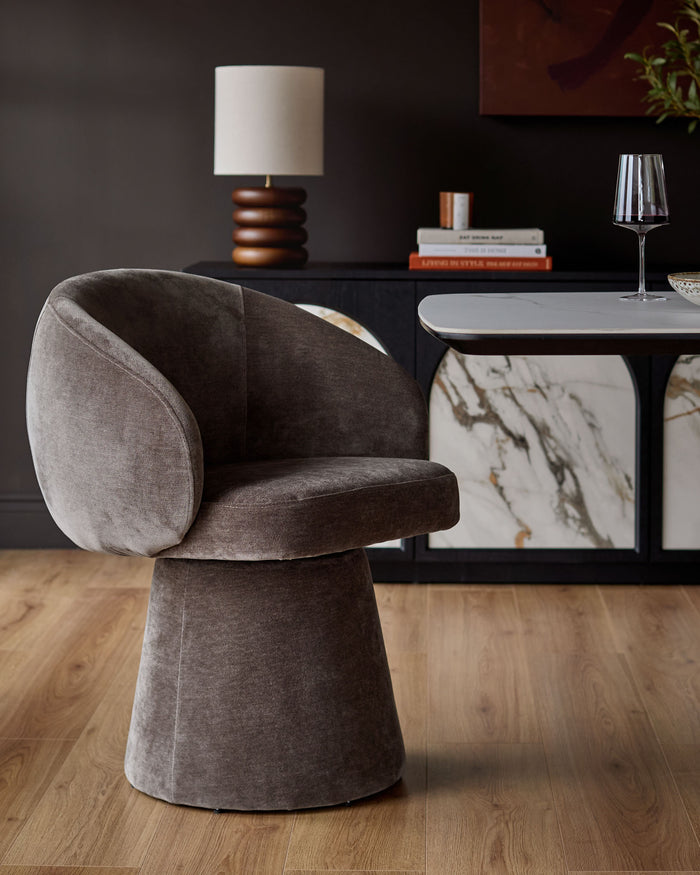
- Velvet with ceramic
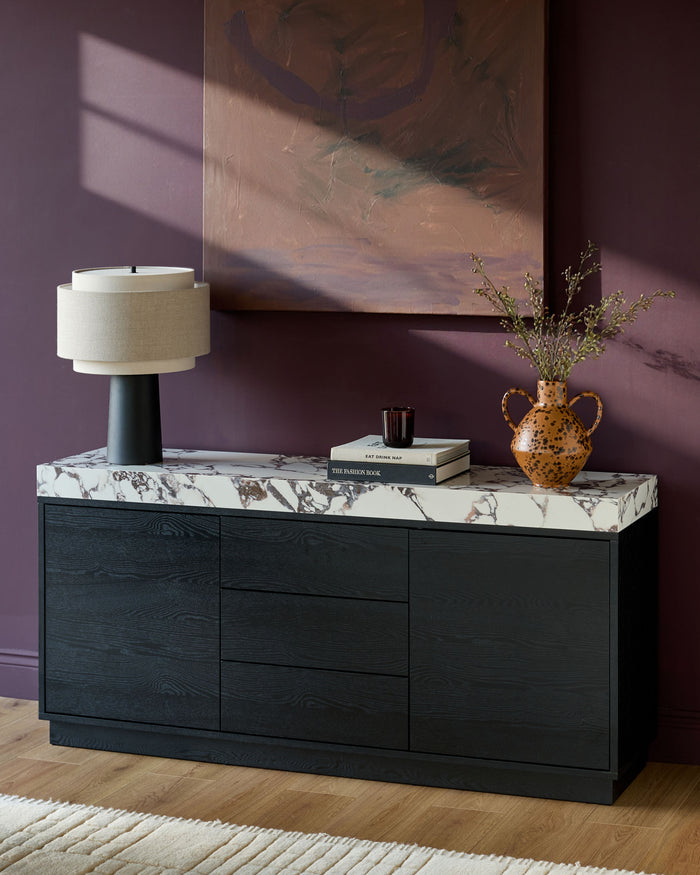
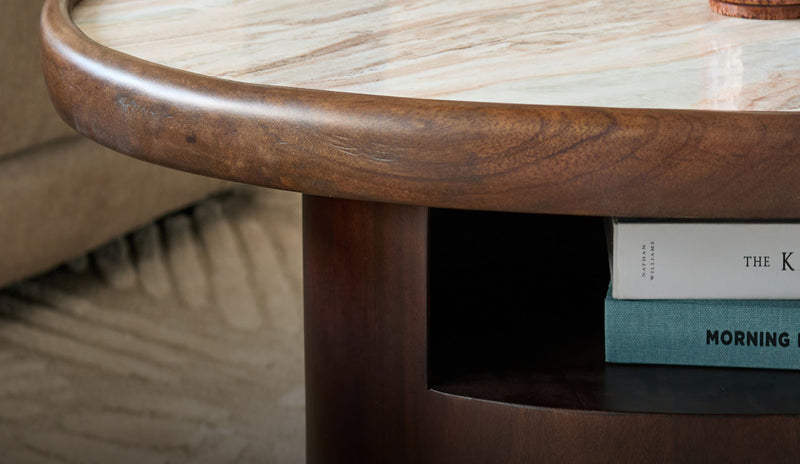
- Marble with dark wood
- Leather with brushed metal
- Bouclé with glass
- Natural timber alongside polished finishes
These combinations introduce subtle variation while helping the room feel collected rather than coordinated.
Instead of trying to make every piece match perfectly, look for materials that complement one another through colour, texture or finish.
The goal is cohesion, not uniformity.
4. Layer Lighting, Art and Accessories
Once your furniture is in place, it's the smaller layers that bring the room to life.
Artwork, mirrors, lighting, books and decorative objects all contribute to the finished look, but the key is choosing pieces that feel intentional rather than filling every available surface.
A table lamp can soften a dining space in the evening, while oversized artwork helps anchor a wall without needing multiple smaller pieces. Layering rugs, cushions and throws introduces additional texture, making the room feel warm and lived in.
Instead of styling every shelf with numerous accessories, group objects together in varying heights and materials. This creates visual interest while allowing each piece room to breathe.
Maximalism is about thoughtful abundance, not visual noise.

5. Let Your Personality Shape the Space
The best maximalist interiors couldn't belong to anyone else.
Rather than recreating a showroom, use your home to showcase the things that matter to you. Favourite books, travel finds, ceramics, framed photographs or collected objects all add character because they carry personal meaning.
Furniture should support those stories rather than compete with them.
When every piece earns its place, your home naturally feels layered, authentic and welcoming.
That's what gives maximalism its warmth.
Maximalist Living Room Ideas
The living room is often the easiest place to embrace maximalism.
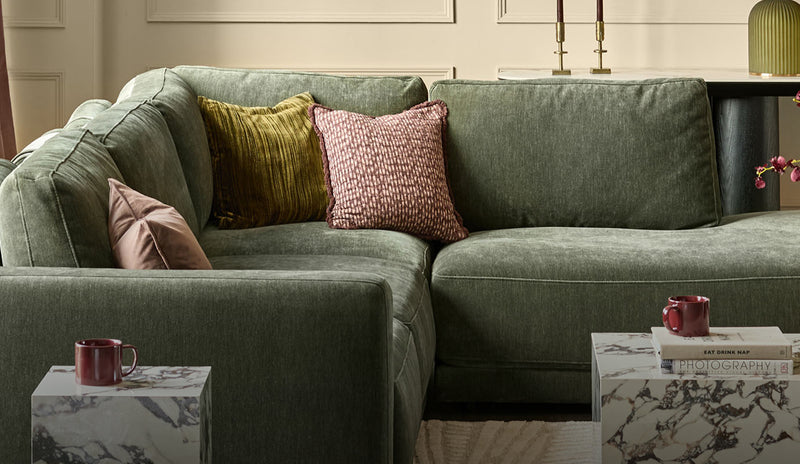
Start with one statement sofa, then build around it through contrasting materials, layered lighting and carefully chosen accessories.
Introduce texture through cushions and throws, combine different finishes on coffee and side tables, and use artwork to reinforce your colour palette.
Rather than relying on symmetry, allow the room to evolve naturally through collected pieces that complement one another.

Maximalist Dining Room Ideas
Dining rooms are perfectly suited to richer colours and more expressive furniture.
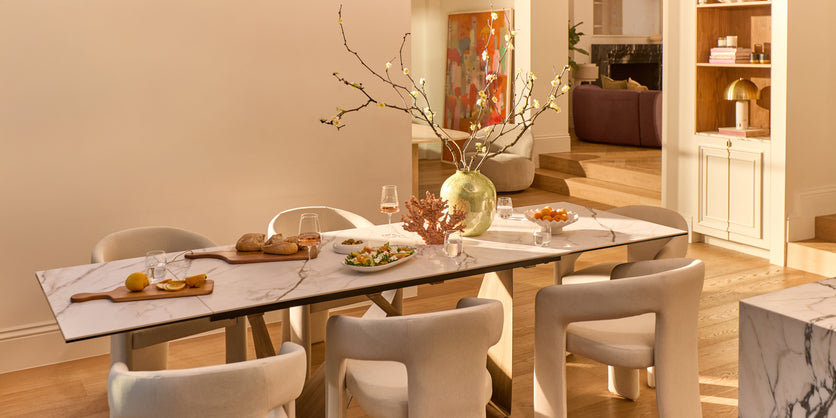
Velvet dining chairs, sculptural dining tables and statement pendant lighting create a strong foundation, while artwork, ceramics and layered table styling add personality.
Repeating materials such as marble, brushed metal or dark wood across different pieces helps the room feel cohesive while still embracing contrast.
Maximalist Bedroom Ideas
Bedrooms benefit from maximalism because layered textures naturally create warmth and comfort.
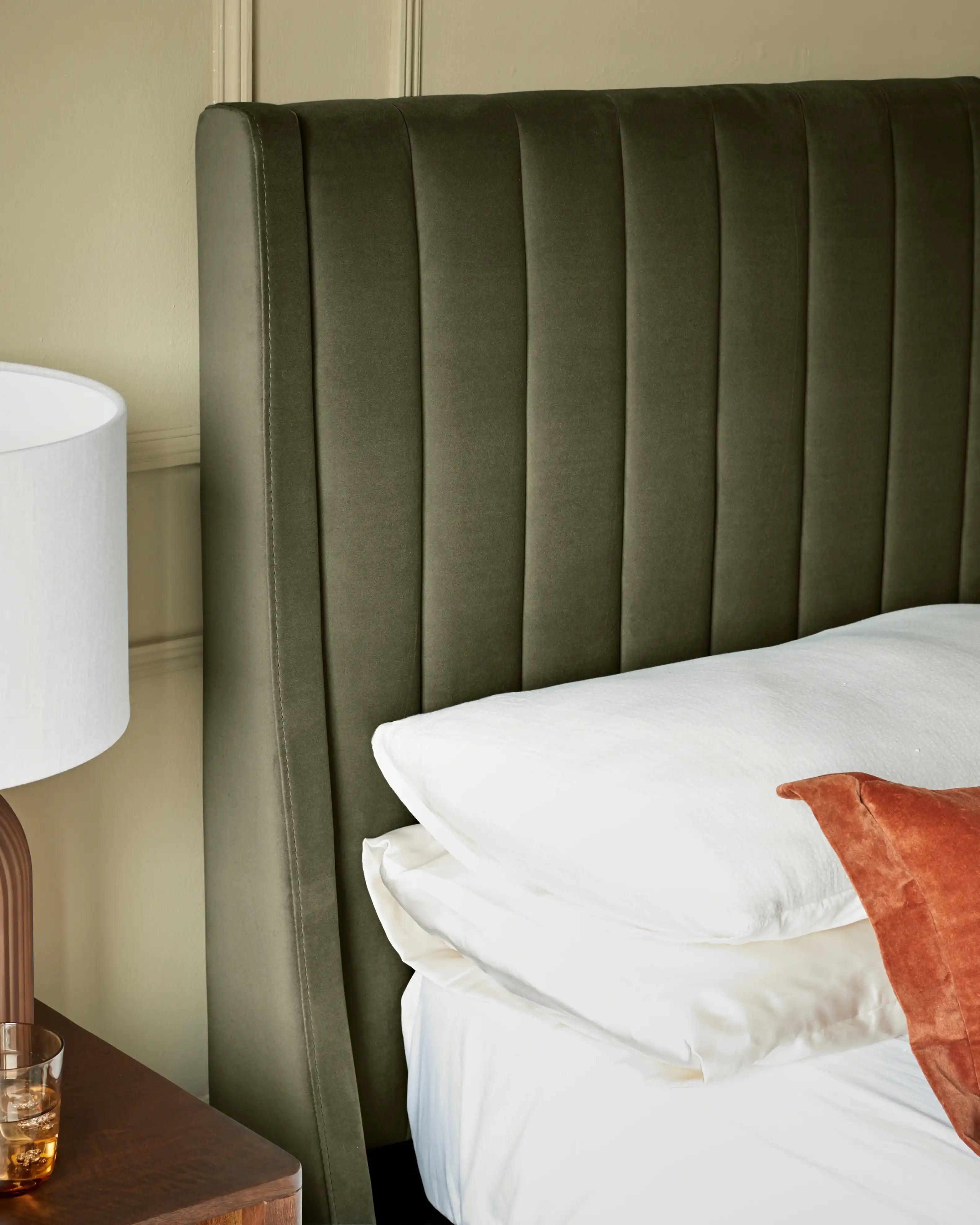
A statement upholstered bed immediately establishes the room's character. From there, build depth through layered bedding, bedside styling, soft lighting and carefully chosen artwork.
Rich colours, tactile fabrics and mixed materials create a bedroom that feels both luxurious and deeply relaxing.
Common Maximalist Decorating Mistakes
Maximalism is carefully curated, so knowing when to stop is just as important as knowing what to add.
Avoid:
- Buying everything at once
- Introducing too many competing focal points
- Ignoring colour repetition
- Matching every piece exactly
- Filling every shelf or surface
- Choosing quantity over quality
The most successful maximalist homes evolve gradually, becoming richer over time rather than overnight.

Maximalist Decorating Checklist
Before adding another layer to your room, ask yourself:
✔ Have I chosen a clear statement piece?
✔ Am I repeating colours throughout the space?
✔ Have I introduced a variety of textures?
✔ Are different materials working together?
✔ Does every accessory contribute something?
✔ Does the room still feel balanced?
If the answer is yes, you're creating a maximalist space that feels expressive rather than overwhelming.
Frequently Asked Questions
What is maximalist interior design?
Maximalist interior design celebrates colour, texture and personality through carefully layered furniture, accessories and meaningful objects.
Is maximalism just clutter?
No. Modern maximalism is curated and intentional, with every piece contributing to the overall composition of the room.
Can maximalism work in a small room?
Absolutely. Choosing statement furniture, repeating colours and editing accessories carefully allows maximalism to work beautifully in smaller spaces.
What colours work best in maximalist interiors?
Deep, saturated colours such as olive green, plum, burgundy, mocha, navy and warm neutrals work particularly well because they add richness while remaining timeless.
Can you mix different furniture styles?
Yes. Mixing styles is part of maximalism, but they should be connected through shared colours, materials or proportions to keep the room feeling cohesive.
How do you make maximalism look expensive?
Focus on quality rather than quantity. Invest in well-designed furniture, layer rich materials and repeat colours throughout the space instead of filling every corner with accessories.
Final Thoughts
Modern maximalism isn't about owning more - it's about choosing better.
By investing in statement furniture, layering colour with confidence and combining materials thoughtfully, you can create a home that's rich in personality without feeling overwhelming.
Because the most memorable interiors aren't built around following trends. They're built around the people who live in them, with every piece earning its place and every room telling a story that's uniquely its own.