Skip to content


Elevating your home doesn't need a full room-by-room renovation. It all, simply, comes down to the details. A handful of well-chosen accessories are the easiest, most affordable way to make each of your rooms feel more defined. Like a lighting setup that adds warmth and mood, a rug that anchors the room – even adding an extra cushion.
By understanding which accessories to add, how to style them, and why they work so effortlessly, you’ll elevate your home with ease. So, here are our eight practical interior styling tips, covering cushions, rugs, mirrors, and lighting:
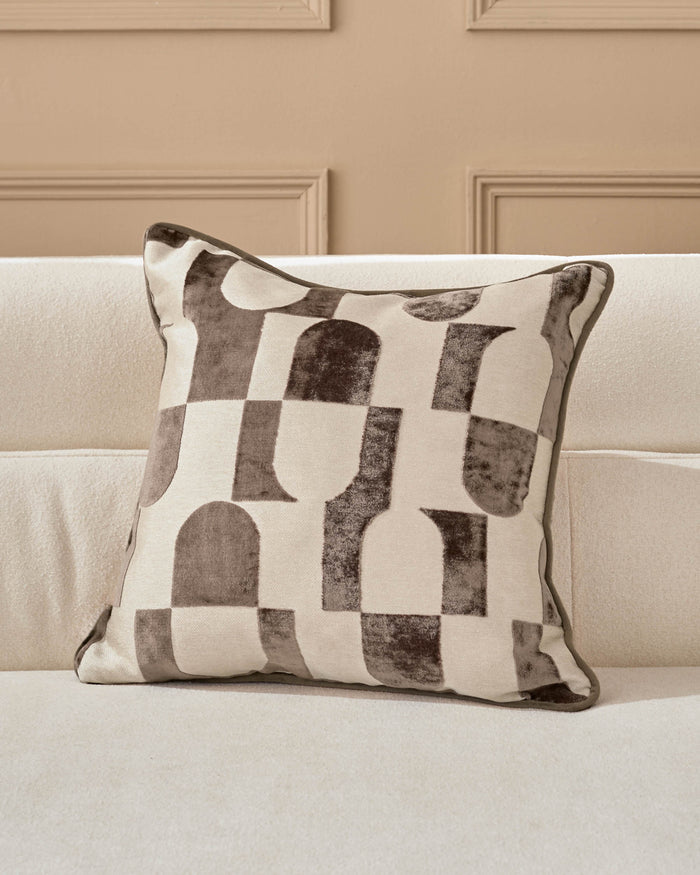
Arrange cushions in odd numbers
Mix patterns with a common colour thread
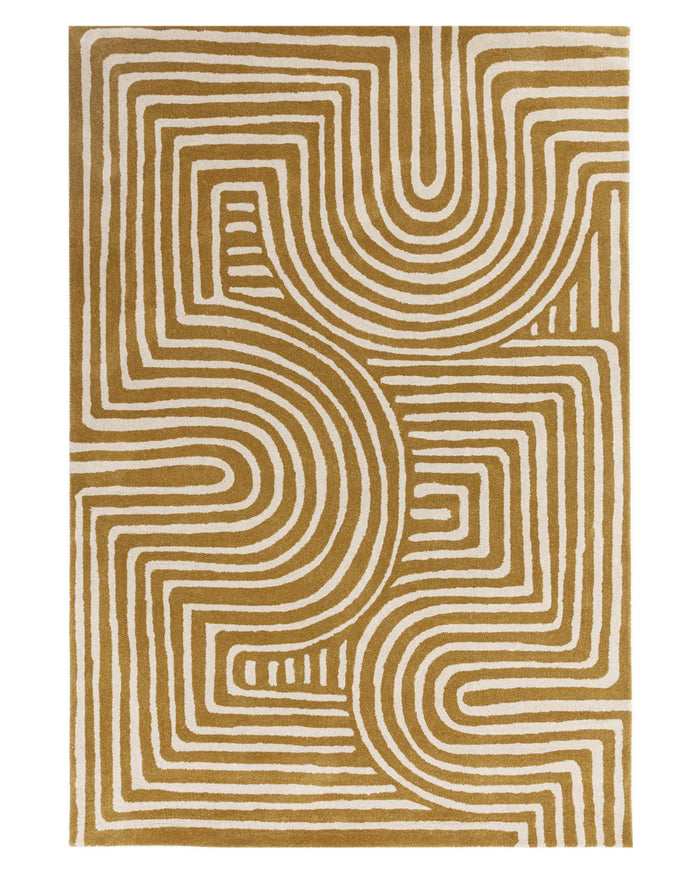
Choose the right rug size for your room
Pair texture and tone across rooms
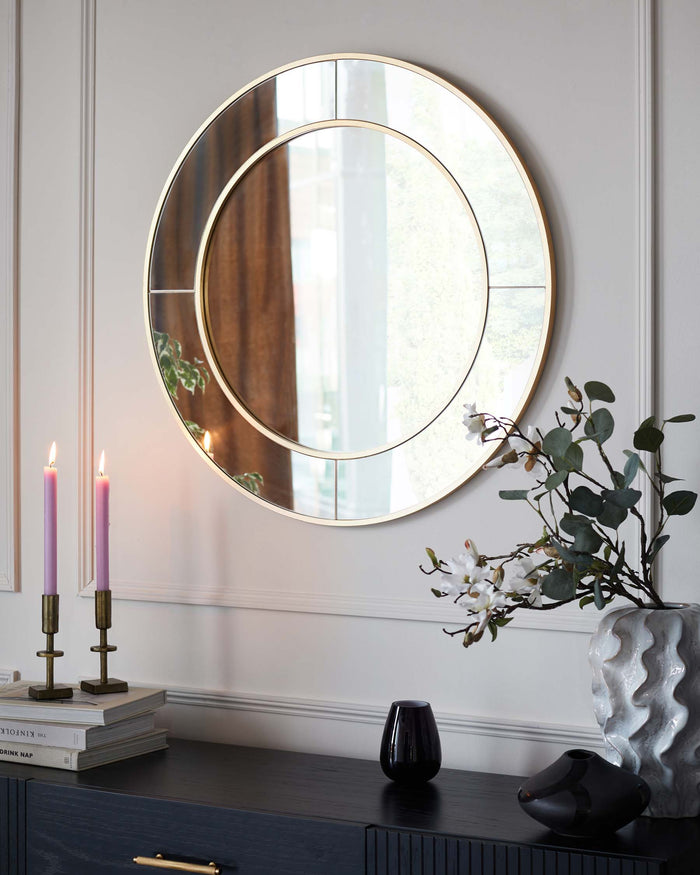
Use mirrors to amplify light and space
Create a mirror gallery wall
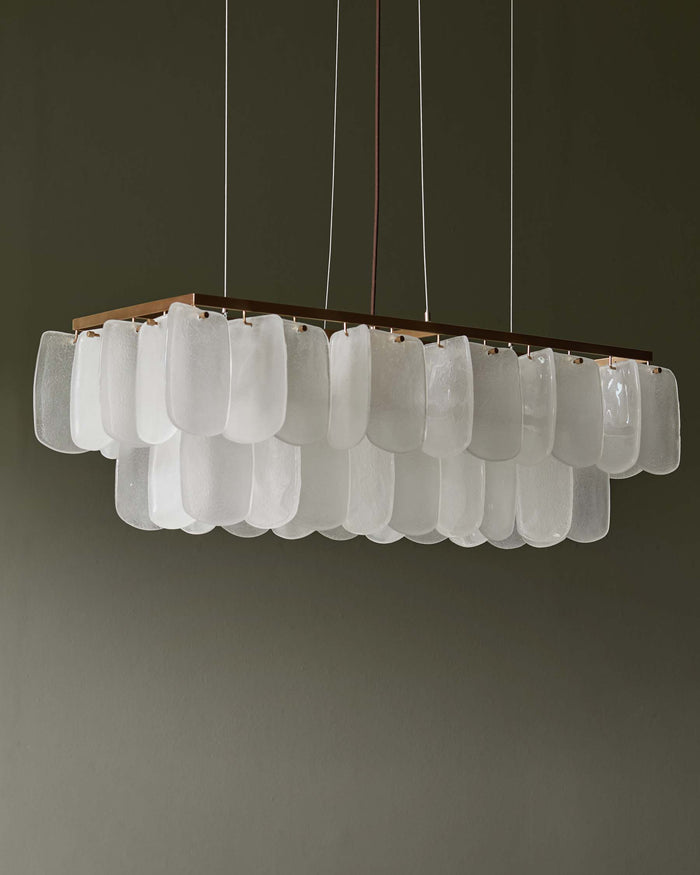
Combine different types of lighting
Choose statement lighting as a focal point
8 Ways to Elevate Your Home with Accessories
1. Arrange Cushions in Odd Numbers
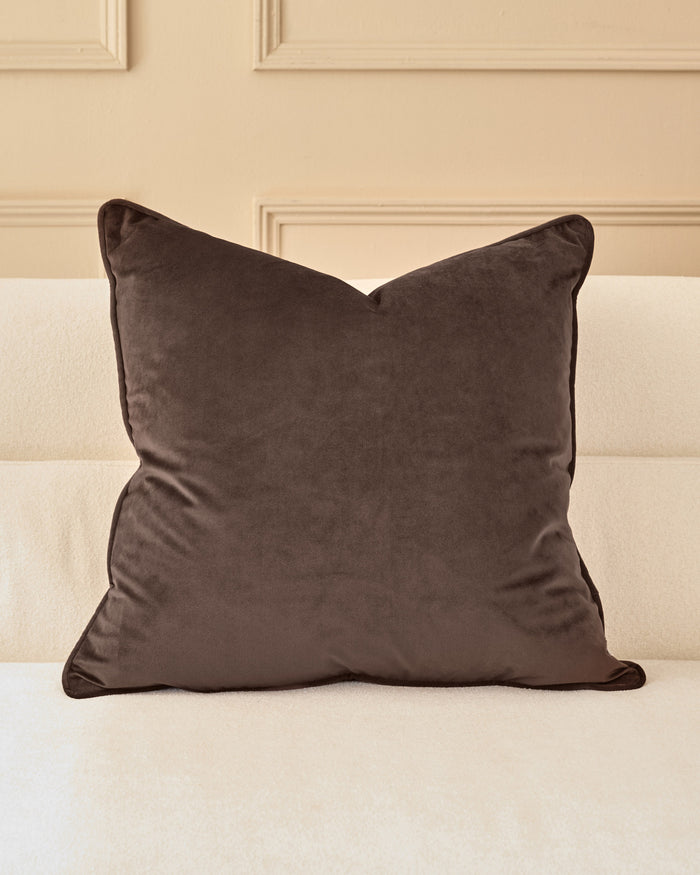
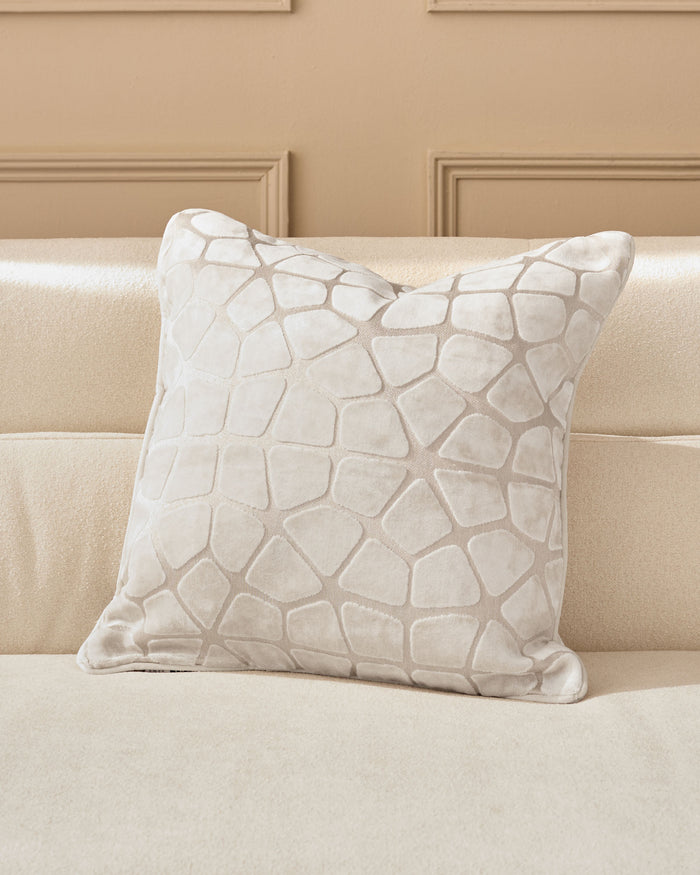
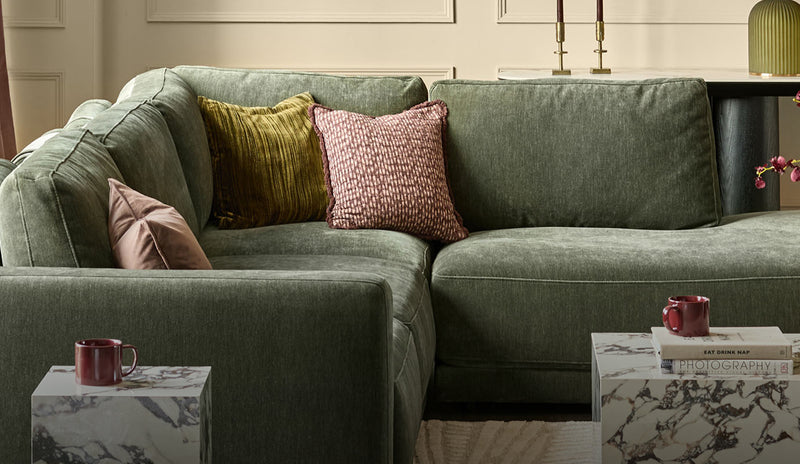
Arranging cushions sounds like a small detail, but it can make a big difference to a room. Where two or four cushions can look stiff or accidental, choosing three or five creates looks relaxed yet intentional. Place your largest cushions furthest back, then work forward by placing progressively smaller ones to the front. Try mixing textures, like a textured woven fabric against a smooth velvet, for added depth and contrast with your sofa.
2. Mix Patterns with a Common Colour Thread
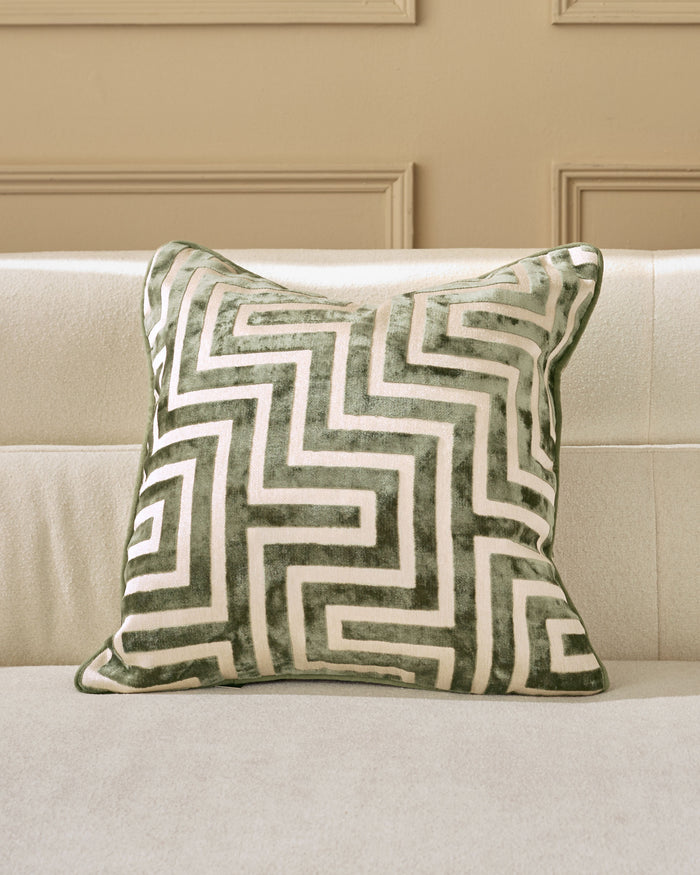
Mixing patterns might feel intimidating – after all, where do you start without ending up with something that looks over the top? But by following this simple rule, you’ll never go wrong. Choose one colour, and let it run through every patterned cushion or throw you choose. If they share a common shade, a striped pattern, a floral, and a geometric can sit together in harmony. Pick out a solid cushion in a complementary colour to create a visual breather and keep things balanced instead of chaotic.

3. Choose the Right Rug Size for Your Room
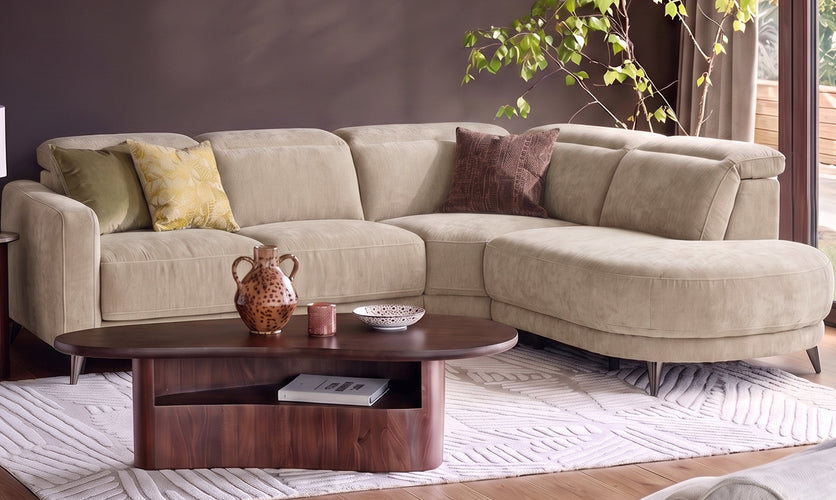
One of the most common styling mistakes to trip people up is choosing a rug that's too small. As a general rule, your rug should be large enough for the front legs of your sofa to rest on it. In a dining room, pick out a rug that extends about 60cm beyond the table on all sides, to make sure that your chairs stand on the rug even when they’re pulled out. If you’re ever in doubt, our stylists recommend sizing up to stay on the safe side.
4. Pair Texture and Tone Across Rooms
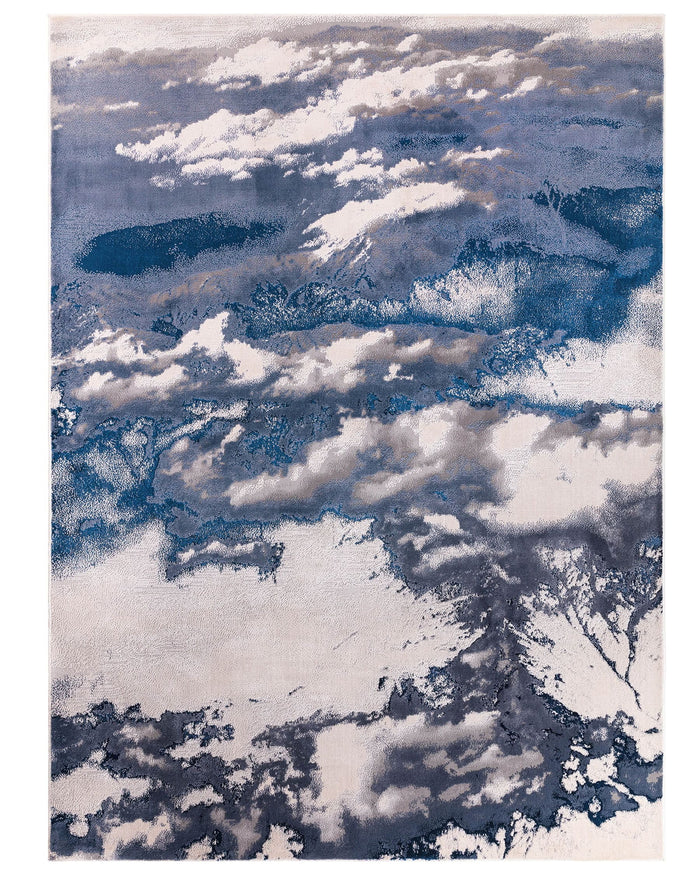
Once you've sized your rug, you can start thinking about texture and tone. To add depth and shine, a style like our Perla design combines a low pile with a shimmering metallic yarn. Or, for something a little softer, our Sienna style brings in a soft yet artistic character. Place textured but neutral rugs like these in your living room, then add contrast with a bolder abstract design in an adjoining space. By keeping one piece as the calmer, textural anchor and letting the other carry the colour or pattern, you can create a sense of flow and contrast across your rooms.
5. Use Mirrors to Amplify Light and Space
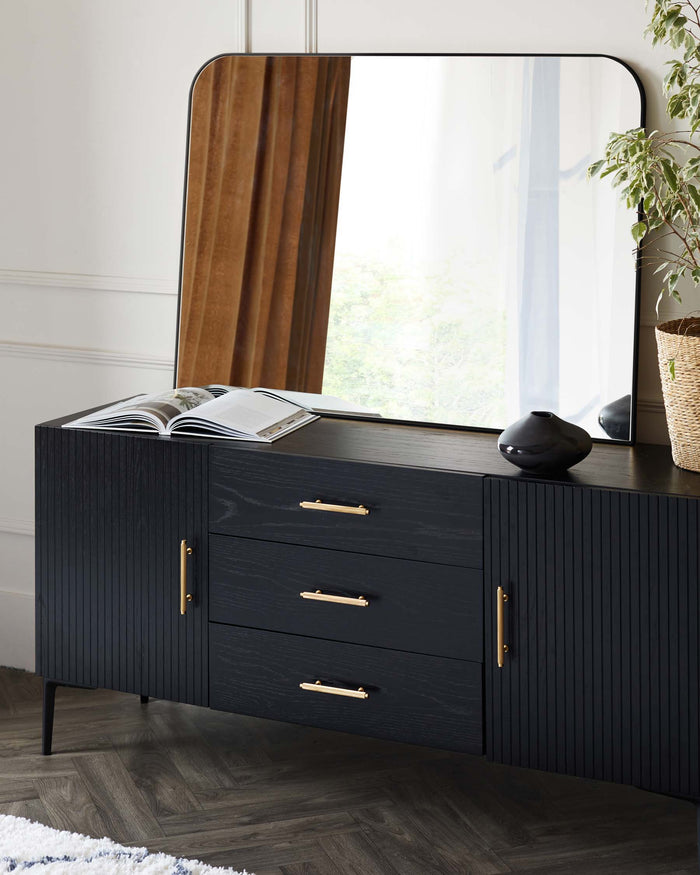
Mirrors are one of the most effective accessories to style, being both naturally decorative and functional pieces. When choosing where to hang them, think about what they’ll reflect. Positioned opposite a window, natural light will be bounced deeper into the room, making it feel brighter and more open. In a hallway or smaller room, a mirror will give the illusion of more space. To make sure you always create visual interest, avoid having any mirrors that face a blank wall.

6. Create a Mirror Gallery Wall
Clustering mirrors of different shapes and sizes on a single wall creates a sophisticated gallery-style feature that draws the eye without needing to hang artwork. Mix round, arched, and rectangular frames for contrast, and vary the sizes so the arrangement feels organic rather than matched. Before committing to your composition, plan your layout by positioning the mirrors on the floor, keeping gaps between them consistent, and around 5 to 8cm.
7. Combine Different Types of Lighting
To add warmth and dynamism to any room, create a combination using the three types of lighting: ambient (general overhead lighting), task (focused light for reading or working), and accent (smaller lamps or fixtures that highlight a feature or add mood). A floor lamp beside a reading chair, a table lamp on a console, and a ceiling pendant working together will make a room feel far more inviting than any singular light source. Incorporate at least two or three different light sources in any room you spend real time in.

8. Choose Statement Lighting as a Focal Point
Whether you create contrast by combining different lighting styles, or design a unified look by matching styles from a single set like our Riley Collection, consider using one standout piece to act as a focal point. A sculptural pendant over a dining table, an oversized floor lamp in a reading corner, or a striking table lamp on a sideboard can elevate a whole room on its own. Statement lighting works by drawing the eye, adding personality, and creating an anchor for the rest of your decor.
Elevating your home doesn't always need to be a big project or complete design overhaul. With a few thoughtful touches, like cushion arrangements, well-placed mirrors, and combined lighting sources, you can transform a room effortlessly. Start with one tip, like layering another light source or replacing a rug, and build from there. These small, intentional changes will add up to a home that feels comfortable and considered.