 Skip to content


Buying your first home - or moving into a new one - is an exciting milestone. It’s a fresh start, a new space, and an opportunity to invest in furniture that reflects how you really live.
But knowing how to furnish a new home can feel overwhelming - especially when you’re starting with a blank canvas.
To make things simpler, this guide breaks everything down into clear, practical steps - from a furniture checklist for a new home to expert furniture buying tips, helping you choose the best furniture for first-time homeowners with confidence.
What This Guide Covers
How to furnish a house step-by-step
A complete furniture checklist for a new home
What furniture to prioritise first
When to buy furniture for a new house
How to choose the right furniture for your home
Decorating ideas for first-time home buyers
Start With a Plan: The First Step to Furnishing a House
Before making any purchases, take time to plan.
One of the most common mistakes when furnishing a new home is buying too quickly, without fully understanding the space. It’s easy to be drawn to a particular piece, but without a clear plan, it may not work in scale, layout, or everyday use.
Taking a step back at the beginning allows you to approach your space with intention.
Look at Your Home as a Whole
Think beyond individual rooms and consider how your home connects as a whole. A well-furnished space feels cohesive, with furniture that flows naturally from one area to the next.
Ask yourself:
How will each room be used day to day?
Who will use each space most?
What atmosphere do you want to create?
Think About Movement and Flow
A well-designed layout allows people to move easily through the space. Consider natural pathways between doors, windows, and key areas, ensuring furniture supports the flow rather than interrupting it.
In open-plan homes, this becomes even more important. Furniture should help define zones - such as separating dining and living areas - without making the space feel closed off.
Map Out Your Layout Before You Buy
A simple floor plan can make all the difference. Even a rough sketch helps you visualise how furniture will sit within the room.
This allows you to:
Test different layouts
Check spacing and proportions
Avoid overcrowding
Planning in advance ensures your choices feel considered from the start.
A Complete Furniture Checklist for a New Home
When you’re working out how to furnish a new home, a structured checklist helps you prioritise what you need and build your space in a logical way.
Living Room Essentials
The living room is often the first space to furnish. Focus on:
A sofa as your main seating
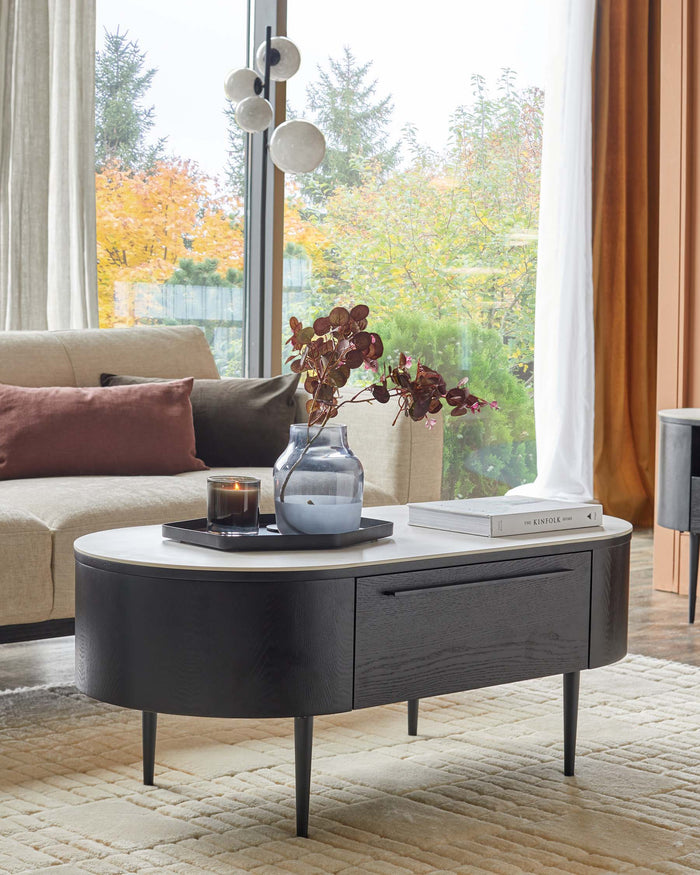
A coffee table to anchor the layout
Storage such as a media unit or sideboard
Additional pieces like side tables, lighting, and accent chairs can be introduced once the core layout is in place.
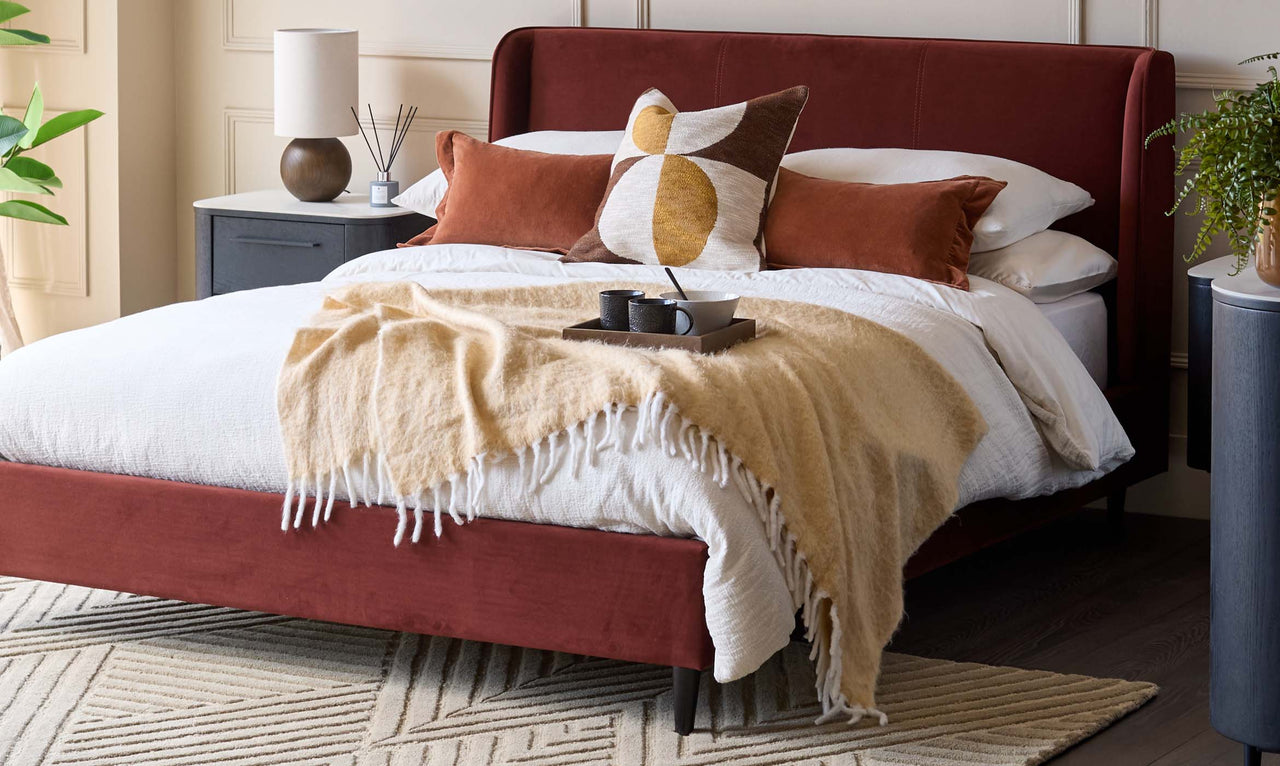
Bedroom Essentials
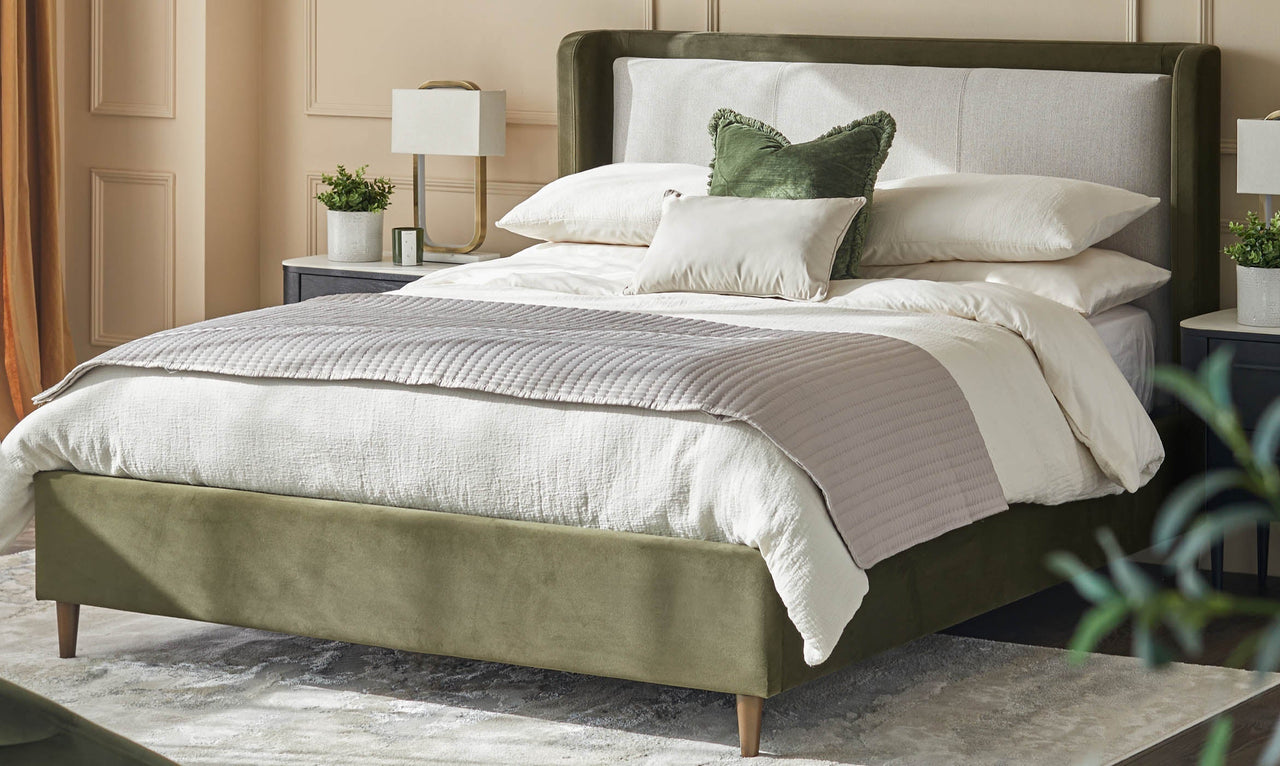
Your bedroom should feel calm and functional from the outset. Prioritise:
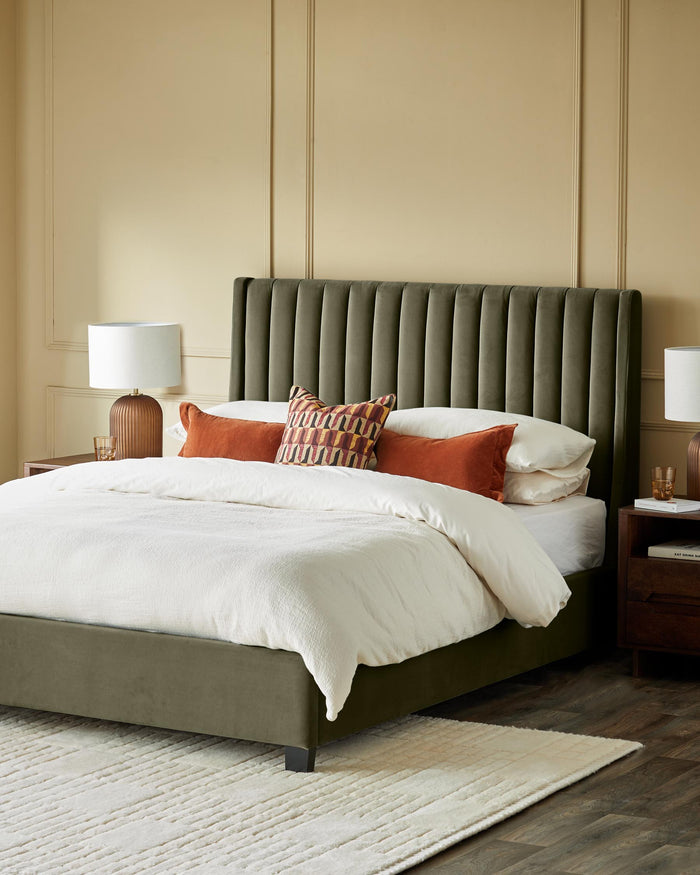
A bed and mattress
Clothing storage
You can then layer in additional furniture such as drawers or a dressing table if space allows.
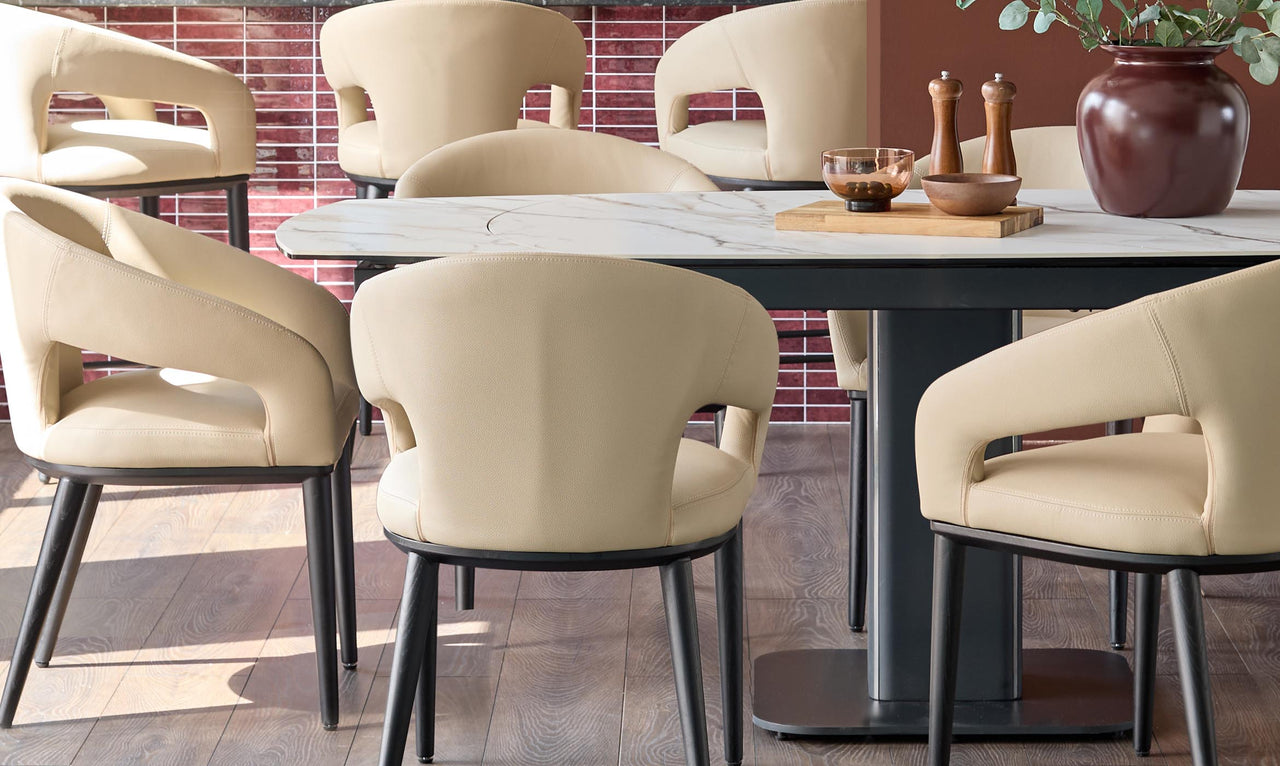
Dining Area Essentials
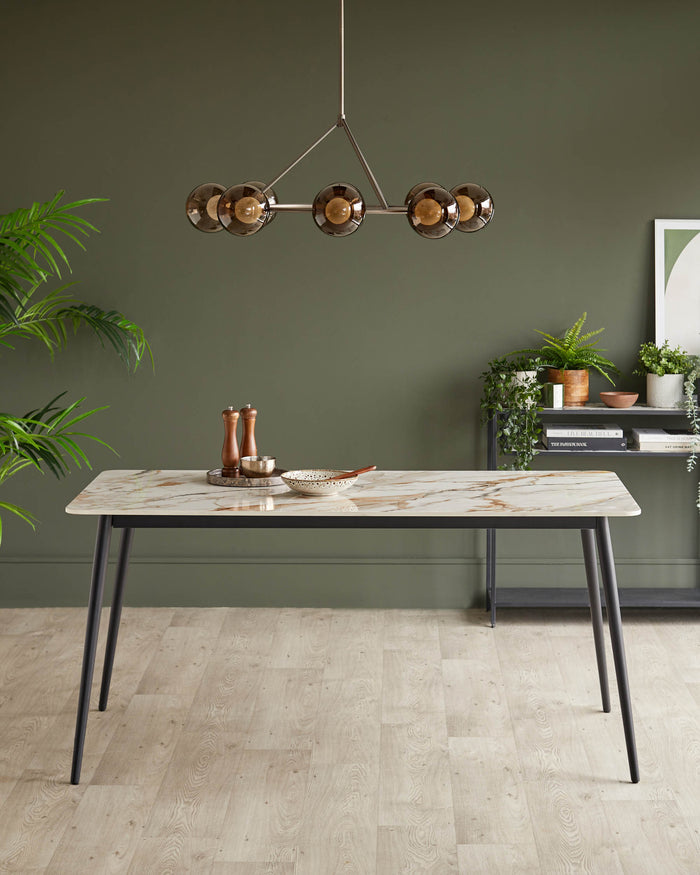
Whether formal or open-plan, your dining space should support both everyday use and hosting:
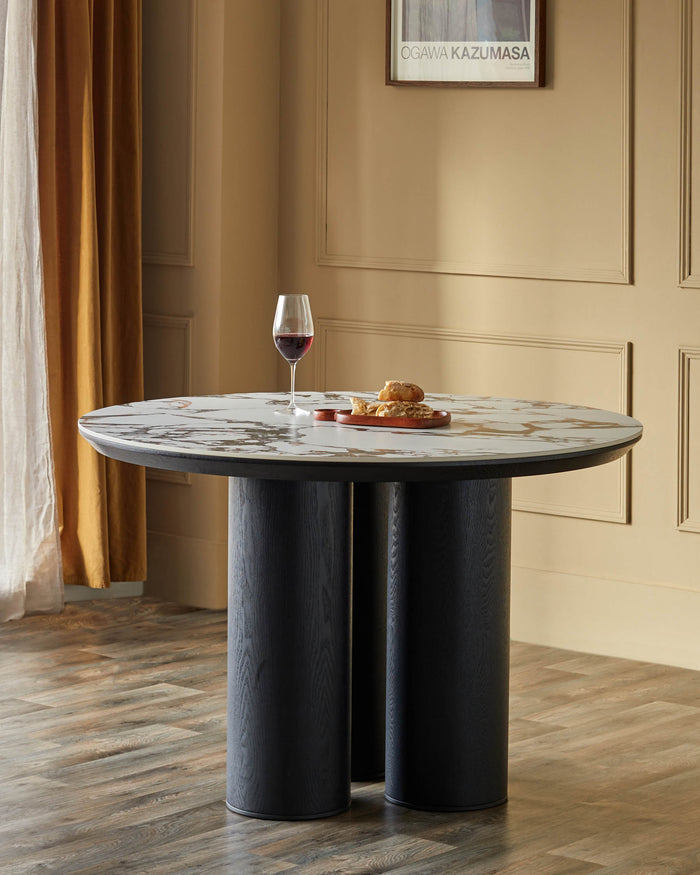
A dining table suited to your space
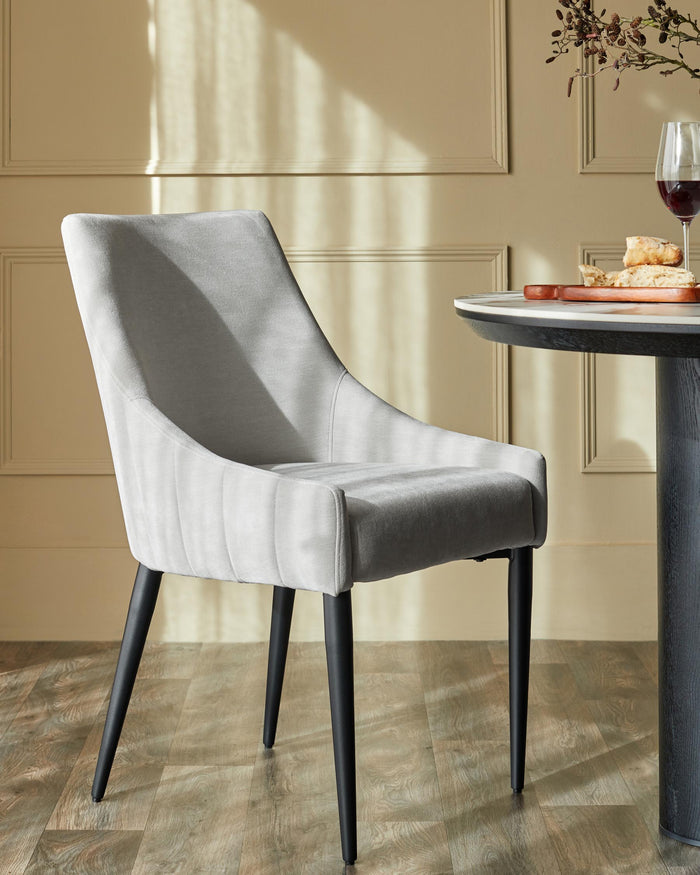
Comfortable, durable seating
Optional additions like bar stools or a sideboard can enhance flexibility over time.
What Furniture Should You Prioritise First?
Rather than trying to complete your entire home at once, focus on the pieces that support your daily routine.
Your priority should be the furniture you’ll use most - typically your sofa, bed, dining table, and essential storage. These form the foundation of your home and shape how it functions from day one.
Choosing these key pieces carefully is one of the most important steps when learning how to choose the right furniture for your home. The goal isn’t to fill space quickly, but to establish a strong base that everything else can build from.
When to Buy Furniture for a New House
Timing is just as important as what you buy.
While it’s tempting to have everything ready before moving in, it’s often better to wait until you’ve spent some time in the space. This gives you a clearer understanding of how your home works in practice.
You’ll begin to notice:
How natural light changes throughout the day
Which areas you naturally use most
Where additional furniture is actually needed
This approach leads to more informed decisions and helps ensure each piece you introduce has a clear purpose.
Furnish One Room at a Time for Better Results
Focusing on one room at a time helps simplify the process and leads to more cohesive results.
Rather than dividing your attention across the whole house, concentrate on completing one space before moving to the next.
This allows you to:
Make more considered design decisions
Create a stronger sense of cohesion
Manage your budget more effectively
Start with the room you’ll use most, then build outward from there. As each space comes together, it naturally informs the next.
Measure Your Space Properly
Accurate measurements are essential when furnishing your home.
It’s not just about whether furniture fits - it’s about how it fits within the room and how it interacts with the surrounding space.
Be sure to:
Measure room dimensions carefully
Check access points such as doors and hallways
Allow space for movement and walkways
Considering proportion is equally important. The right scale ensures your space feels balanced and comfortable, rather than overcrowded or sparse.
How to Choose the Right Furniture for Your Home
Choosing furniture is about creating a space that works for your lifestyle.
The best furniture for first-time homeowners balances three key elements:
Function
Each piece should serve a clear purpose and support how you use the space.
Comfort
Furniture should feel as good as it looks, particularly for high-use items like beds and sofas.
Longevity
Well-made furniture performs better over time and adapts as your home evolves.
By focusing on these principles, you can make confident, long-term decisions rather than short-term fixes.
Budgeting: A Smarter Way to Furnish Your Home
Moving home comes with a range of costs, so having a clear budget is essential.
Rather than spreading your budget evenly across everything, prioritise the pieces that matter most.
Invest in high-use items like sofas and beds
Be flexible with smaller pieces
Keep some budget aside for unexpected needs
This approach ensures your home is built around quality where it counts, while still allowing flexibility as your space develops.
First-Time Home Buyer Decorating Ideas
Once your key furniture is in place, decorating is where your home begins to feel personal.
Rather than aiming for a showroom look, focus on creating a space that reflects your lifestyle.
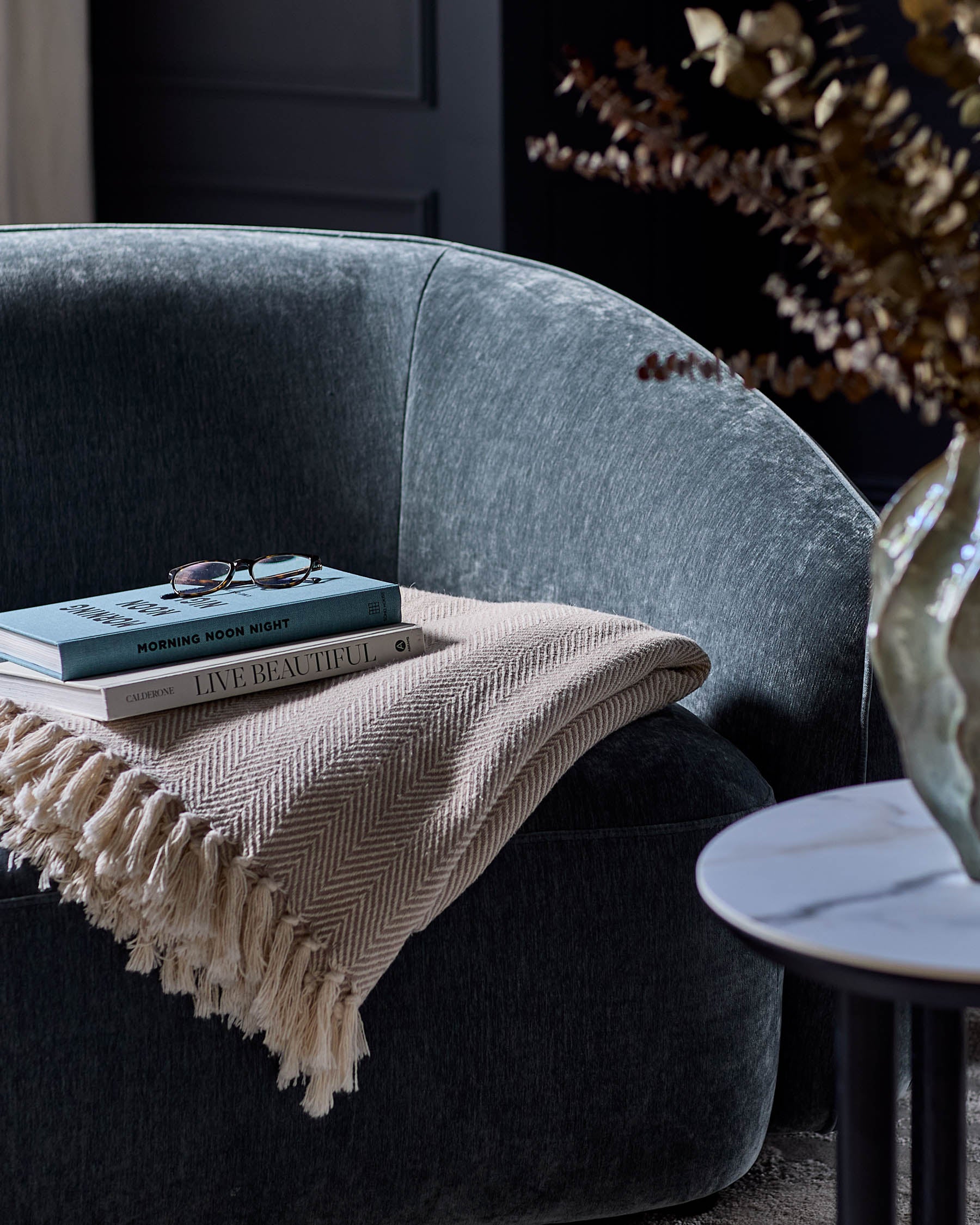
Layer textures to add depth and warmth
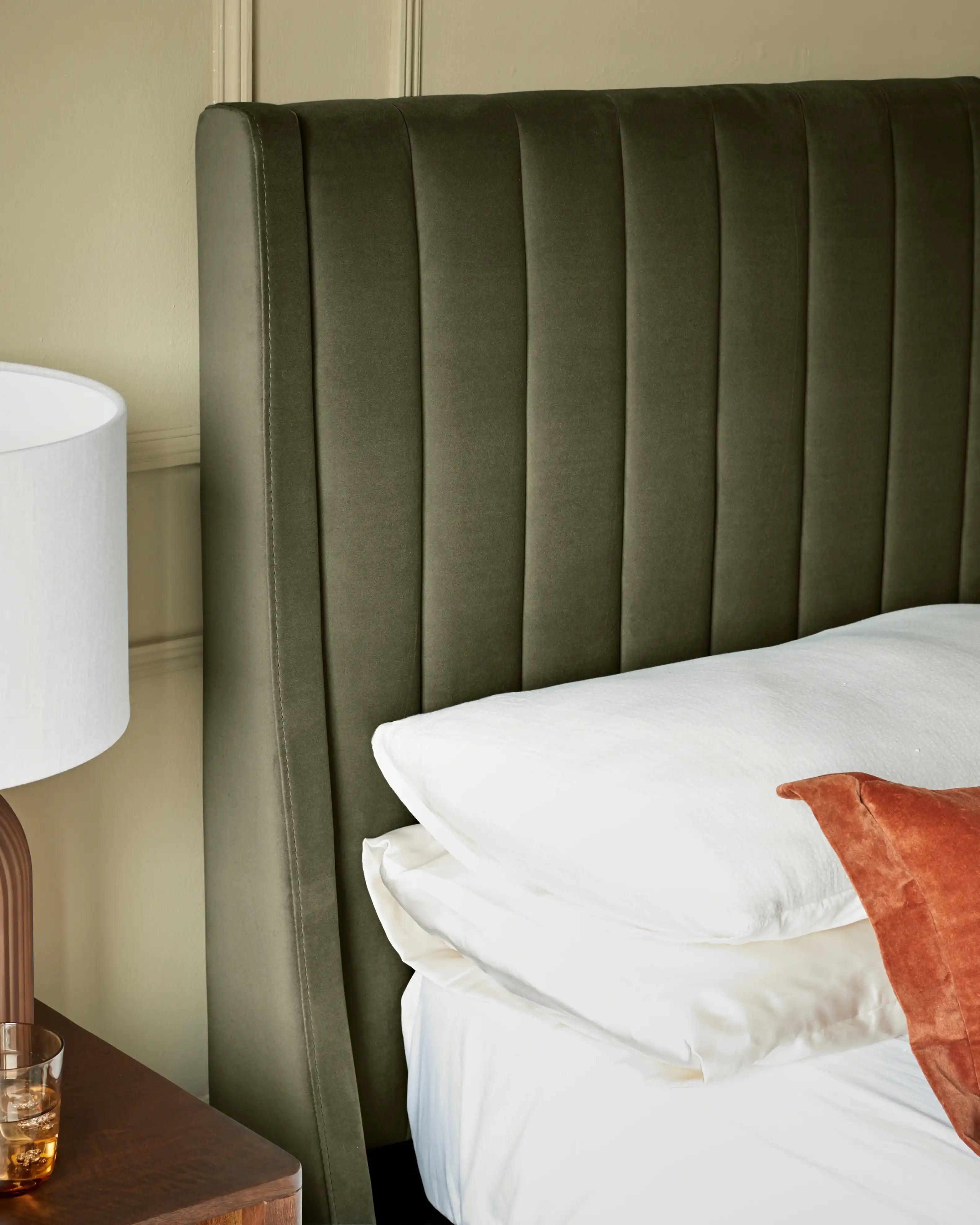
Introduce colour through key furniture pieces
Use lighting to shape atmosphere
The most effective decorating choices are those that feel natural and comfortable over time - not overly styled, but thoughtfully considered.
Final Thoughts: Furnishing Your Home with Confidence
Furnishing a home is a process - not something that needs to be completed overnight.
By approaching your space with intention, prioritising your key pieces, and allowing your home to evolve over time, you’ll create a space that feels balanced, functional, and truly yours.
Because ultimately, it’s not about filling a home - it’s about shaping a space that works beautifully for the way you live.

Great content!