 Skip to content


If you hear wood veneer and think of flimsy flat-pack furniture, it’s time you thought again. Wood veneers are more durable, practical and stylish than most people realise. They make a stylish choice for a lot of furniture designs thanks to their clean look, variety of colours, stability – and that’s not all. In this post, we’ll talk you through:
What veneer is
How to clean and care for it
What finish will suit your home best
Everything you need to know about wood veneer furniture
What is veneer, and what is it made of?
Wood veneer is made by bonding a thin layer of natural hardwood to a stable composite base material. Veneer is more affordable than solid timber, due to its composition as it’s made from less actual wood, but it has a similar final effect, more consistent in appearance and overall stability.
Solid wood vs wood veneer
If you’re struggling to choose between solid wood furniture and furniture with a wood veneer finish, there are more factors to consider than just price. Let’s take a look at each material.
Solid wood furniture is very durable and often easy to repair. Anything from scratches and dents to watermarks and stains can usually be given a light sanding down with fine sandpaper, to remove any marks.Veneers make sure that furniture not only looks great but is also long-lasting. The real wood veneer is glued to a stable substrate, so the surface will resist warping or splitting.
Solid timber is, however, susceptible to changes in atmospheric conditions. Particularly susceptible to moisture, natural wood can warp and bend if temperatures fluctuate. It can also expand, contract and split along the grain in cases of extreme sun and heat. Waxes and oils can help prolong the life of real wood furniture, but this requires a little extra maintenance and upkeep.
Wood veneer is also far better for the environment, as more material can be made using one piece of wood. There are also a lot of design possibilities for wood veneer furniture, being far thinner and more flexible than solid wood.
Like real wood, veneer can become damaged if it’s not treated with care - blistering, delaminating and even peeling back at the edges. But this is incredibly easy to stop, To prevent the surface blistering simply use mats and coasters under hot or wet dinnerware. and by giving Give your furniture a regular light clean and make sure any spillages are cleaned up straight away.

How to clean wood veneer
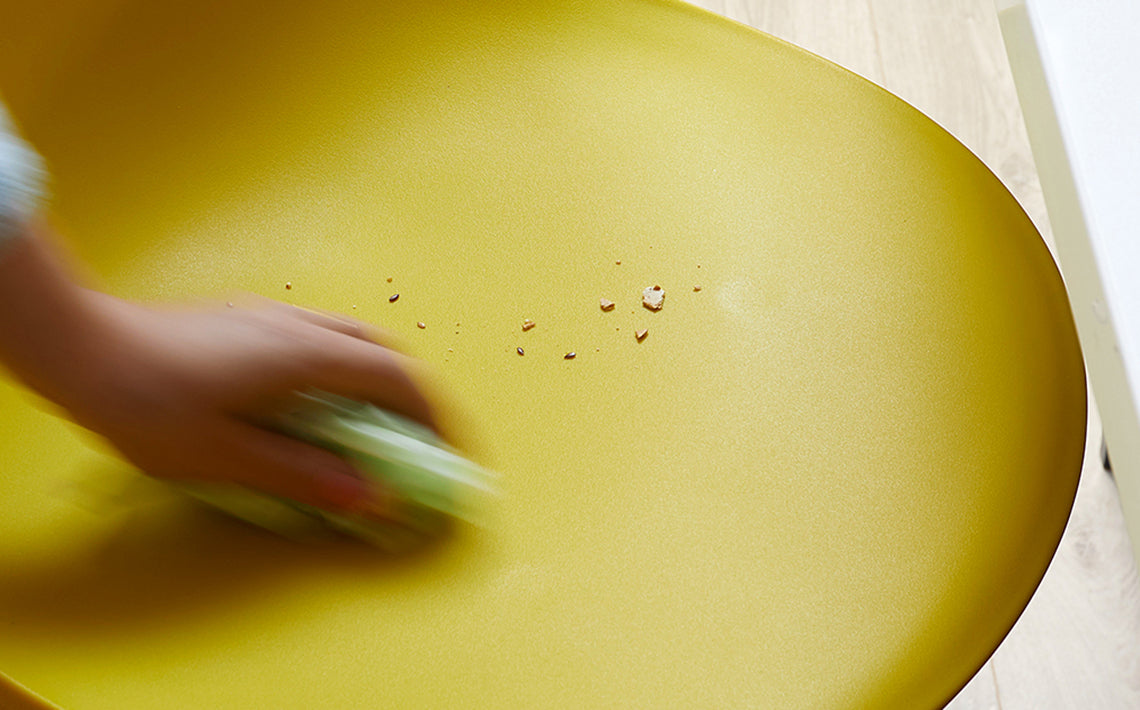
Dining table, shelf or sideboard – clean wood veneer furniture with a soft, damp, lint-free cloth. Wipe in the direction of the wood grain for the best possible clean. If you need to tackle stubborn marks caused by food or drink, apply a dab of mild dishwashing detergent to your cloth, and wipe in the direction of the wood grain.
Regularly dusting your wood veneer furniture with a dry, soft cloth will keep it looking its best with minimal effort. Spray a light-layer of non-ammonia glass cleaner for a quick, non-deep clean, and wipe it gently with a paper towel.
Always check what’s in the cleaning products you’re using, just to be safe. Avoid any furniture polishes that contain wax or silicone. Wax can build up on your veneer furniture and create a cloudy, uneven appearance over time. Silicone can also leave behind a grubby white residue that destroys the furniture finish. Make sure to steer clear of abrasive cleansers or cloths, and instead stick with soft cleaning agents and clean cloths that won’t damage the veneer’s surface.
If any small marks appear on your veneer furniture, don’t panic. In most cases, these can be treated with a few small furniture restoration tricks. Before you start, give your veneer an initial clean with mild soapy water to remove any surface grime.
For marks and scratches: apply a high-quality furniture polish to hide small scratches in the wood furniture finish. Rub the polish in with a soft cloth until the scratch is no longer visible.
For deeper scratches or indents: pick up a furniture repair kit to help fill and colour any nicks. Make sure to read the manufacturer’s instructions, and test on a small, out of the way area before applying with a more liberal hand.
Maintaining wood veneer furniture
When it comes to maintaining and protecting wood veneer furniture, there are three main things to avoid:
1. Direct sunlight
If wood veneer furniture is exposed to direct sunlight over long periods of time, the colour can start to fade. So keep your furniture out of direct view of windows or sunlight. If that isn’t an option due to the design or layout of your room, try protecting the material by putting up blinds and curtains, or even UV screens and films.
2. Moisture
If a drink spills on your dining table’s wood veneer top, wipe it up as soon as you can. If left, liquids can seep through the solid wood layer and loosen the glue from the surface. Use a paper towel or clean dishcloth, avoiding sponges or clothes that could spread the liquid instead of absorbing it.
They might seem minor, but water rings can also cause damage to veneer tables by soaking the finish and changing its opacity. Place mats and coasters under meals and drinks to keep your table looking its best.
3. Heat
Heat or steam from very hot plates can cause blistering also loosen the glue holding the veneer to the surface underneath. Always use placemats and coasters, and try not to place hot dishes directly onto the surface. A heatproof mat covering your table will protect the surface. Check any mats or trivets you use have felt bottoms to prevent any scratching.

Which wood veneer finish will suit your home?
There are a variety of wood veneer finishes out there, each with their own features and benefits. Here are three of our favourites and how we’d style them at home:
Dark ash veneer
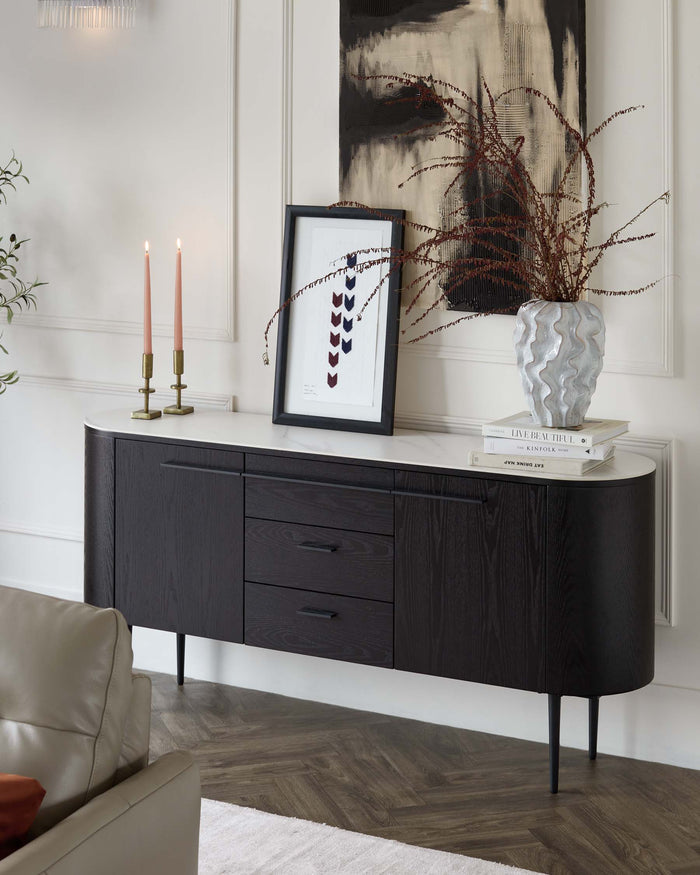
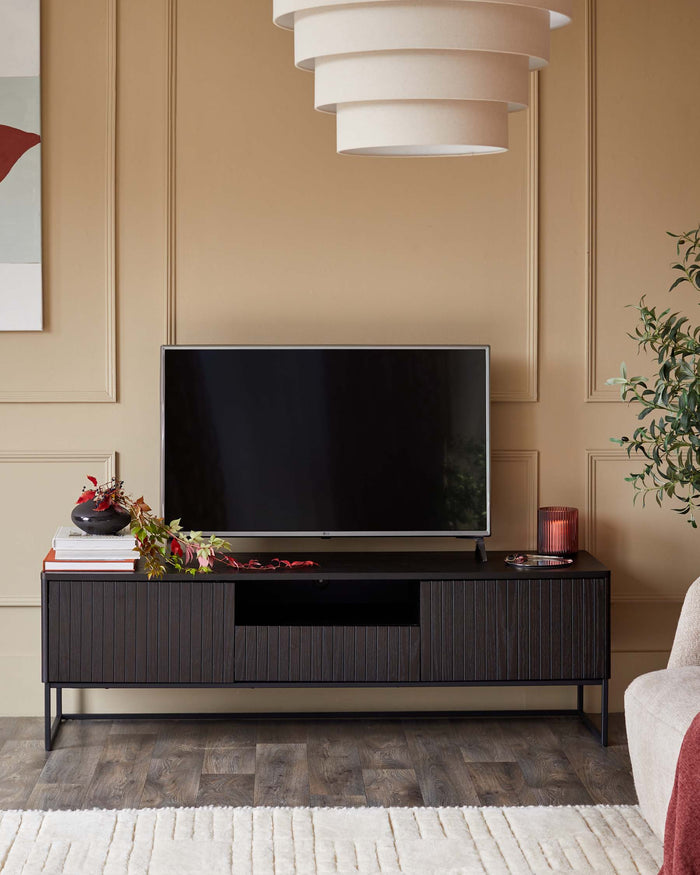
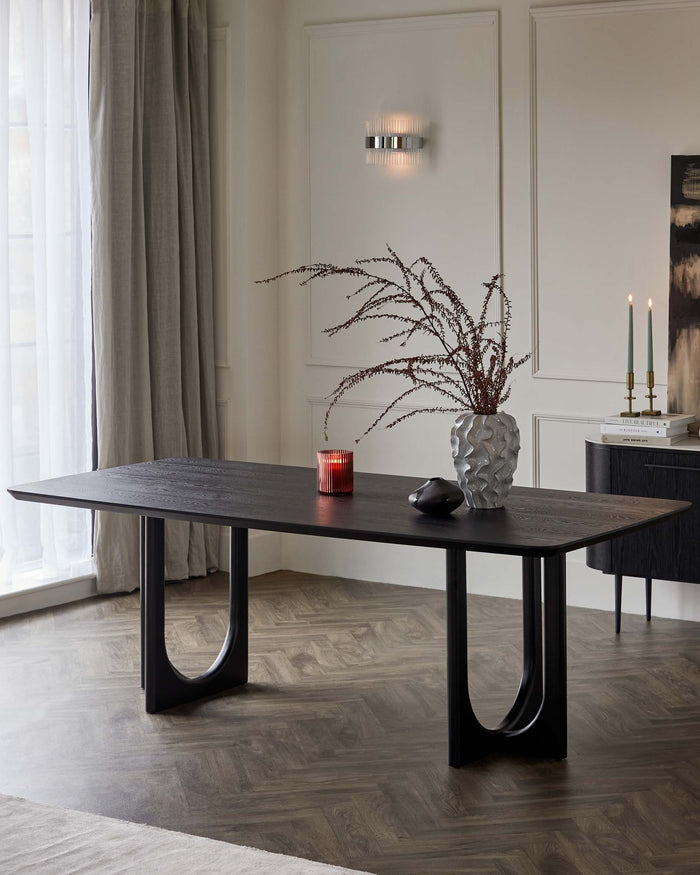
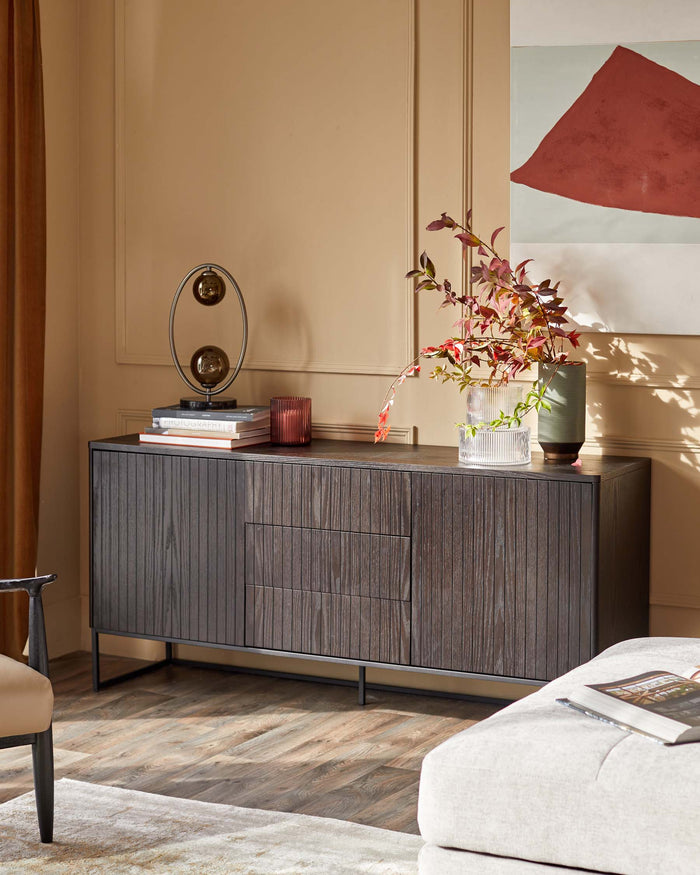
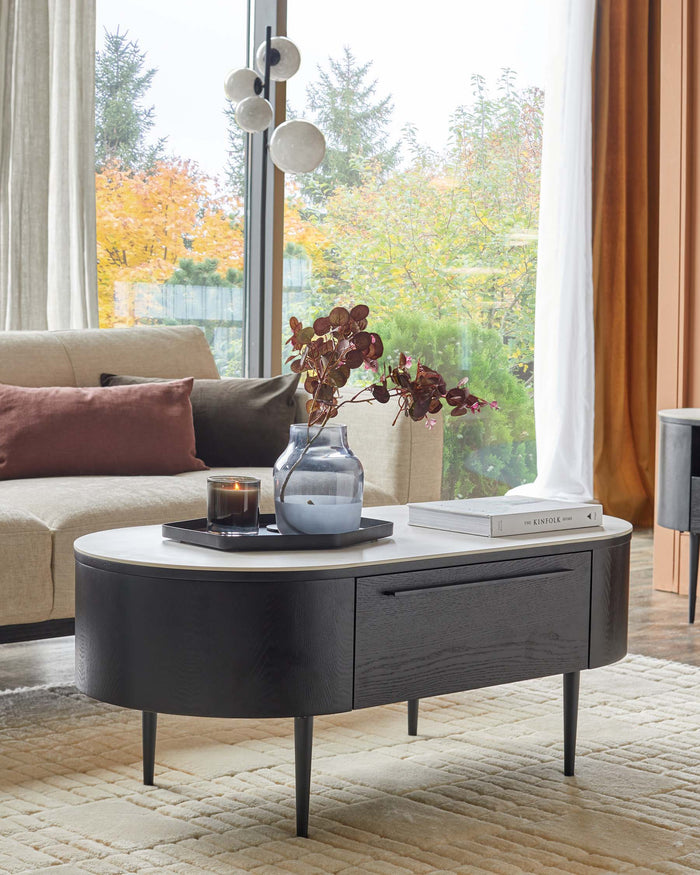
Warm, rich and tactile. Dark ash veneer pieces, like our Manhattan sideboard, have an effortlessly luxurious look. Style beside a set of black chrome dining chairs for added drama, or opposite glass furniture to lift and lighten your space.
Oak veneer
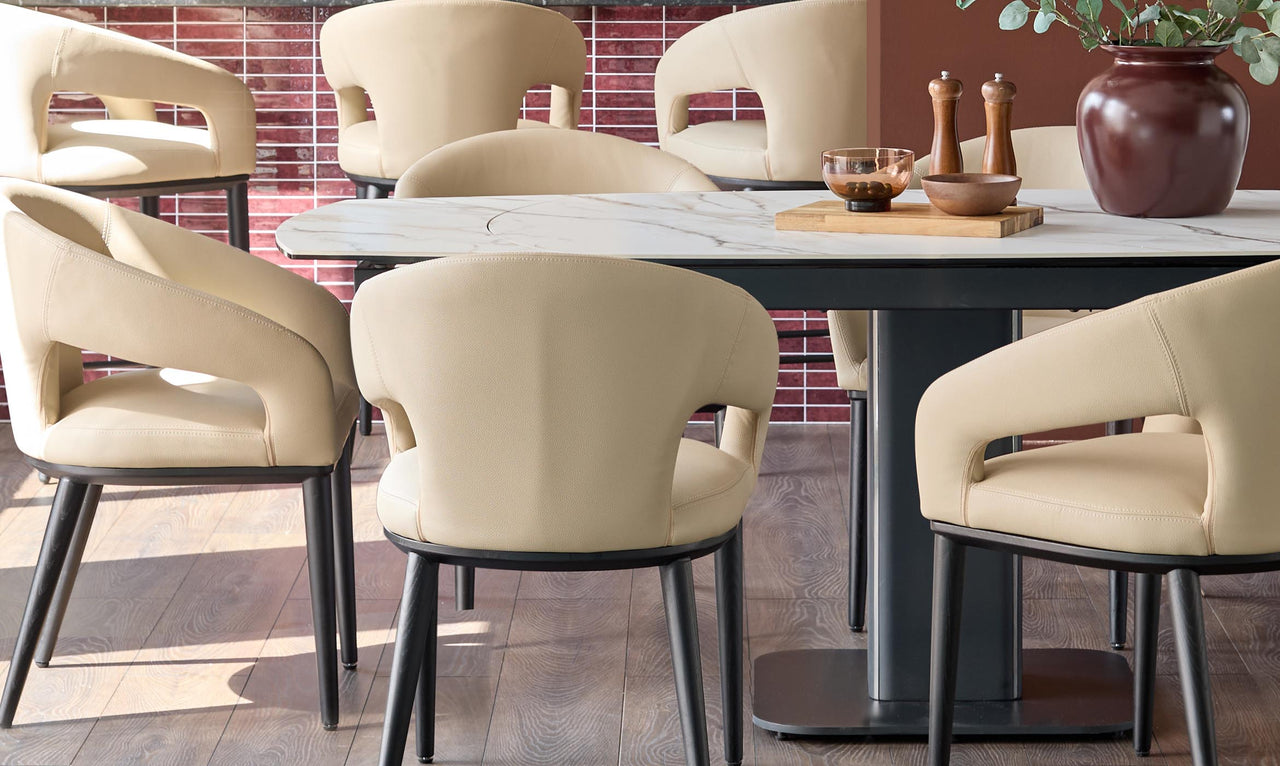
Oak wood veneer furniture has a modern Scandinavian feel. and a touch of hygge to it. Place it alongside more modern finishes, like gloss, brushed metal, or a ceramic top like our Aver dining table, to mix textures while keeping your space looking bright and fresh.
White oak or painted veneer
Crisp and contemporary, white oak veneer is as modern as gloss finish furniture. But, unlike gloss, white oak or painted veneer isn’t shiny or reflective. The subtleties of the natural wood grain run across the surface – gorgeous to look at and beautiful to touch.
Balancing looks with longevity, wood veneer furniture gives you the best of both worlds. Whether you’re drawn to the mid-century warmth of walnut or the Scandinavian chic of white oak, each piece can enhance your space – without the environmental footprint or price tag of solid timber.
Explore our wood veneer collections to find your perfect furniture.

This is very good and helpful