Skip to content



Buying a mattress comes with plenty of advice - but not all of it is accurate.
From "firmer is always better" to "more springs means more comfort", there are countless mattress myths that have been repeated for years. While some started with a grain of truth, modern mattress design has evolved significantly, and many of these assumptions no longer hold true.
Understanding the facts behind these common misconceptions will help you choose a mattress that's right for the way you sleep, rather than simply following outdated advice.
What This Guide Covers
Does a firmer mattress help your back?
Are more pocket springs always better?
Does memory foam sleep hot?
Are expensive mattresses always better?
Do thicker mattresses mean better quality?
Do you need to flip every mattress?
Should you replace your mattress every 8 years?
Can one mattress suit everyone?
Is your bed frame just as important as your mattress?
Myth 1: A Firmer Mattress Is Always Better for Your Back
False
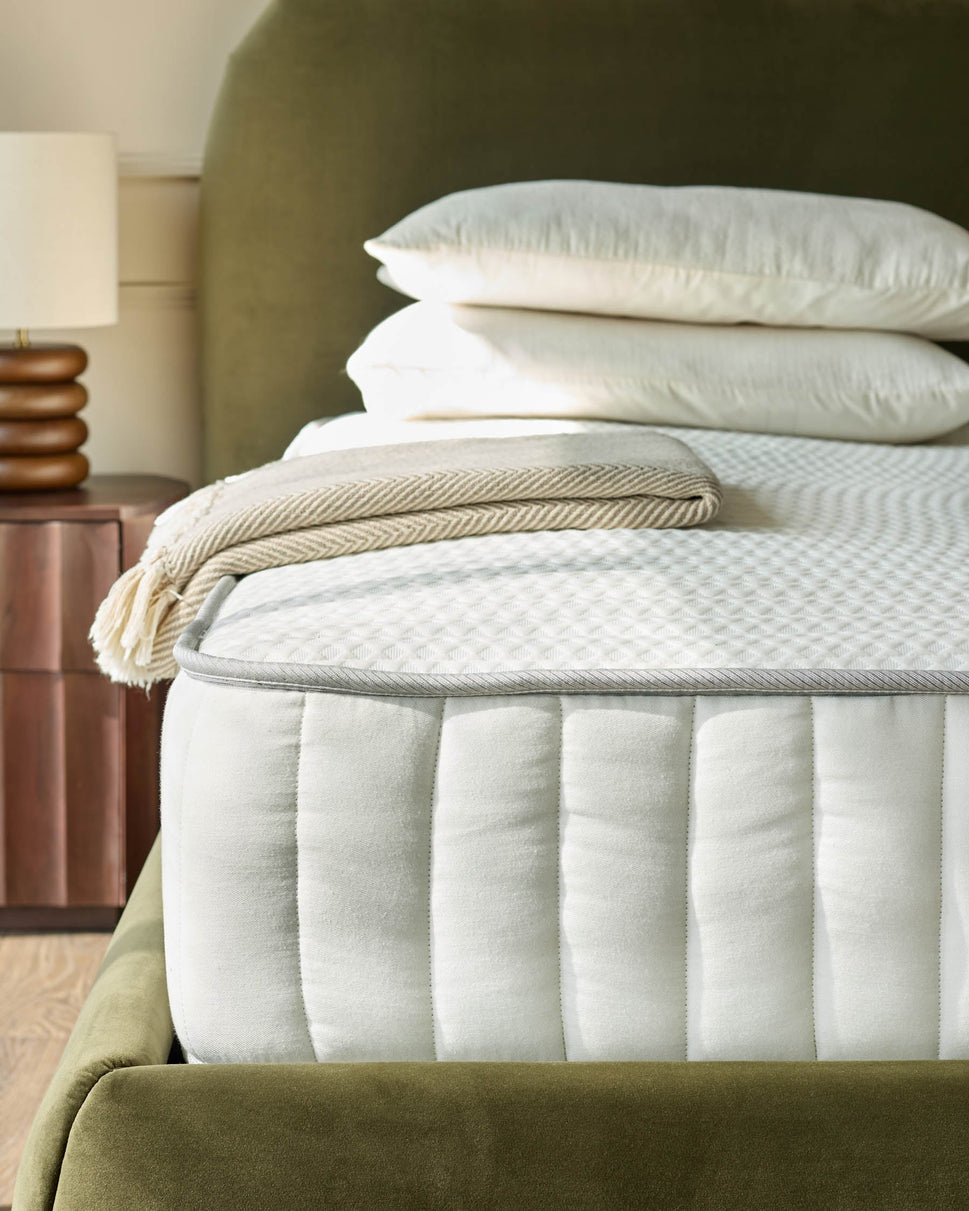
This is probably the most common mattress myth - and one of the most misunderstood.
A supportive mattress isn't necessarily the firmest one. The right mattress is the one that keeps your spine in a neutral position while allowing your shoulders and hips to settle comfortably into the surface.
For many people, particularly side sleepers, a medium-support mattress provides a better balance of pressure relief and support than an extra-firm mattress.
Comfort and support should always work together.
Myth 2: More Pocket Springs Always Mean a Better Mattress
Partly True
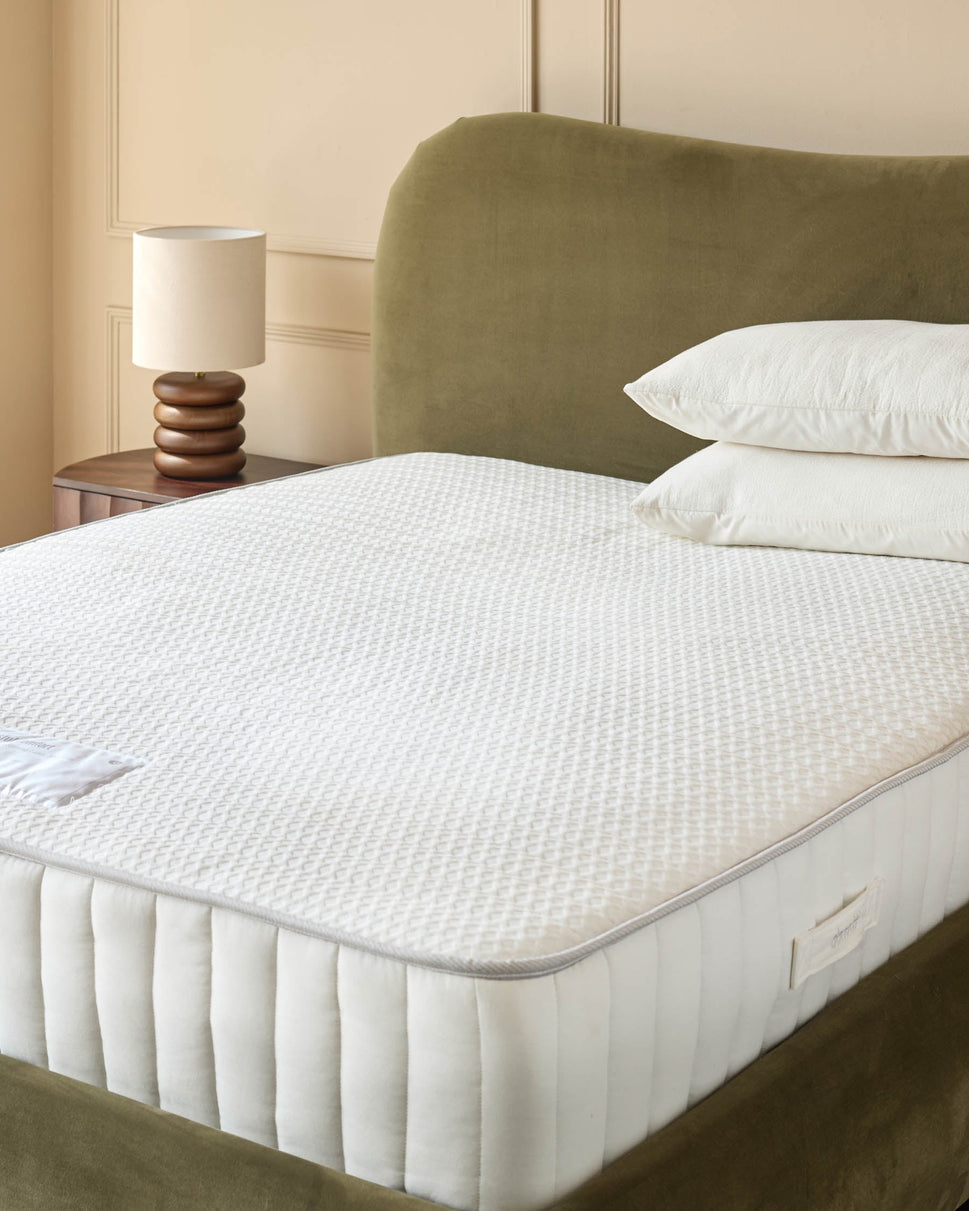
Pocket spring count is important - but it's only one part of the story.
A higher spring count can improve support, responsiveness and weight distribution, but it isn't the only indicator of quality.
The comfort layers above the springs, the materials used, and the overall construction all influence how a mattress feels and performs over time.
Rather than focusing on one specification, think about how the mattress has been designed as a complete sleep system.
Myth 3: Memory Foam Always Sleeps Hot
Not Anymore
Early generations of memory foam developed a reputation for trapping heat.
Modern mattresses have evolved significantly.
Many now incorporate breathable foams, open-cell structures, cooling layers or naturally breathable materials that help improve airflow throughout the night.
If you naturally sleep warm, look beyond the material name and consider how the mattress has been constructed.
Myth 4: The Most Expensive Mattress Is Always the Best
False
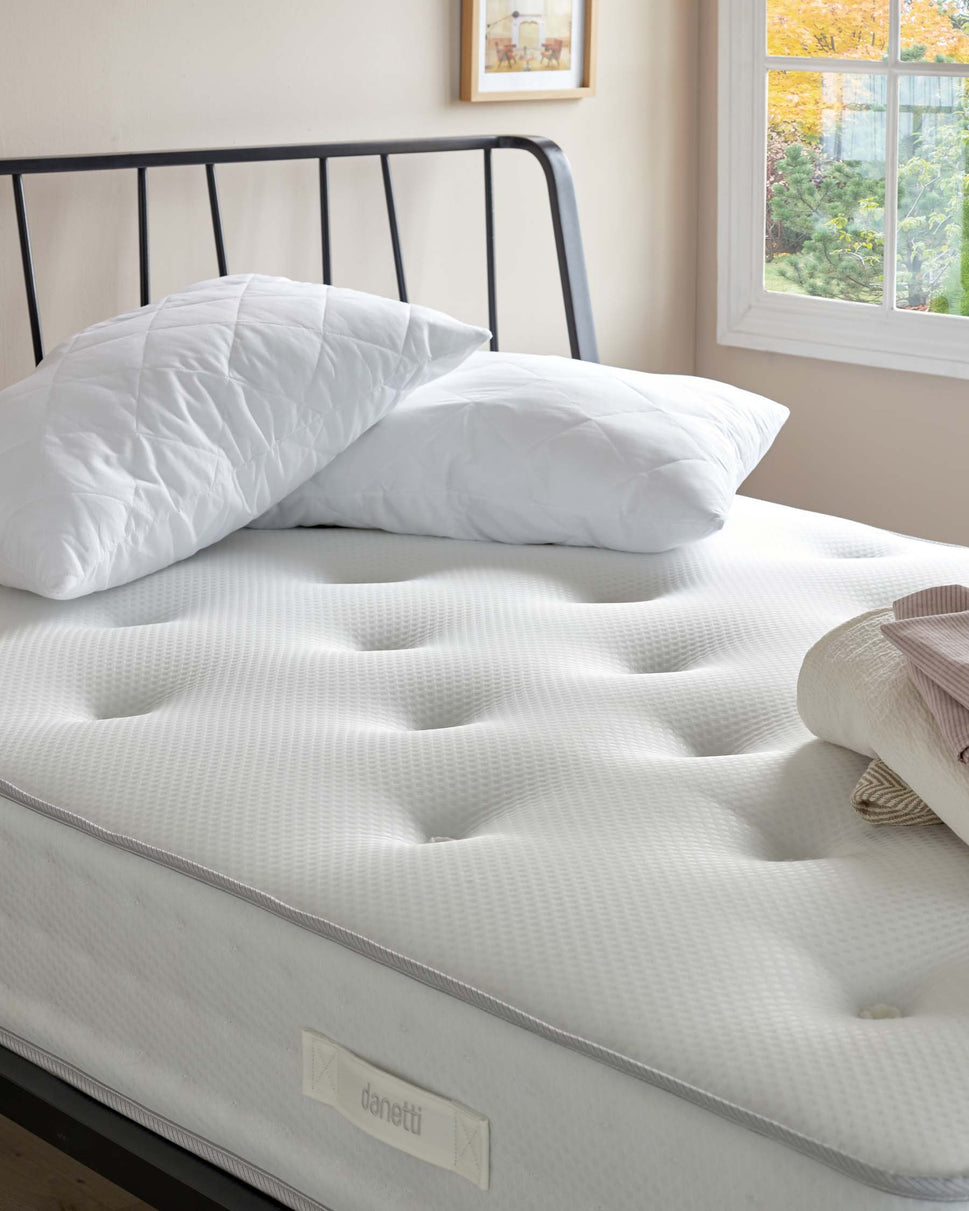
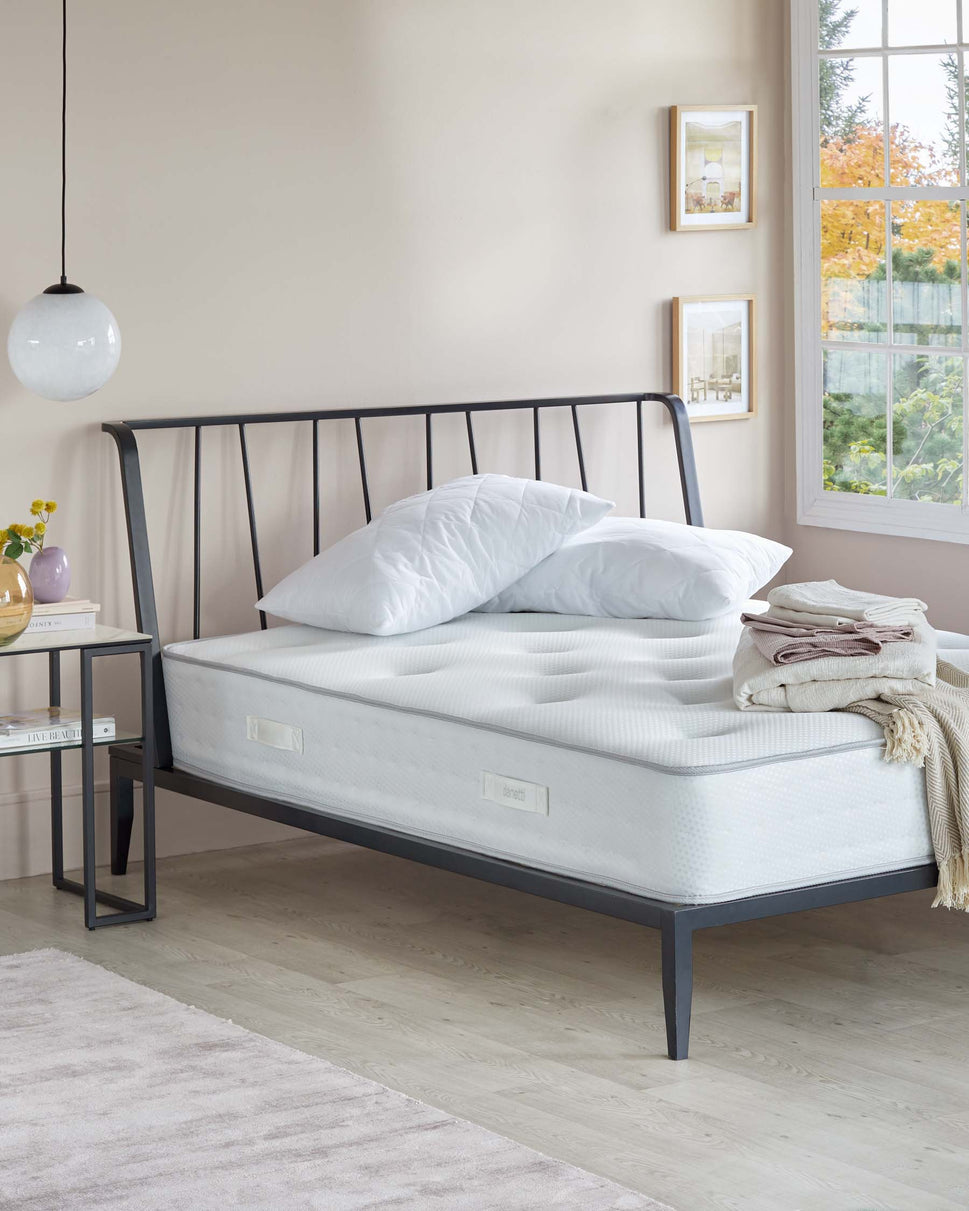
Price alone doesn't determine comfort.
A premium mattress often uses higher-quality materials and more sophisticated construction, but the best mattress is ultimately the one that suits your body, sleeping position and comfort preferences.
A mattress that's perfect for one person may not feel right for someone else.
Choosing well-designed materials that match the way you sleep is far more important than chasing the highest price tag.
Myth 5: A Thicker Mattress Is Always More Comfortable
Not Necessarily
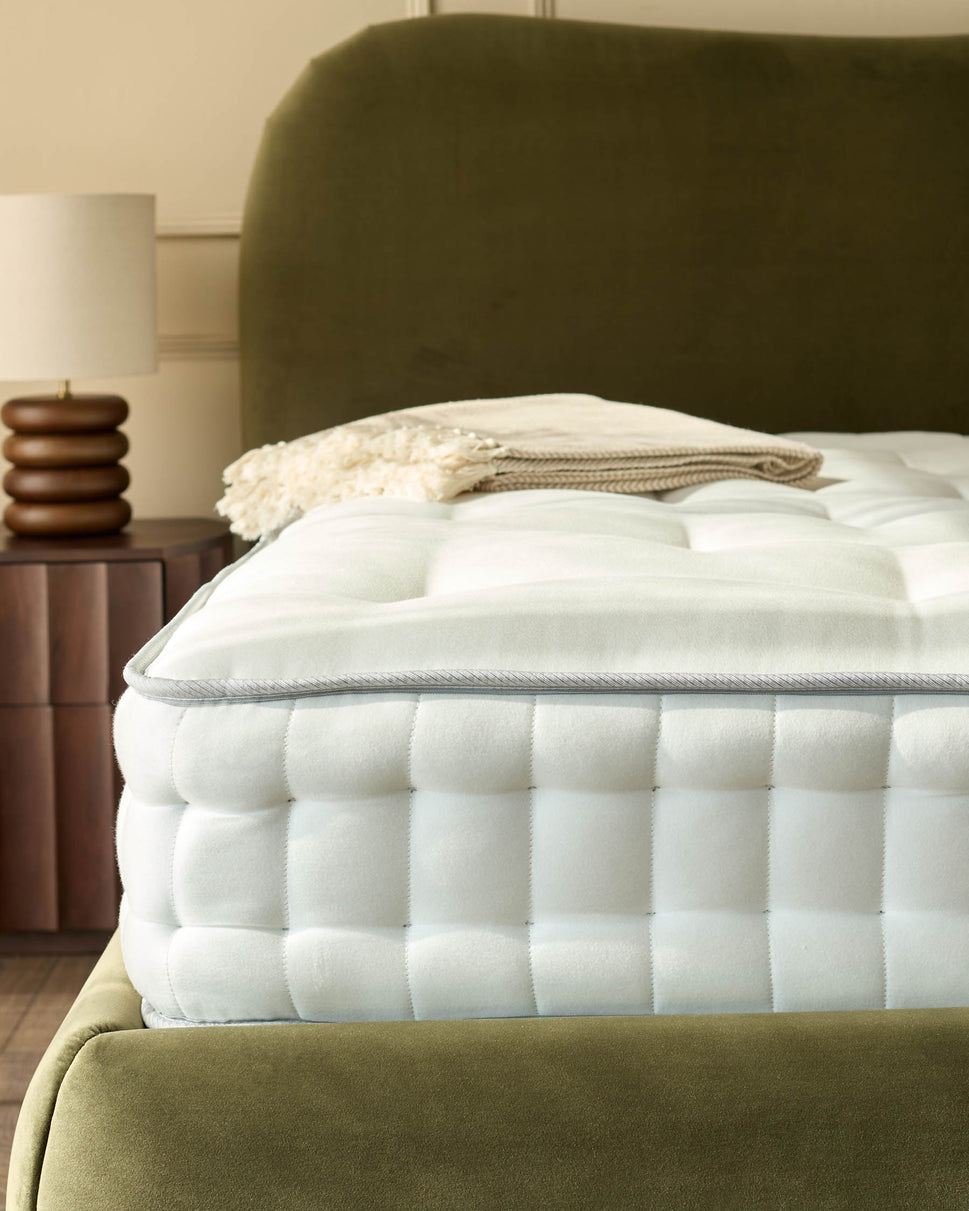
A deeper mattress often contains additional comfort layers, but thickness alone doesn't guarantee better sleep.
Support comes from how the mattress is constructed - not simply how tall it is.
A well-designed medium-depth mattress may feel considerably more comfortable than a much thicker mattress built with lower-quality materials.
Myth 6: You Need to Flip Every Mattress
Sometimes
Not all mattresses are designed to be flipped.
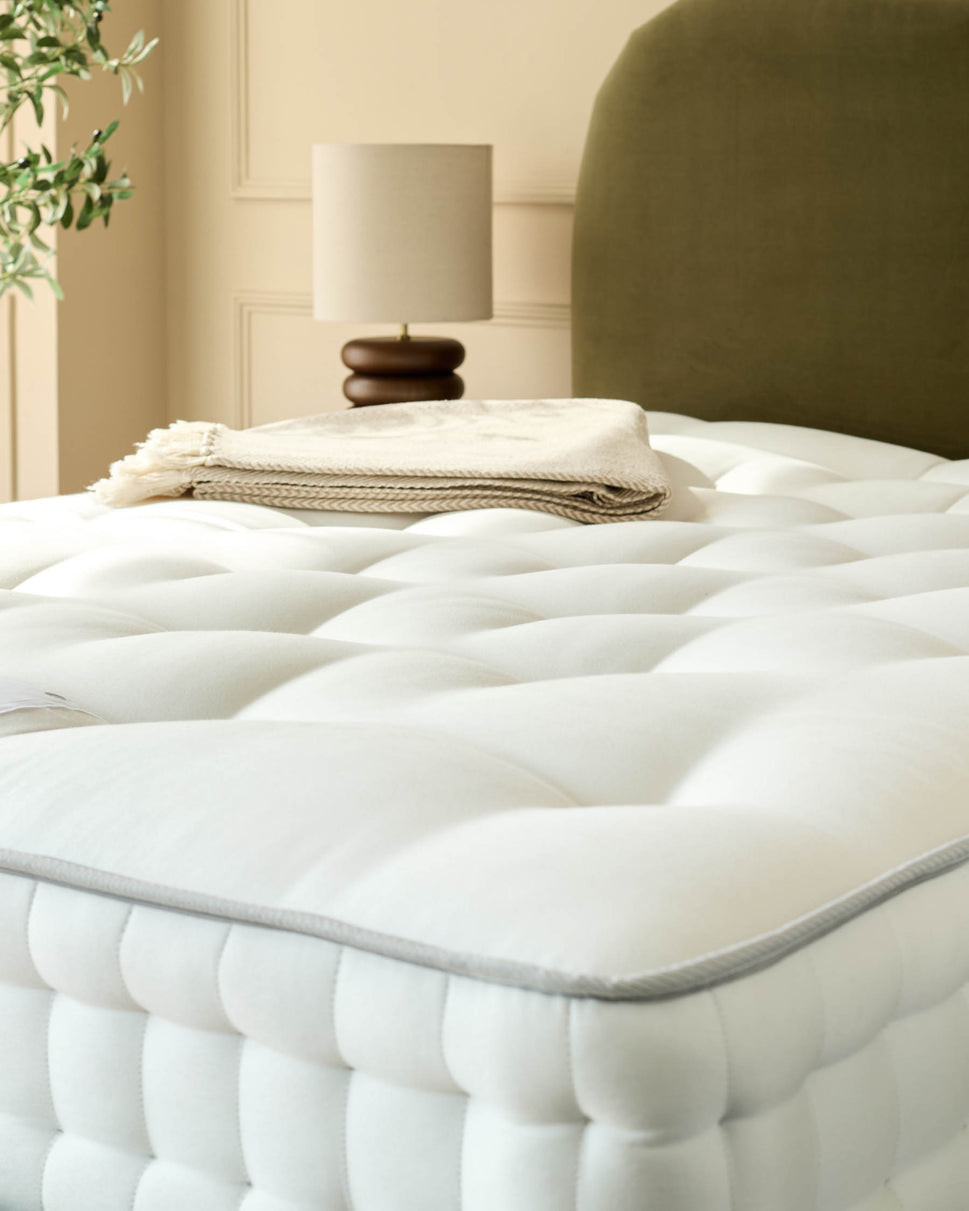
Many modern mattresses contain comfort layers on one side only, meaning they simply need rotating rather than turning over completely.
Always follow the manufacturer's care instructions to help maintain comfort and extend the life of your mattress.
Myth 7: You Should Replace Your Mattress Every Eight Years
It Depends
You've probably heard that mattresses should be replaced every eight years.
In reality, lifespan depends on the quality of the mattress, how often it's used and how well it's maintained.
If your mattress has begun to sag, no longer feels supportive or you regularly wake with aches and pains, it may be time for a replacement - even if it's younger than eight years.
Likewise, a well-maintained, high-quality mattress may continue performing well beyond that timeframe.
Myth 8: One Mattress Suits Everyone
False
There isn't one perfect mattress.
The best choice depends on:
Your sleeping position
Body weight
Preferred firmness
Whether you share the bed
Whether you naturally sleep warm
That's why choosing a mattress should always begin with understanding how you sleep rather than focusing purely on specifications.
Myth 9: Your Mattress Is All That Matters
False
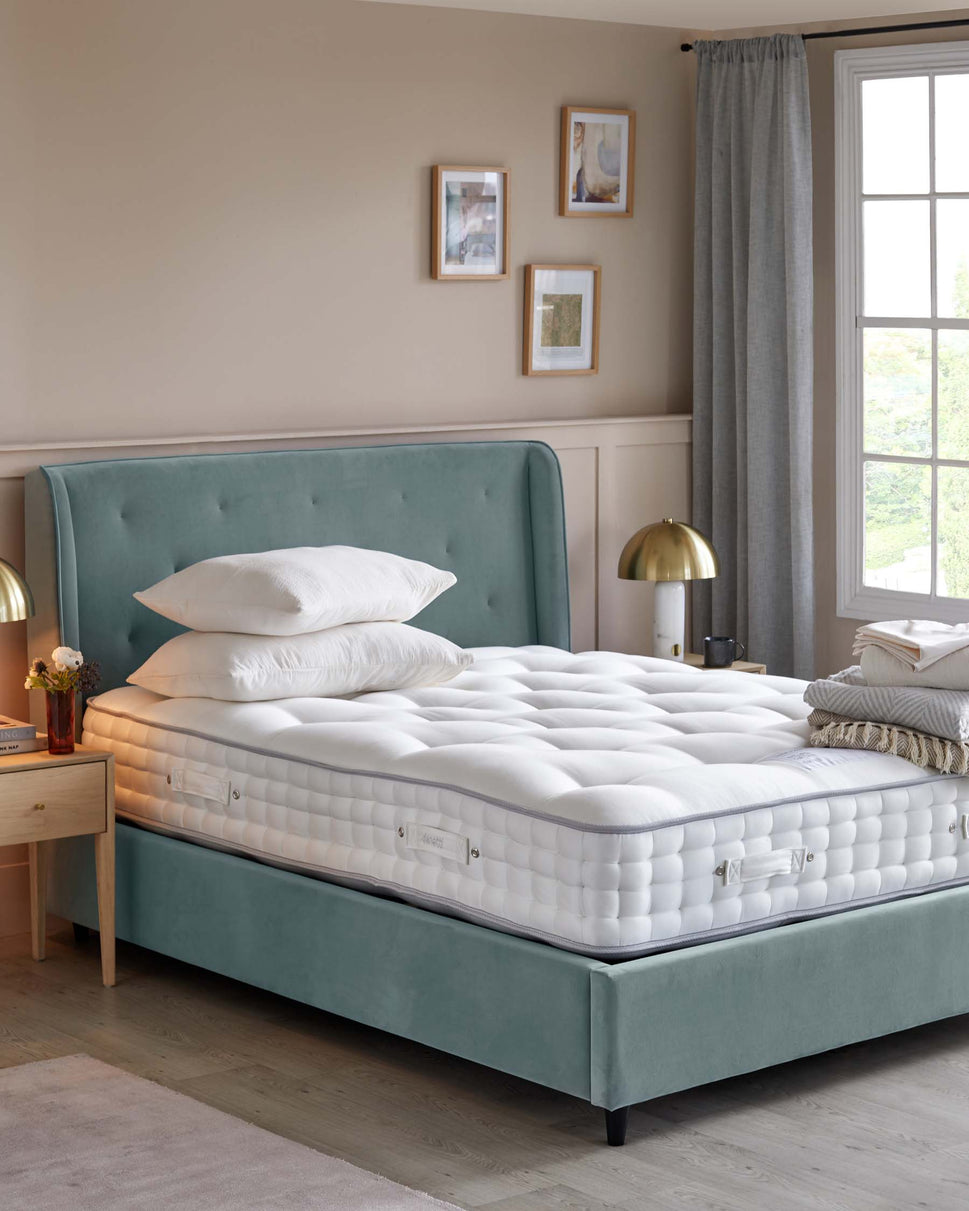
Even the best mattress performs better when paired with the right bed frame.
A supportive bed base helps your mattress work as intended, while your bedroom environment - room temperature to lighting - also plays a role in how well you sleep.
Think of your mattress as one part of a complete sleep space, rather than a standalone purchase.
So, What Actually Matters?
If there’s one thing to take away from these myths, it’s that there’s no single feature that guarantees a better night’s sleep.
Rather than focusing on one specification - whether that’s spring count, firmness or mattress depth - consider how the mattress supports the way you sleep as a whole.
At Danetti, we believe the best mattresses balance supportive construction, breathable materials and lasting comfort, creating a sleep environment that's designed around everyday life rather than marketing claims.
Frequently Asked Questions
Is a firm mattress better for your back?
Not always. The best mattress is one that supports your spine in a neutral position while relieving pressure where your body needs it most.
Are more pocket springs always better?
Higher spring counts can improve support, but the overall construction and comfort layers are just as important.
Does memory foam make you hot?
Older memory foam could retain heat, but many modern mattresses use breathable materials and cooling technologies to improve airflow.
How often should you replace a mattress?
Most quality mattresses last around seven to ten years, although this depends on their construction, use and care.
Should you flip your mattress?
Only if the manufacturer recommends it. Many modern mattresses only need rotating.
Final Thoughts
Mattress shopping can feel confusing, especially when there's so much conflicting advice available.
Understanding the facts behind these common myths makes it much easier to focus on what really matters: choosing a mattress that supports the way you sleep, feels comfortable night after night and continues performing well for years to come.
If you're ready to find the right mattress, our Ultimate Mattress Buying Guide explores everything from firmness and sleeping positions to mattress construction and temperature regulation, helping you choose with confidence.