Skip to content


In an open-plan kitchen diner, your dining chairs and bar stools often sit within the same sightline. Whether you’re enjoying a quick breakfast at the island or gathering around the dining table with friends, these pieces work together to shape how the room looks and feels.
One of the most common design questions is whether bar stools and dining chairs should match. While there isn’t a single right answer, there are a few principles that can help create a space that feels cohesive, considered, and designed around the way you live.
In this guide, we’ll explore how to coordinate bar stools and dining chairs, from matching materials and finishes to styling an open-plan space with confidence.
What This Guide Covers
- Should bar stools match dining chairs?
- Why matching bar stools and dining chairs matters
- Matching vs complementary seating
- Coordinating seating in an open-plan kitchen
- Matching materials, colours and finishes
- Styling ideas for dining chairs and bar stools
- Common mistakes to avoid
- FAQs
Should Bar Stools Match Dining Chairs?
Bar stools and dining chairs don’t have to match exactly, but they should feel connected.
Matching dining chairs and bar stools can create a seamless look, particularly in open-plan spaces where the kitchen island and dining table are close together. But identical pieces aren’t the only route to a cohesive room.
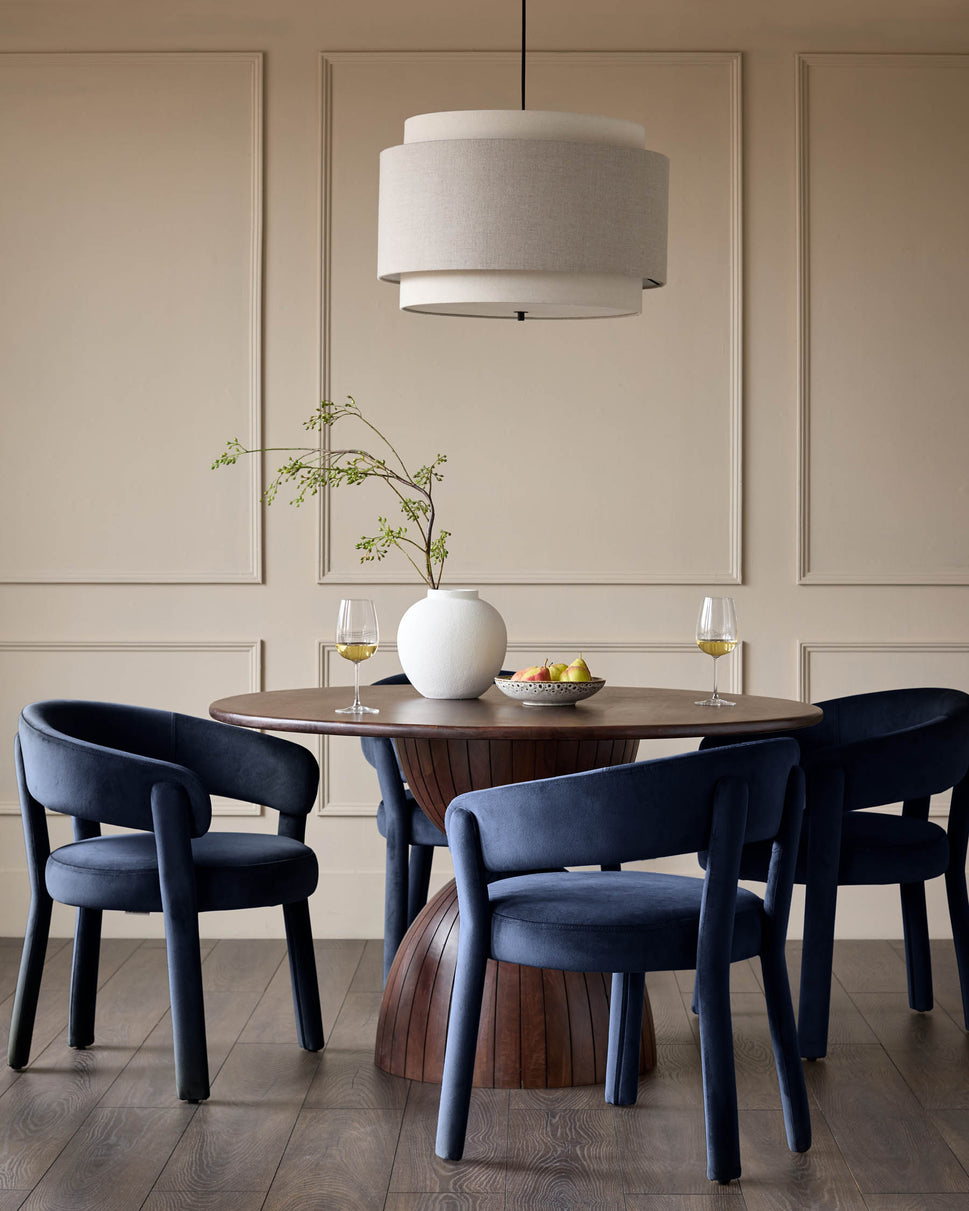
The key is to create a shared design language. This could come through a repeated upholstery material, a similar colour palette, matching leg finishes, or a common shape. When those details are considered, the furniture feels like it belongs together without the room becoming too predictable.
Think of it less as matching everything perfectly, and more as making thoughtful connections.
Why Matching Bar Stools and Dining Chairs Matters
In open-plan homes, furniture is rarely viewed in isolation. Kitchen islands, dining tables, and living areas often sit within the same visual field, which means your seating choices have a bigger impact than you might expect.
When bar stools and dining chairs feel connected, the room feels more resolved. It creates flow between different areas, helps balance the overall scheme, and makes individual pieces feel like part of a wider design story rather than separate decisions.
This is especially important in kitchen diners, where the space often needs to work hard for everyday meals, hosting, homework, coffee, and conversations that stretch long after dinner. Seating should support all of that while still helping the room feel calm and considered.
Matching vs Complementary Seating: Which Works Best?
There are two main approaches when coordinating dining chairs and bar stools: matching or complementary. Both can work beautifully - it depends on the kind of atmosphere you want to create.
Matching Seating
Matching seating uses the same collection, upholstery, or design family across both spaces.
This creates immediate cohesion and works especially well if you want a clean, polished look. It can also make decision-making easier, as the proportions, materials, and finishes have already been designed to work together.
Matching seating is ideal if you prefer:
- A calm and cohesive aesthetic
- A more structured look
- Simplicity when choosing furniture
- A seamless transition between kitchen and dining zones
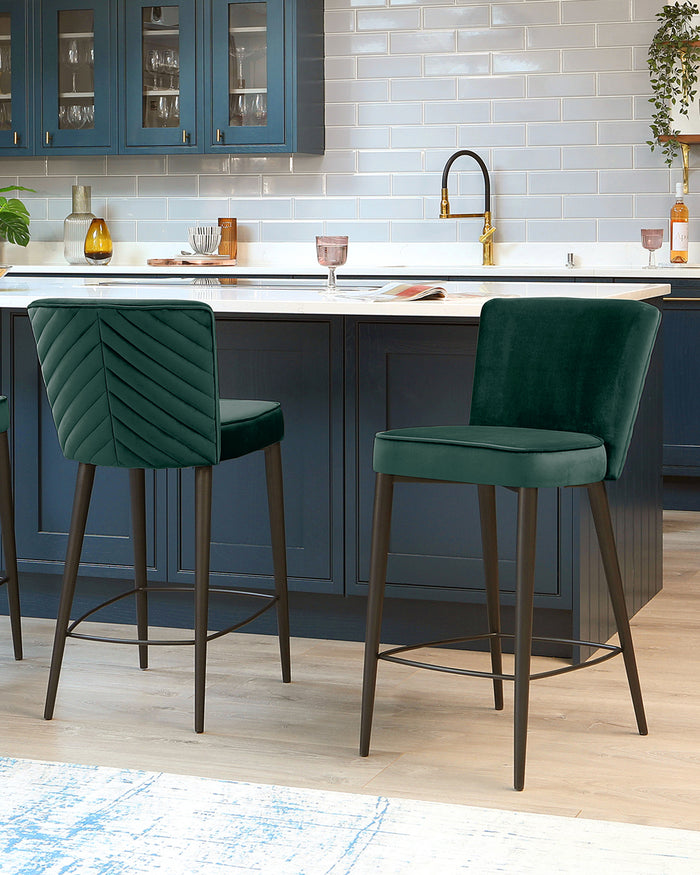
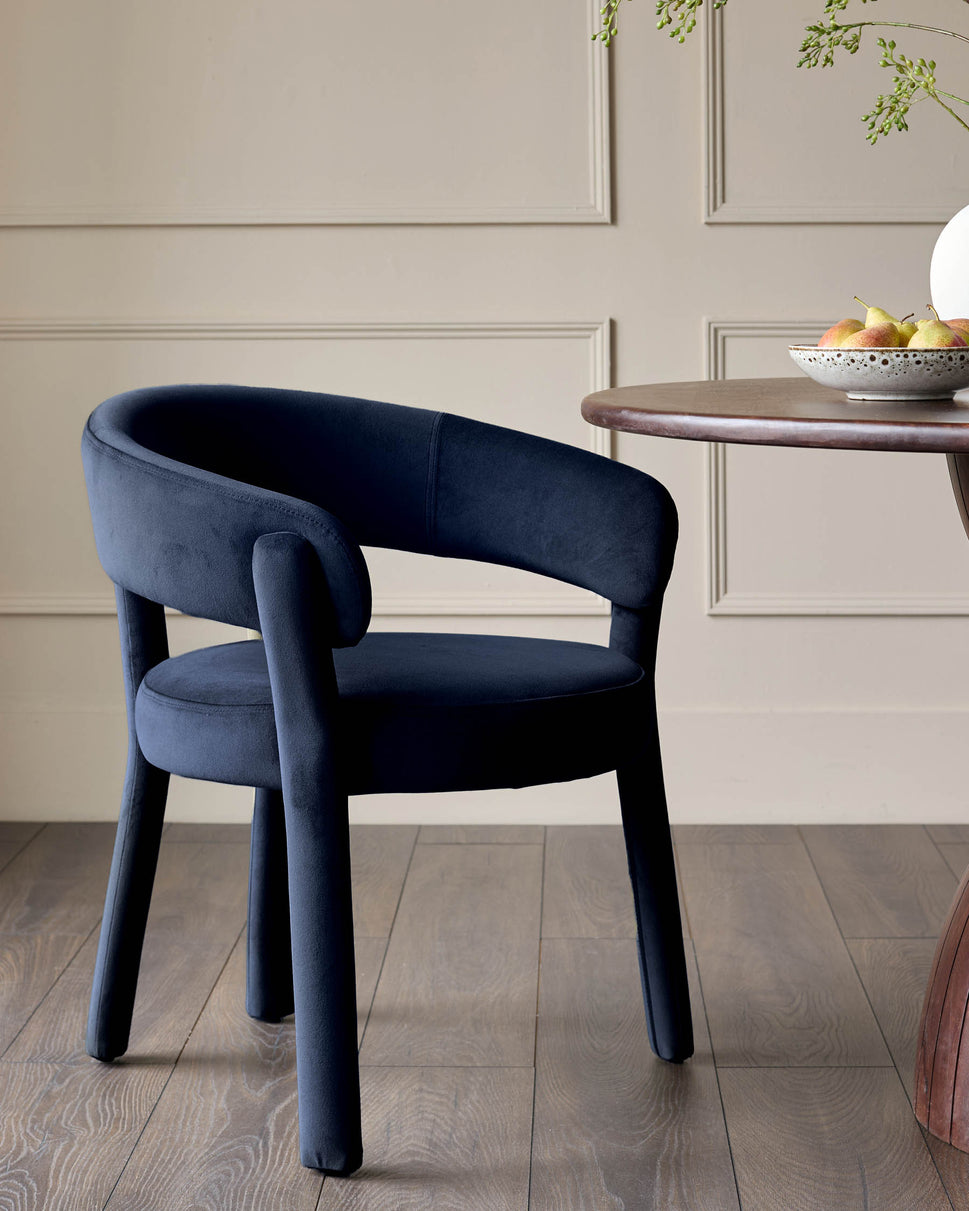
For example, velvet dining chairs paired with matching velvet bar stools can create a refined, unified scheme without needing too much additional styling.
Complementary Seating
Complementary seating introduces more contrast while still maintaining balance.
Rather than choosing identical pieces, you select designs that share one or two details. This might be a similar curve in the backrest, a repeated metal finish, or tones that sit comfortably within the same palette.
You might pair:
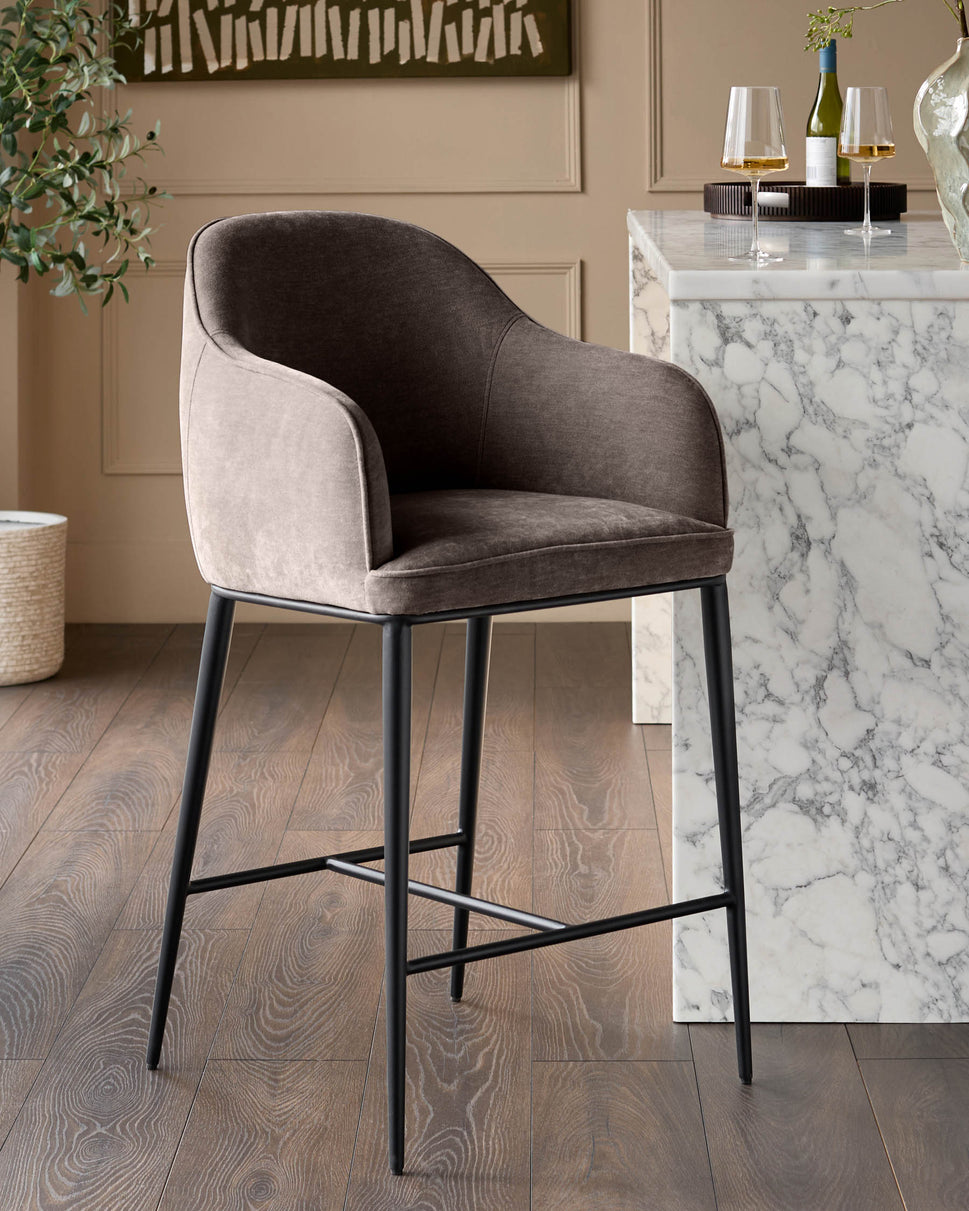
- Curved dining chairs with curved-back bar stools
- Bouclé dining chairs with textured fabric stools
- Faux leather dining chairs with upholstered bar stools in a coordinating tone
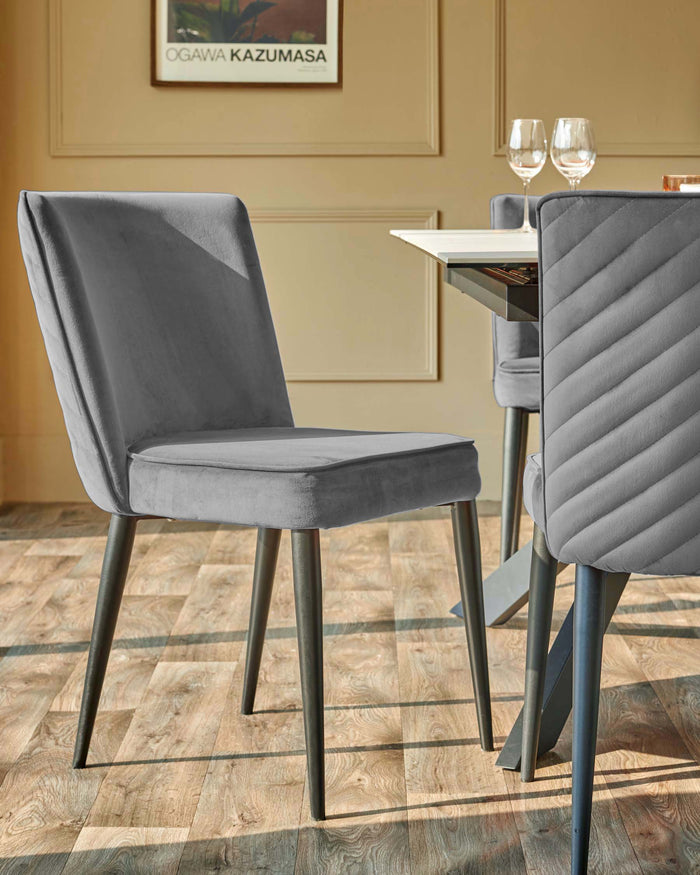
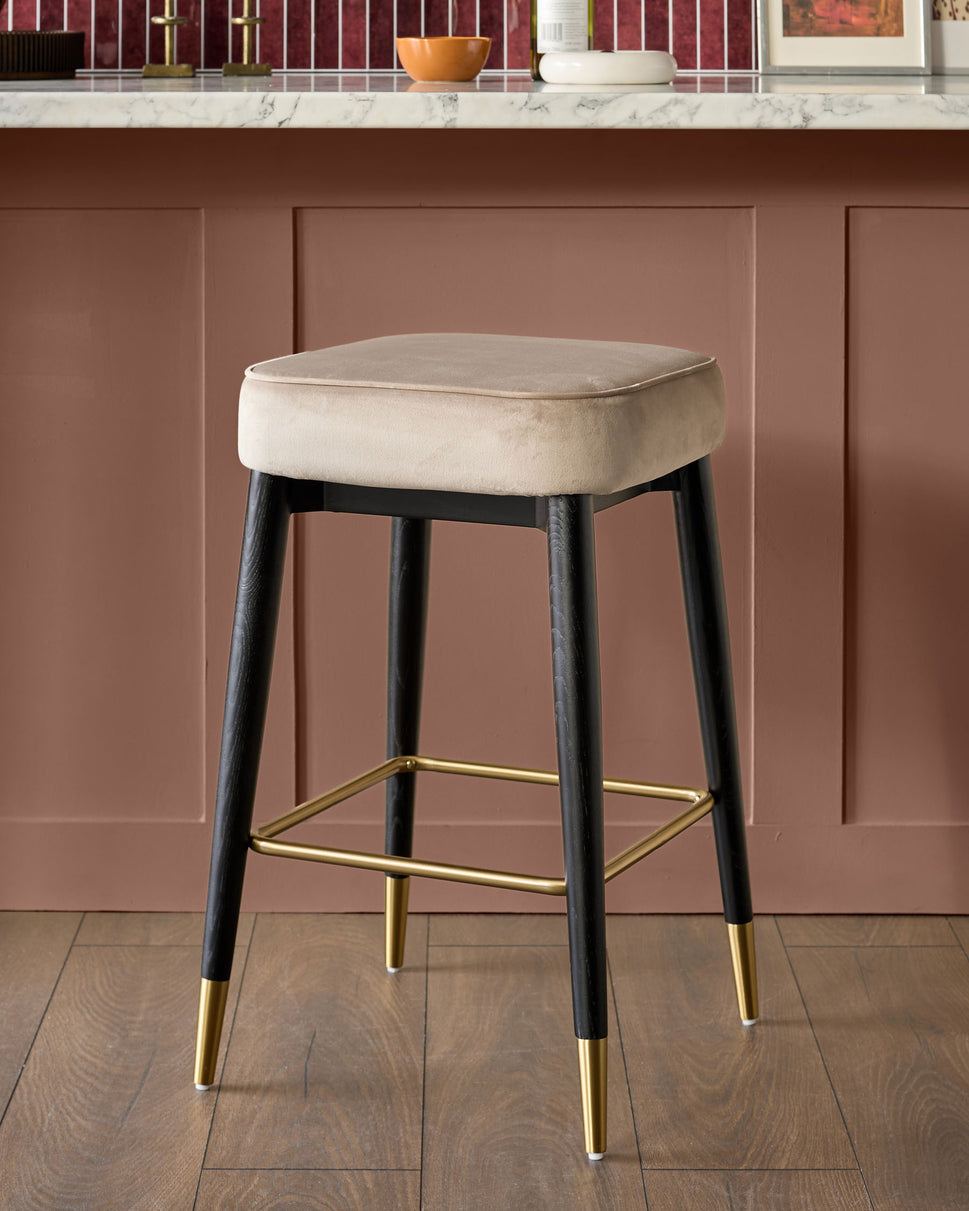
- Dining chairs with black legs alongside bar stools with the same finish
This approach often feels more relaxed and layered, while still looking intentional.
How to Coordinate Bar Stools and Dining Chairs in an Open-Plan Kitchen
Open-plan layouts require furniture to work a little harder.
Because different areas of the room are connected, your seating needs to do more than simply look good. It helps define how the space functions.
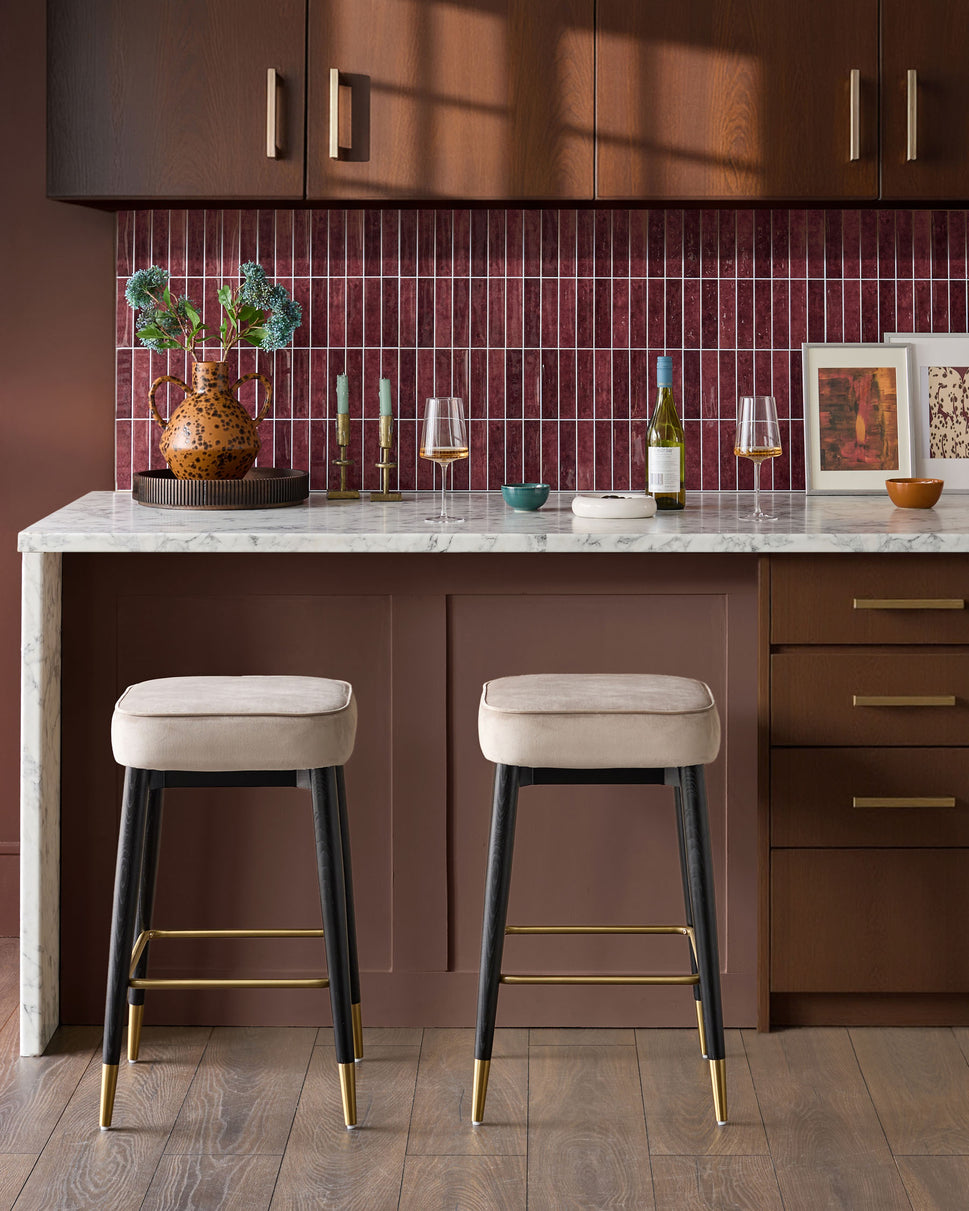
Think about sightlines throughout the room. Where does your eye naturally travel when you enter the space? Which pieces are seen together most often? In many homes, the kitchen island becomes the focal point, with bar stools naturally drawing attention. In others, the dining table takes centre stage.
Once you know which area should lead visually, the rest becomes easier. If your dining chairs are bold and sculptural, choose bar stools that feel quieter and more understated. If your bar stools are the statement, keep your dining chairs softer and more supportive.
Scale matters too. Larger upholstered dining chairs can feel beautifully grounded but pairing them with equally heavy bar stools may make the room feel crowded. A lighter stool profile can create contrast and keep the space feeling open.
The best open-plan interiors feel connected but not overworked. Each zone should have its own purpose while still belonging to the same room.
How to Match Materials, Colours and Finishes
One of the easiest ways to create cohesion between dining chairs and bar stools is through thoughtful repetition of materials, colours, and finishes.
These details may seem subtle, but they are often what make a room feel resolved.
Match Through Upholstery
Repeating upholstery materials is one of the simplest ways to coordinate seating.
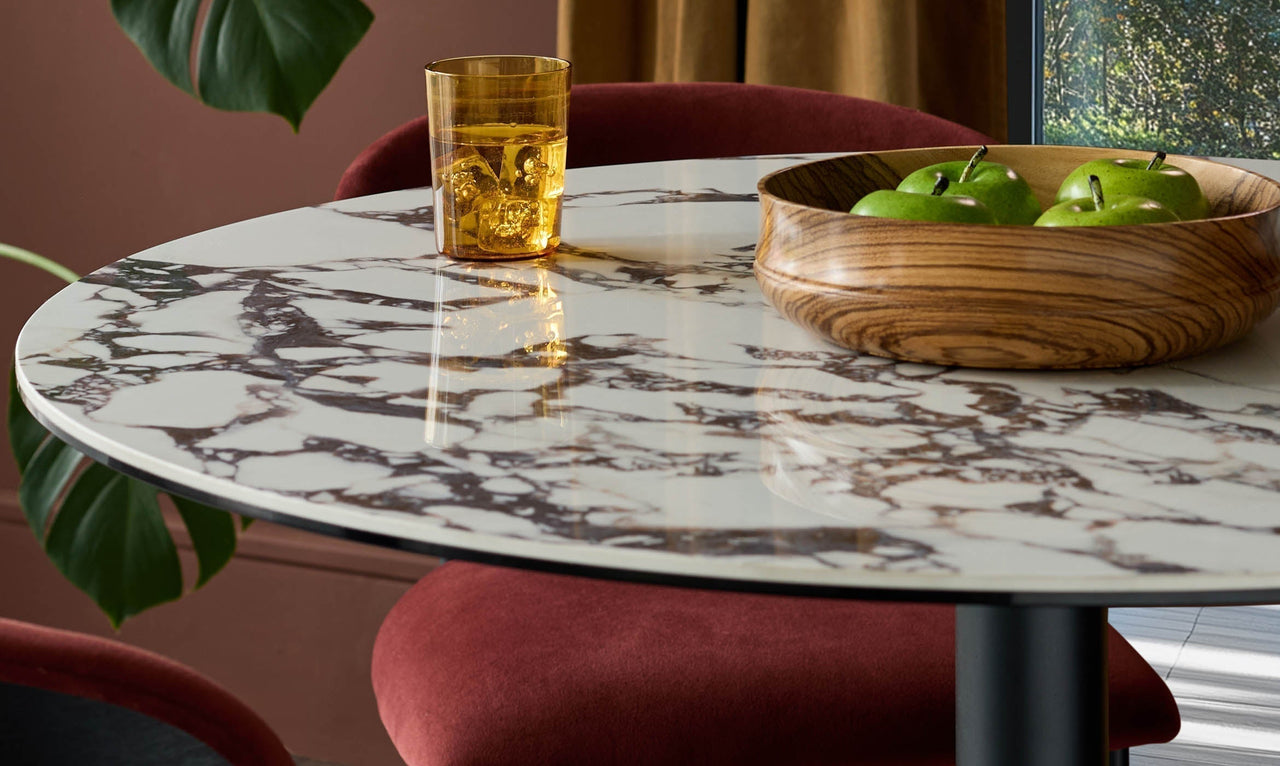
Velvet dining chairs paired with velvet bar stools instantly create continuity, while bouclé, faux leather, or woven fabrics can have the same effect.
The furniture itself doesn’t need to be identical. Sometimes, a shared material does enough work on its own.
Create Cohesion Through Colour
Colour is often the simplest way to create continuity between different seating styles.
You don’t need to choose the exact same shade across every piece. Coordinating tones can feel softer and more natural than a perfect match.
For example:
- Warm taupes with soft greys
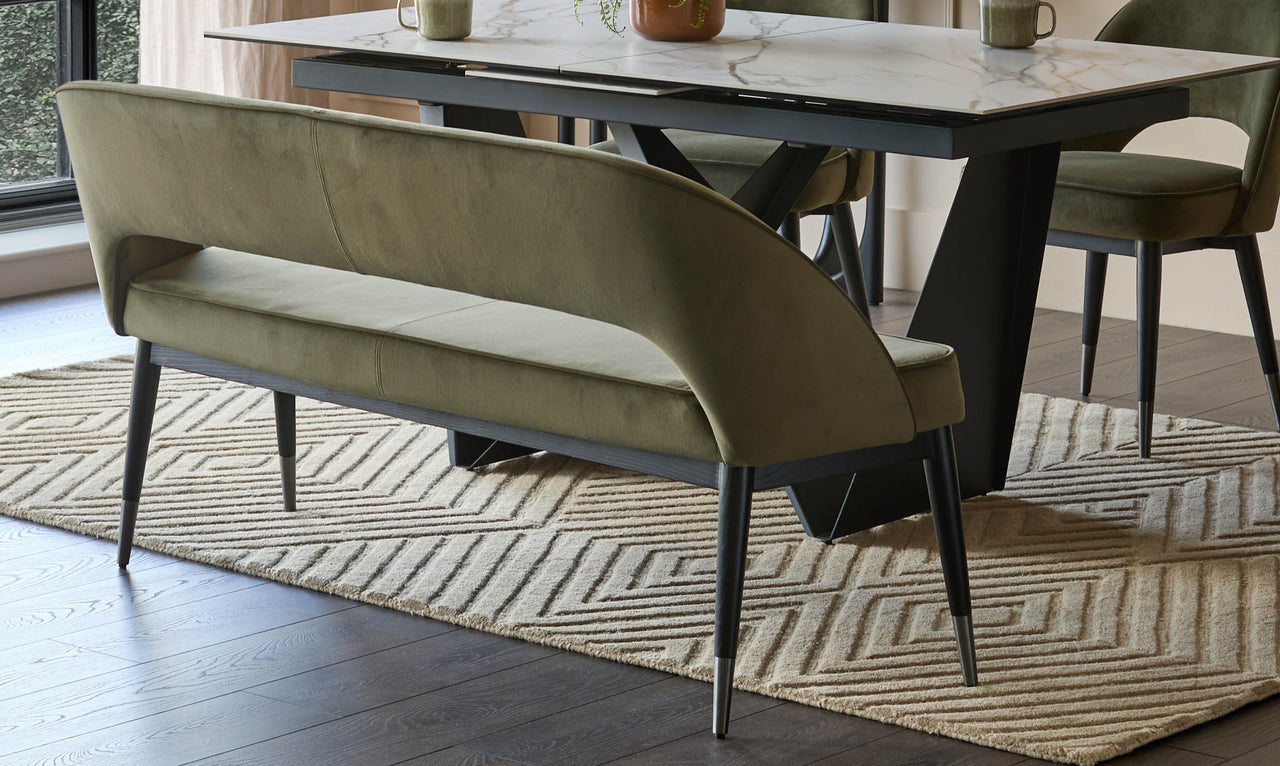
- Olive greens with natural neutrals
- Charcoal with lighter stone tones
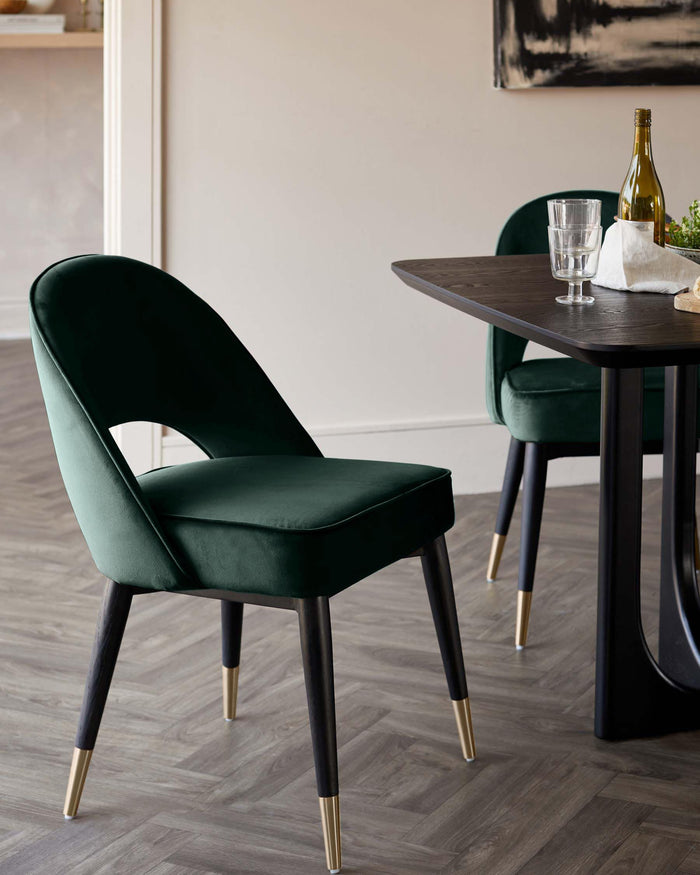
- Cream upholstery with warm wood and brass accents
A considered colour palette helps guide the eye through the room and creates a stronger sense of flow.
Repeat Finishes and Details
Metal finishes are often overlooked, but they can have a significant impact on how cohesive a space feels.
Black metal, brushed brass, chrome, or stainless-steel detailing can all act as a quiet thread between different furniture pieces.
Small repetitions - such as matching leg finishes, similar stitching, or curved edges - help create a more considered overall look.
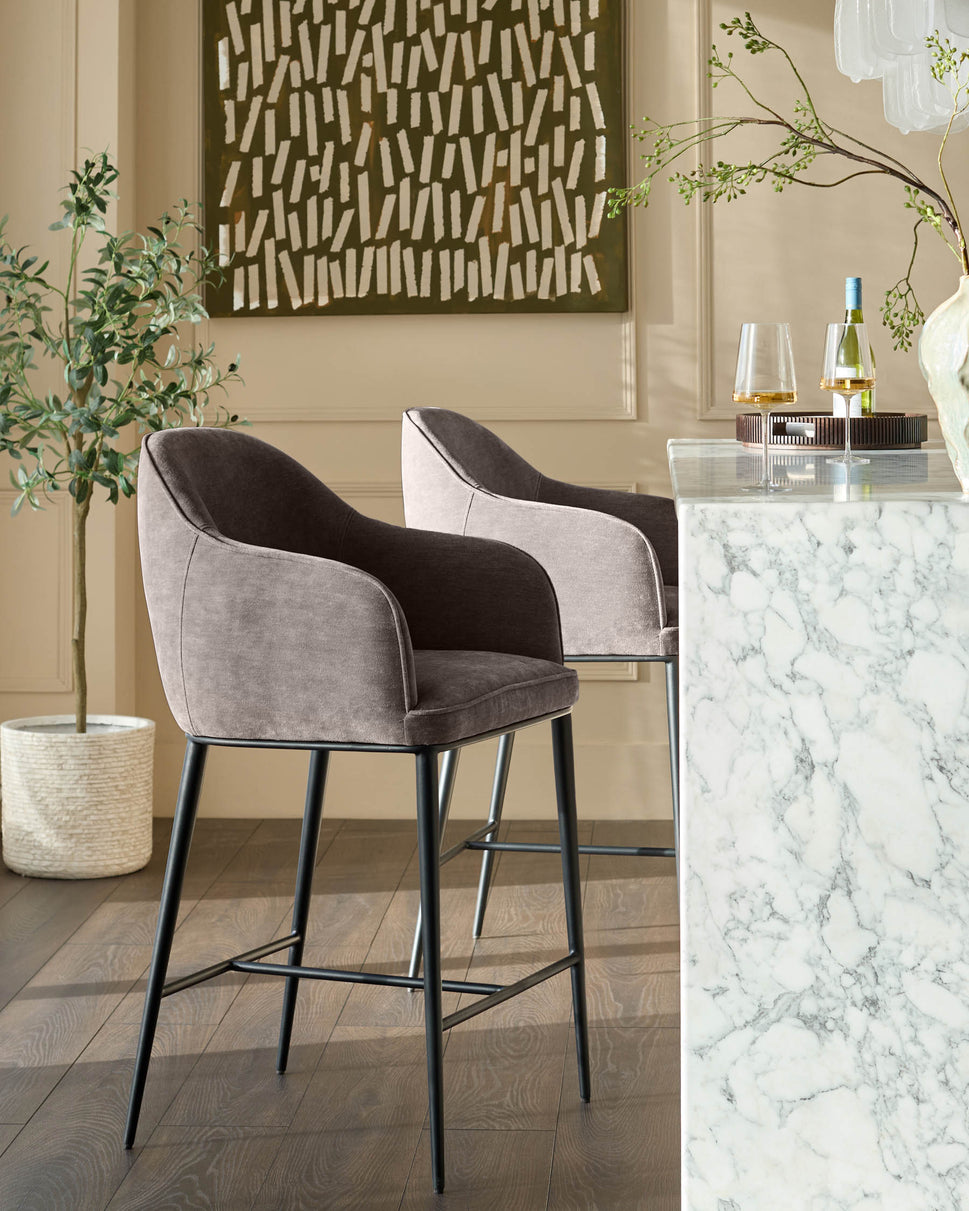
Styling Ideas for Matching Dining Chairs and Bar Stools
Once you’ve established a connection between your seating, styling can help bring the whole space together.
Choose Pieces from the Same Collection
One of the simplest ways to achieve a cohesive look is to choose dining chairs and bar stools from the same furniture range.
Because the shapes, materials, and finishes have already been designed to work together, the result feels effortless and balanced.
This is a particularly good option if you want a clean, modern look or if your kitchen and dining spaces are close together.
Mix Textures for Added Depth
If your interior feels too uniform, introducing a second texture can add richness.
For example, velvet bar stools can sit beautifully alongside woven dining chairs, or smooth faux leather can be paired with tactile bouclé upholstery.
The key is to keep one element consistent, whether that’s colour, shape, or finish. That way, the contrast feels intentional rather than busy.
Use Accessories to Tie the Look Together
If your dining chairs and bar stools aren’t directly related, accessories can help bridge the gap.
Repeating colours or textures through cushions, rugs, artwork, lighting, or decorative objects can strengthen the connection between different seating areas.
This approach works especially well in larger open-plan spaces, where furniture may be positioned further apart.
Let the Architecture Guide You
The strongest interior schemes respond to the room itself.
Look at the existing materials and finishes in your space, from flooring and cabinetry to lighting and hardware. If you already have brushed brass pendants, black-framed doors, or warm wood flooring, use those details as styling cues.
Repeating those finishes across your seating helps everything feel more integrated and intentional.
Let One Piece Lead
Not every piece needs to make a statement.
If your bar stools are bold, your dining chairs can be more understated. If your dining chairs are the focal point, let your stools support the scheme quietly.
This creates balance, which is often more effective than making every item compete for attention.


Common Mistakes When Matching Bar Stools and Dining Chairs
Creating a cohesive space doesn’t mean everything needs to look the same. In fact, some of the most common styling mistakes come from trying too hard to match every detail.
Try to avoid:
- Introducing too many competing colours or materials
- Choosing statement pieces that compete for attention
- Ignoring smaller details such as leg finishes and metalwork
- Treating the kitchen and dining areas as unrelated spaces
- Choosing pieces based on trends rather than how the room functions day to day
- Making every item identical when the space would benefit from contrast
The most successful interiors balance consistency with character. Each piece should contribute to the overall look without overwhelming the room.
FAQs
Should bar stools match dining chairs?
They don’t need to match exactly. Matching seating creates a clean, cohesive look, while complementary styles can add more depth and character. The best choice depends on the overall feel you want to create.
Can you mix different dining chairs and bar stool styles?
Yes. Mixing styles can work beautifully when the pieces share common colours, materials, finishes, or design details. This helps the scheme feel layered rather than disconnected.
What colour bar stools go with dining chairs?
Look for colours that already appear elsewhere in the room. Coordinating tones often feel more refined than exact colour matching. Neutrals, warm earthy shades, soft greys, and darker accents all work well depending on your wider palette.
Should kitchen island stools match the dining table?
They don’t need to match the dining table exactly, but they should feel connected to the wider space. Shared materials, repeated finishes, or complementary colours can help create flow between the kitchen island and dining area.
How do you style bar stools in an open-plan kitchen?
Look at the room as a whole rather than styling each zone separately. Repeating colours, textures, and finishes across your bar stools, dining chairs, lighting, and accessories will help the space feel cohesive while still allowing each area to have its own purpose.
Is it better to match or contrast dining chairs and bar stools?
Both approaches can work. Matching creates a more seamless look, while contrast can make the room feel more layered and designed. If you choose contrast, keep at least one element consistent, such as colour, material, or leg finish.
Final Thoughts
Matching bar stools and dining chairs isn’t about creating a room where everything looks identical.
It’s about creating a sense of connection.
Whether you prefer matching seating or a more layered combination of complementary pieces, thoughtful repetition of colours, materials, and finishes will help the space feel balanced and cohesive.
Because when every piece feels like it belongs, the room feels more considered - and ultimately, more enjoyable to live in.