 Skip to content


Faux leather has become a popular upholstery choice for modern homes. It offers the timeless look of leather with a practical, easy-care finish that's well suited to everyday living.
Whether you've chosen faux leather dining chairs, bar stools or a sofa, a little regular maintenance will help keep it looking its best for years to come.
The good news? Caring for faux leather is straightforward. By following a few simple habits and using the right cleaning methods, you can help prevent cracking, peeling and everyday wear while preserving the finish of your furniture.
What This Guide Covers
- What faux leather is
- How to care for faux leather furniture
- How to clean faux leather
- Caring for faux leather sofas, dining chairs and bar stools
- Removing everyday stains
- How to prevent cracking and peeling
- Common faux leather care mistakes
- Frequently asked questions
What Is Faux Leather?
Faux leather is a synthetic upholstery material designed to replicate the appearance and feel of genuine leather. Most modern faux leathers are made using a fabric backing with a polyurethane (PU) coating, creating a durable, easy-to-clean surface that's particularly well suited to busy homes.
Unlike genuine leather, faux leather has a non-porous surface. This means it doesn't absorb moisture in the same way, making it naturally more resistant to everyday spills and easier to wipe clean.
It's one of the reasons faux leather is such a popular choice for dining furniture, kitchen seating and family living spaces.

Why Faux Leather Needs Different Care to Real Leather
Although faux leather looks similar to genuine leather, the two materials behave very differently.
Real leather contains natural fibres that benefit from regular conditioning, while faux leather has a protective synthetic coating that doesn't absorb products in the same way.
For everyday care, this means:
- Use a soft microfibre cloth for regular cleaning.
- Avoid harsh household chemicals or abrasive cleaners.
- Don't saturate the surface with water.
- Always use products suitable for faux leather where recommended.
Keeping your cleaning routine simple is often the best way to maintain the finish.
How to Care for Faux Leather Furniture
Looking after faux leather isn't about intensive cleaning - it's about consistent maintenance.
A few simple habits will help keep your furniture looking fresh while reducing everyday wear.
Weekly Care
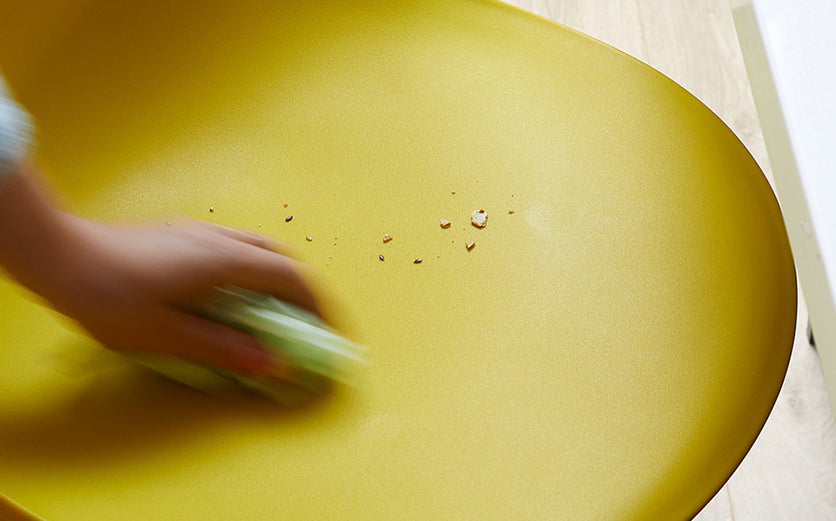
Dust the surface with a dry microfibre cloth before wiping it with a slightly damp cloth to remove everyday dirt and body oils.
If your furniture has stitched seams or textured detailing, use the soft brush attachment on your vacuum to remove dust from harder-to-reach areas.
Deal With Spills Quickly
Accidents happen, particularly around dining tables and kitchen islands.
Blot spills immediately using a clean, absorbent cloth rather than rubbing them into the surface. Once the spill has been removed, wipe the area with a lightly damp cloth before drying thoroughly.
Deep Cleaning
Every few months, give your furniture a more thorough clean using a specialist faux leather cleaner or a mild soap solution, following the manufacturer's instructions.
Always finish by drying the surface with a clean cloth.
How to Care for Faux Leather Sofas, Dining Chairs and Bar Stools
Different furniture experiences different kinds of wear. Understanding how each piece is used helps you care for it more effectively.
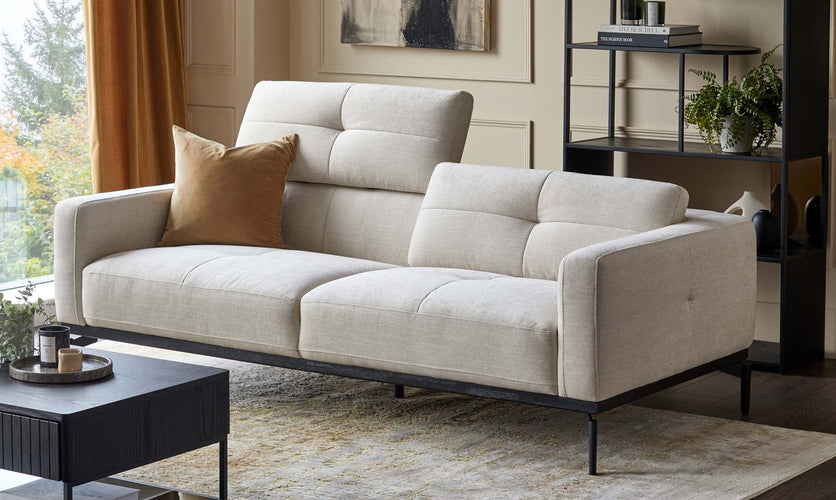
Faux Leather Sofa Care
A faux leather sofa naturally collects dust, body oils and everyday marks through regular use.
Vacuum around cushions and seams regularly before wiping the upholstery with a damp microfibre cloth. If removable cushions are included, rotate them occasionally to encourage even wear.
Keeping sofas away from prolonged direct sunlight and heat sources will also help preserve the finish over time.
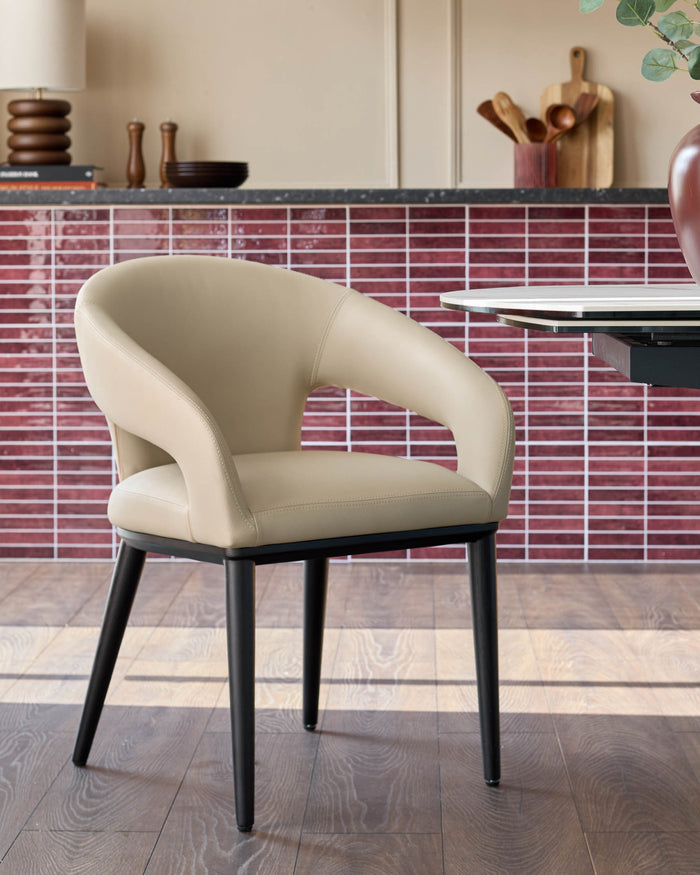
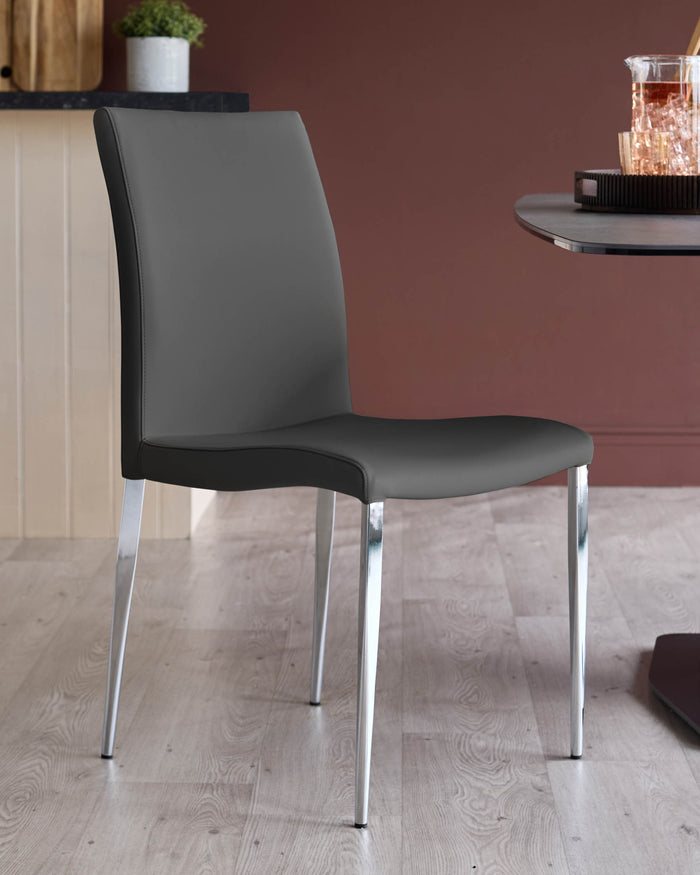
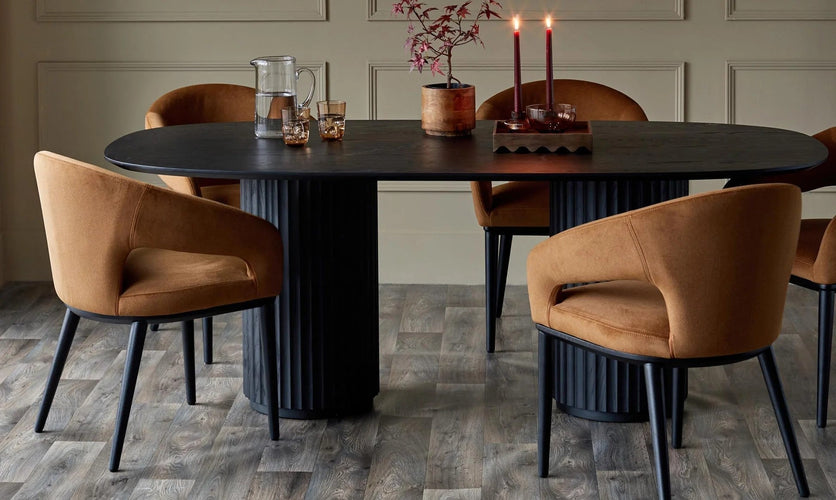
Faux Leather Dining Chair Care
Dining chairs often experience the highest levels of daily use.
Food splashes, hand contact and frequent movement mean they're best maintained with little and often cleaning.
A quick wipe after meals, combined with regular dusting around stitching and seat edges, is usually enough to keep them looking their best.
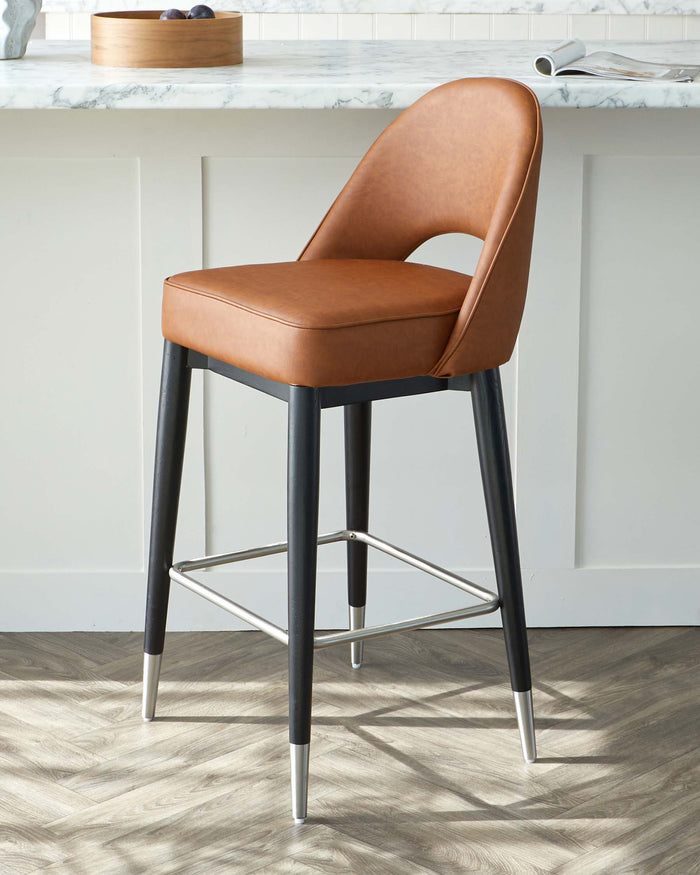
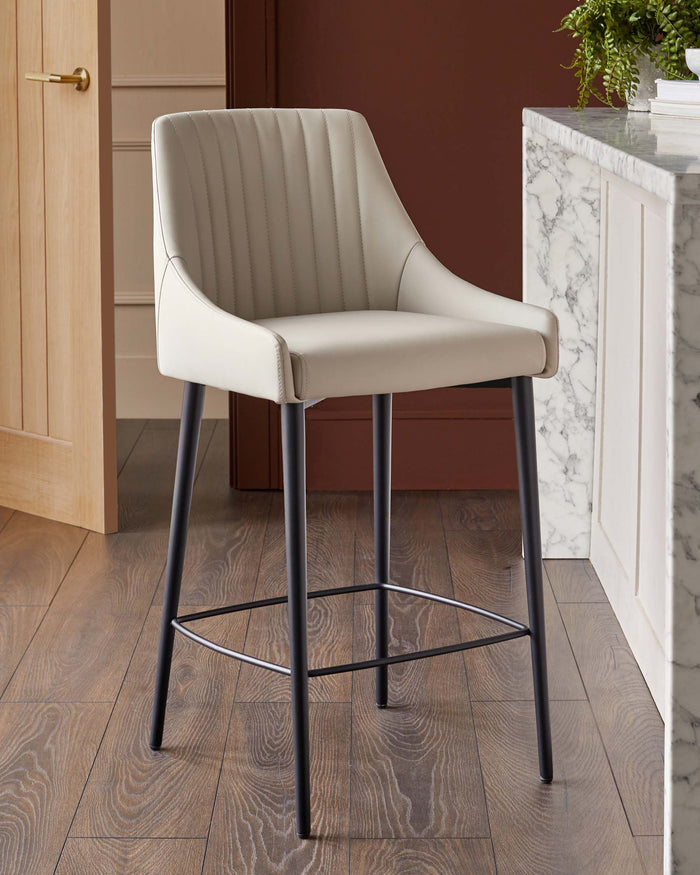
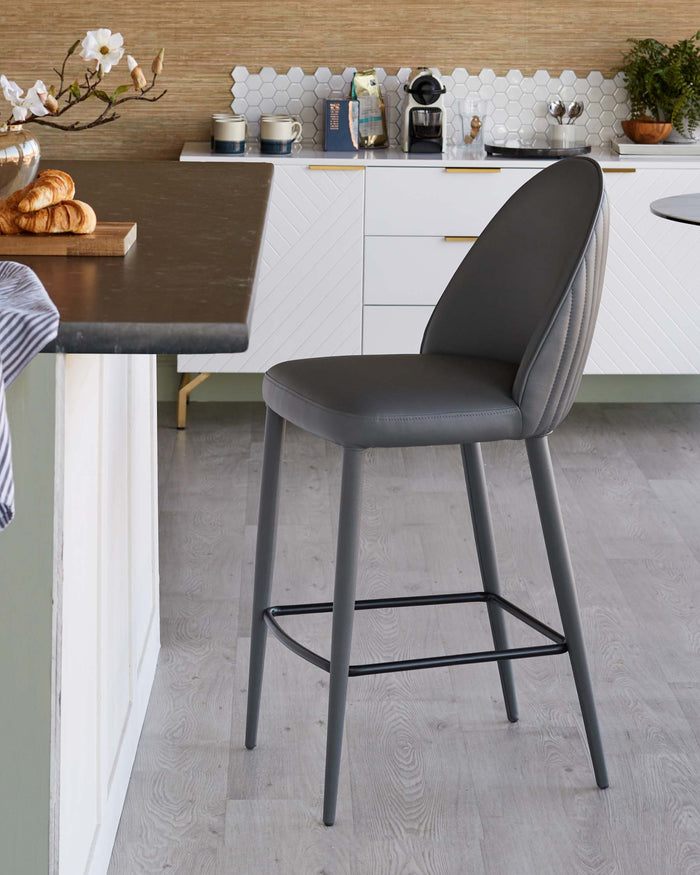
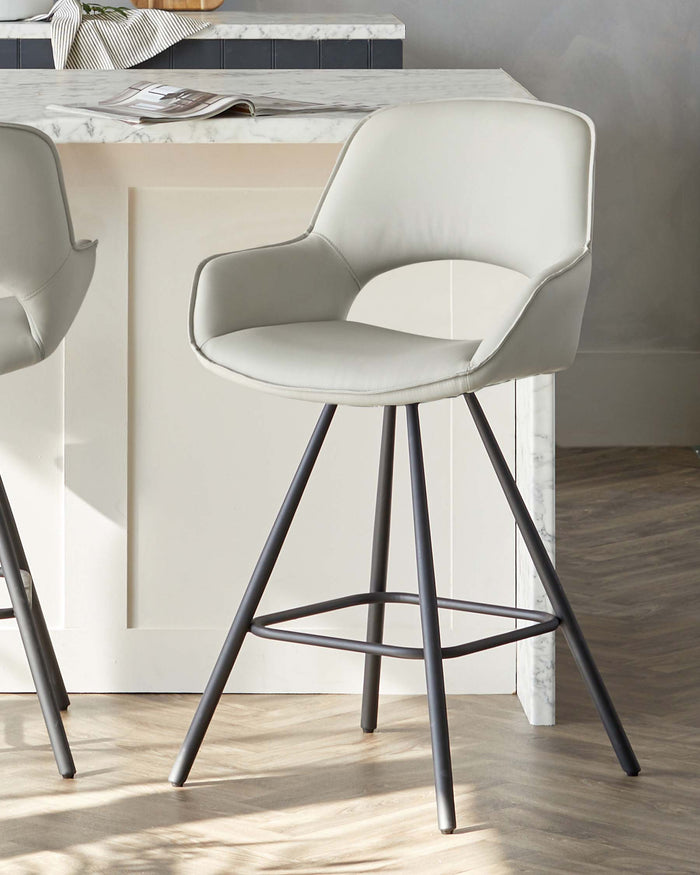
Faux Leather Bar Stool Care
Kitchen islands quickly become the social heart of the home, meaning bar stools are often in constant use.
Pay particular attention to the front edge of the seat and the backrest, where contact is greatest.
Cleaning these high-touch areas regularly prevents the gradual build-up of oils and everyday marks.

How to Remove Common Faux Leather Stains
Most everyday marks can be removed without specialist products if they're dealt with quickly.
Food and Drink
Blot immediately before wiping gently with a damp cloth.
Grease Marks
Use a small amount of mild soap on a damp cloth before wiping the surface clean.
Ink
Ink can permanently stain faux leather if left too long.
Remove fresh marks carefully using a suitable faux leather cleaner and always test any product on an inconspicuous area first.
Avoid harsh solvents or bleach-based products, as these can permanently damage the finish.
How to Prevent Faux Leather Cracking and Peeling
One of the most common questions people ask is whether faux leather cracks.
The answer is yes - but it's usually the result of environmental conditions or poor maintenance rather than everyday use.
To help prevent cracking:
- Keep furniture away from direct sunlight.
- Avoid positioning it close to radiators or fireplaces.
- Clean regularly to remove dirt and body oils.
- Avoid harsh cleaning chemicals.
- Don't allow moisture to sit on the surface for extended periods.
Small habits like these can make a noticeable difference to how faux leather ages over time.
Can Faux Leather Be Repaired?
Minor scuffs and surface marks can often be improved using specialist repair products designed specifically for faux leather.
However, if the material has begun peeling or cracking extensively, repairs are usually only temporary. In these cases, replacing the upholstery or the furniture itself is often the most effective long-term solution.

Where Should You Avoid Placing Faux Leather Furniture?
Your furniture's environment plays a significant role in how well it ages.
Where possible, avoid positioning faux leather furniture:
- In prolonged direct sunlight.
- Next to radiators or fireplaces.
- Against strong heat sources.
- In areas with excessive humidity.
Heat and UV exposure can gradually dry the surface, increasing the likelihood of cracking over time.
Common Faux Leather Care Mistakes
Avoid these common mistakes:
- Using bleach or harsh household cleaners.
- Scrubbing stains aggressively.
- Leaving spills to dry naturally.
- Using excessive amounts of water.
- Placing hot cookware directly onto the surface.
- Positioning furniture directly beside radiators or fireplaces.
Gentle, consistent care will always deliver better results than occasional intensive cleaning.
Faux Leather Maintenance Checklist
Task | Recommended Frequency |
Dust furniture | Weekly |
Wipe surfaces clean | Weekly |
Clean spills | Immediately |
Deep clean | Every 3–6 months |
Check for signs of wear | Twice a year |
Frequently Asked Questions
How do you clean faux leather furniture?
For everyday cleaning, wipe the surface with a soft microfibre cloth dampened with warm water. For tougher marks, use a mild soap solution or a cleaner specifically designed for faux leather.
Can faux leather be washed?
You shouldn't soak faux leather in water, but it can be cleaned safely using a damp cloth and gentle cleaning solution.
Can faux leather crack?
Yes. Over time, prolonged exposure to sunlight, heat and harsh cleaning products can cause faux leather to dry out and crack.
Can faux leather peel?
It can. Peeling is usually caused by age, environmental conditions or damage to the protective surface layer.
Can you use leather conditioner on faux leather?
Only use products specifically recommended for faux leather. Genuine leather conditioners are not always suitable because faux leather has a synthetic surface that behaves differently.
How long does faux leather last?
With regular care and sensible placement away from heat and direct sunlight, good-quality faux leather furniture can continue looking great for many years. Longevity will vary depending on the quality of the material and how frequently it's used.
Final Thoughts
Faux leather is designed to make everyday living easier. It's durable, easy to maintain and well suited to modern homes where furniture needs to balance practicality with great design.
By following a simple care routine, cleaning spills promptly and protecting your furniture from excessive heat and sunlight, you'll help preserve its appearance for years to come.
Because the best furniture isn't just designed to look good on the day it arrives - it should continue to feel considered, comfortable and ready for everyday life long into the future.

Thank you for this information it was very helpful