Skip to content
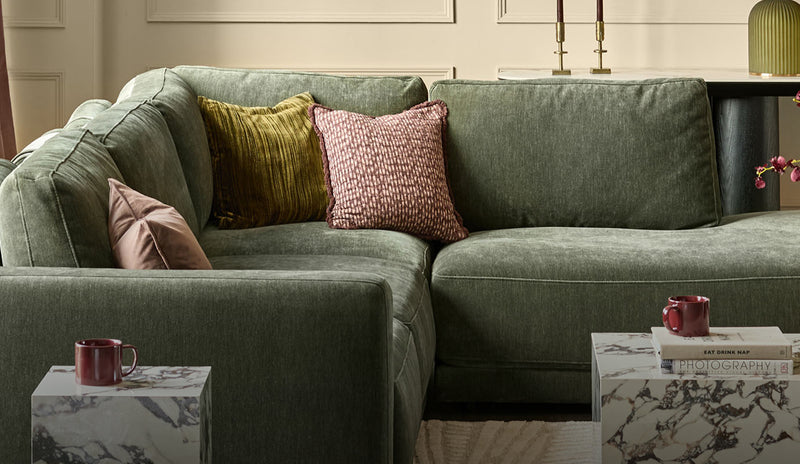
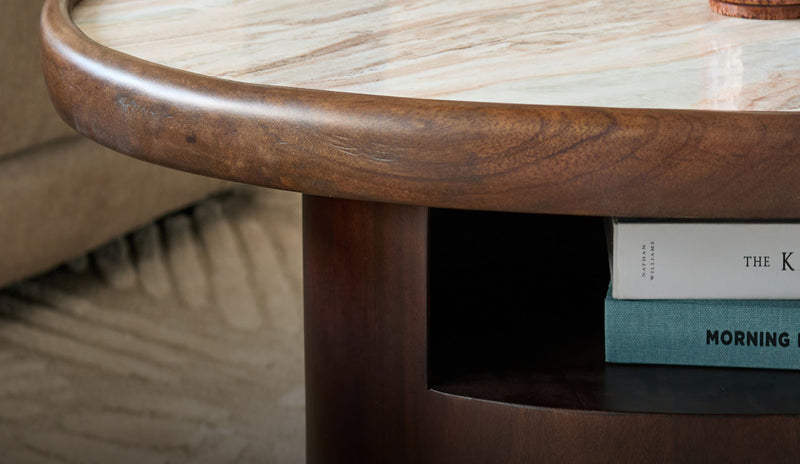


Wood furniture brings warmth, character and natural texture into your home. Whether it's a solid wood dining table, a statement sideboard or a beautifully crafted bedside table, it's a material that only becomes more characterful with time.
Unlike many manufactured finishes, wood naturally evolves as it ages. Subtle changes in tone and grain are all part of its appeal. With the right care, these pieces don't simply last longer – they develop a richness and individuality that make them uniquely yours.
The good news is that caring for wood furniture doesn't require expensive products or complicated routines. A little regular maintenance, combined with the right cleaning techniques, is all it takes to preserve both the beauty of the timber and the craftsmanship behind it.
What This Guide Covers
- Understanding different wood finishes
- How to clean wood furniture
- Everyday wood furniture care
- Removing stains and scratches
- Polishing and conditioning wood
- Caring for wooden dining tables, storage furniture and bedside tables
- Protecting wood furniture from everyday wear
- Common wood furniture care mistakes
- Frequently asked questions
Understanding Your Wood Finish
Before reaching for a cleaning product, it's worth understanding what type of finish your furniture has. Different finishes require slightly different care routines.
Finished Wood
Most contemporary wood furniture has a protective lacquer or varnish applied to the surface. This helps guard against everyday spills and makes regular cleaning straightforward using a soft cloth and a gentle wood-safe cleaner.
Oiled Wood
Oiled wood has a more natural appearance and tactile feel. Rather than sitting on top of the timber, the oil penetrates the surface, helping nourish the wood while allowing its natural grain to remain visible.
Over time, oiled wood may benefit from occasional reconditioning to maintain its richness and prevent the timber from drying out.
Understanding which finish your furniture has will help you choose the right cleaning products while avoiding unnecessary damage.

How to Clean Wood Furniture
Start With Regular Dusting
The simplest way to care for wood furniture is also the most effective.
Dust may seem harmless, but over time it acts like a fine abrasive, gradually dulling the finish every time objects move across the surface.
Dust your furniture weekly using a soft microfibre cloth. Unlike feather dusters, which often redistribute dust, a microfibre cloth traps particles without scratching the finish.
For additional protection, lightly dampen the cloth before wiping, then immediately dry the surface with a second clean cloth to prevent moisture sitting on the wood.
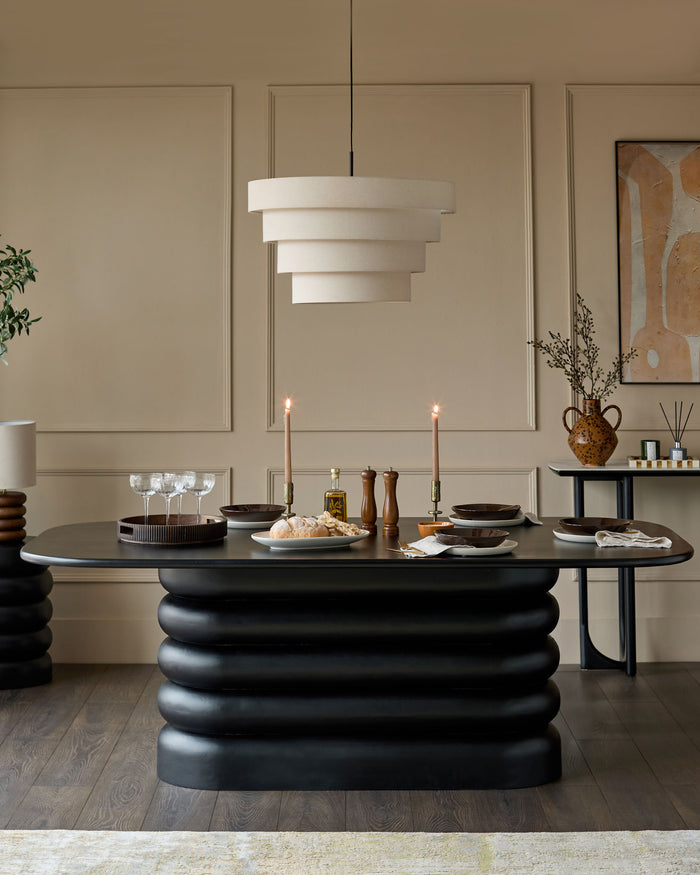
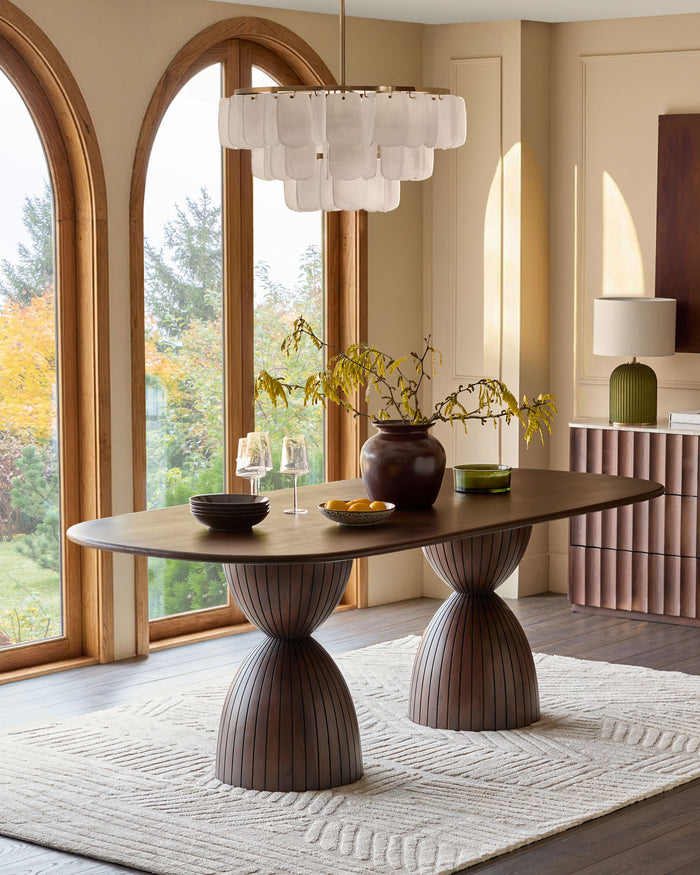
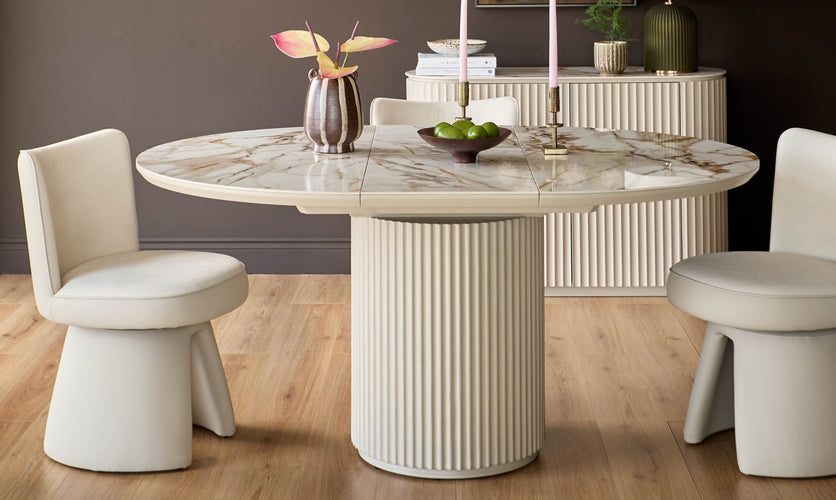
If your furniture features detailed joinery, slatted panels or decorative grooves, like our Malin dark wood dining table, a soft-bristled brush can help remove dust from areas your cloth can't easily reach.
Choose the Right Cleaning Products
Not every household cleaner is suitable for wood furniture.
Products containing ammonia, bleach, silicone or abrasive chemicals can gradually damage protective finishes, leaving surfaces looking dull or attracting even more dust over time.
Instead, choose a cleaner specifically formulated for wood, or make a simple cleaning solution using a few drops of mild washing-up liquid diluted in warm water.
Apply the solution using a soft cloth, always wiping in the direction of the wood grain before drying the surface immediately afterwards.
Whenever you use a new product, test it first on an inconspicuous area, like the underside of our Emerson dining chairs.
How Often Should You Clean Wood Furniture?
Looking after wood furniture is less about deep cleaning and more about consistent maintenance.
As a guide:
| Task | Recommended Frequency |
|---|---|
| Dust with a microfibre cloth | Weekly |
| Wipe with a wood-safe cleaner | Monthly or when required |
| Polish finished wood | Every 3–6 months |
| Re-oil oiled wood | As recommended by the manufacturer |
| Check for signs of wear | Twice a year |
Small, regular habits will help preserve your furniture far more effectively than occasional intensive cleaning.

Removing Stains and Marks
Even with the best care, everyday life occasionally leaves its mark.
The key is to deal with stains promptly before they have a chance to settle into the finish.
Water Marks
Water rings are one of the most common marks on wooden furniture.
For light marks, gently buff the affected area using a specialist wood care product designed for your furniture's finish. If you spot light water marks on your own wood dining table or shelf, gently rub a small amount of non-gel toothpaste, or a paste of baking soda and water, onto the area with a soft cloth, then wipe clean and buff dry.
Avoid leaving glasses, mugs or plant pots directly on timber surfaces without protection.
Food and Grease
Clean spills as soon as possible using a slightly damp cloth before drying the surface immediately afterwards.
Avoid allowing oils or strongly coloured foods to remain on the wood for extended periods.
Scratches
Minor surface scratches can often be improved using specialist wood repair products appropriate for your furniture's finish.
For deeper scratches or structural damage, it's always best to seek advice from a professional furniture restoration specialist.
Polish and Condition for Long-Term Protection
Once your wood furniture is clean, occasional polishing or conditioning helps maintain its appearance while providing additional protection.
Finished wood generally benefits from polishing every few months using a quality furniture polish or wax applied in thin, even layers.
For oiled wood, a nourishing conditioning oil helps replenish the timber, preventing it from drying out while enhancing the depth and richness of the grain.
Less is often more. Applying too much polish can leave a residue that attracts dust rather than protecting the surface.
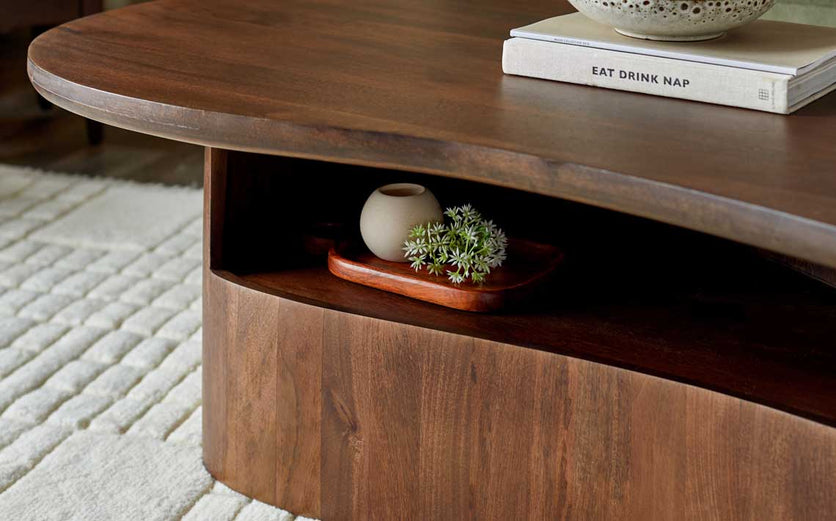
If you own unfinished or oiled wood furniture - like most dark wood pieces - a dedicated wood conditioner or nourishing oil will help keep the material from drying out and cracking. Conditioning also brings out the natural depth and richness of darker wood tones, accentuating their striking appearance over time.

Caring for Different Types of Wood Furniture
Different pieces experience different kinds of everyday use.
Understanding how each item is used helps you care for it more effectively.
Wooden Dining Tables
Dining tables experience constant daily use, making them one of the hardest-working pieces in the home.
Use placemats, coasters and trivets to protect the surface from heat, moisture and scratches, and wipe away food spills promptly after meals.
Regular cleaning helps preserve the finish while allowing the natural beauty of the wood to remain the focal point.
Wooden Sideboards and Storage Furniture
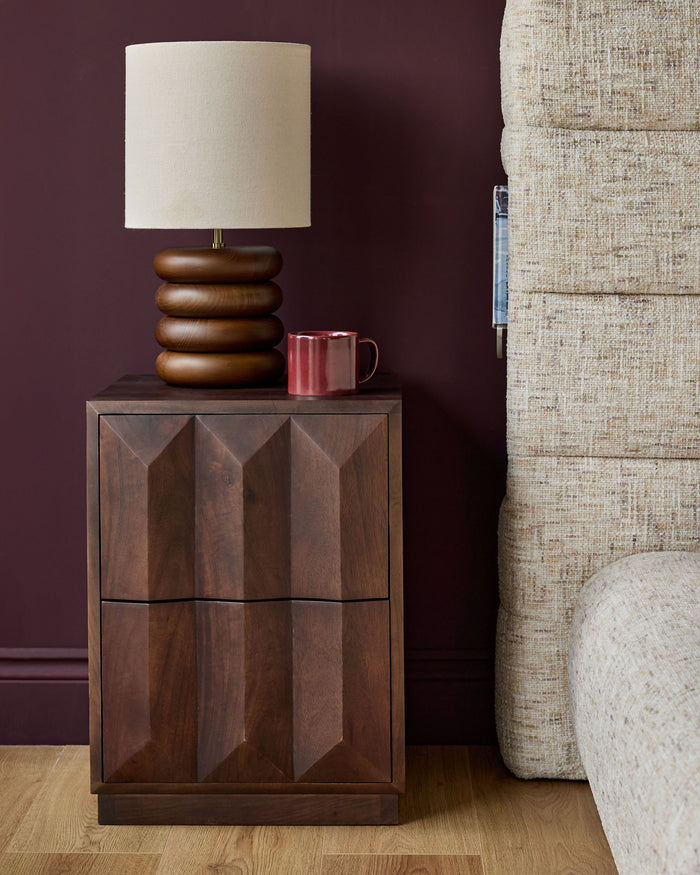
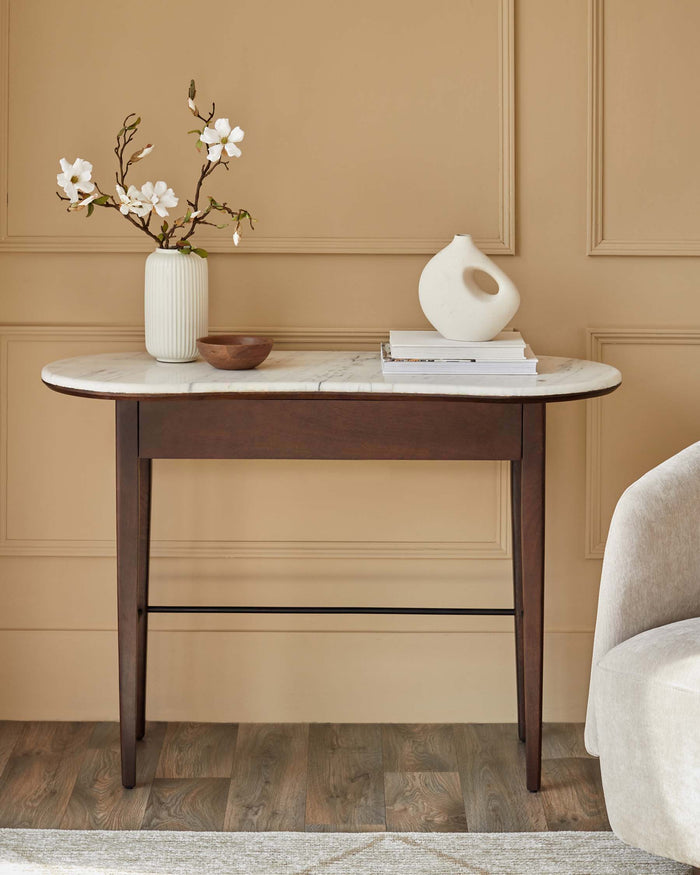
Storage furniture often supports decorative accessories, table lamps and houseplants.
Lift objects rather than sliding them across the surface, and use protective pads beneath heavier accessories where possible.
Dust regularly to prevent particles collecting around handles, shelving and decorative details.
Wooden Bedside Tables
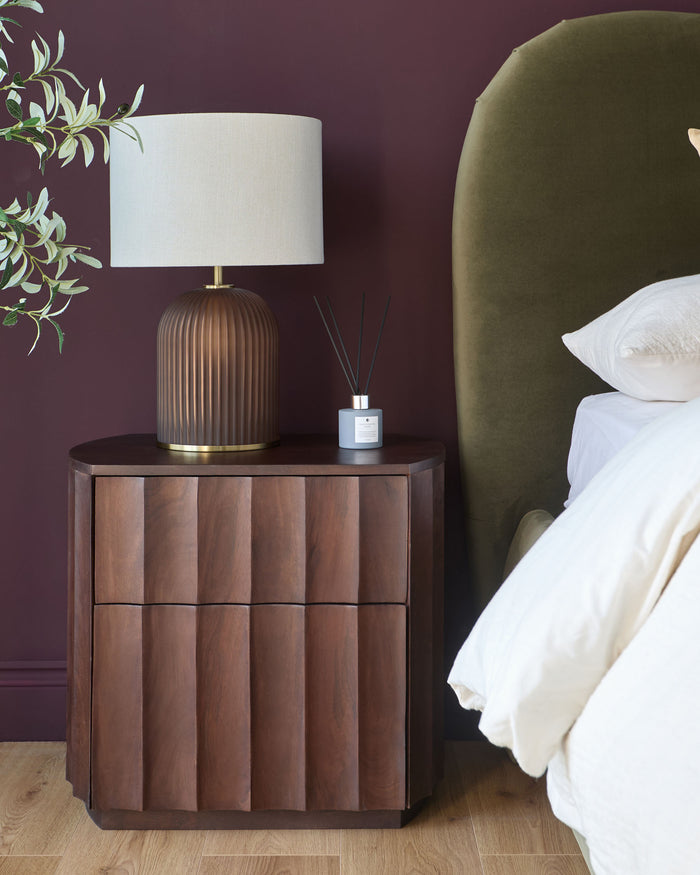
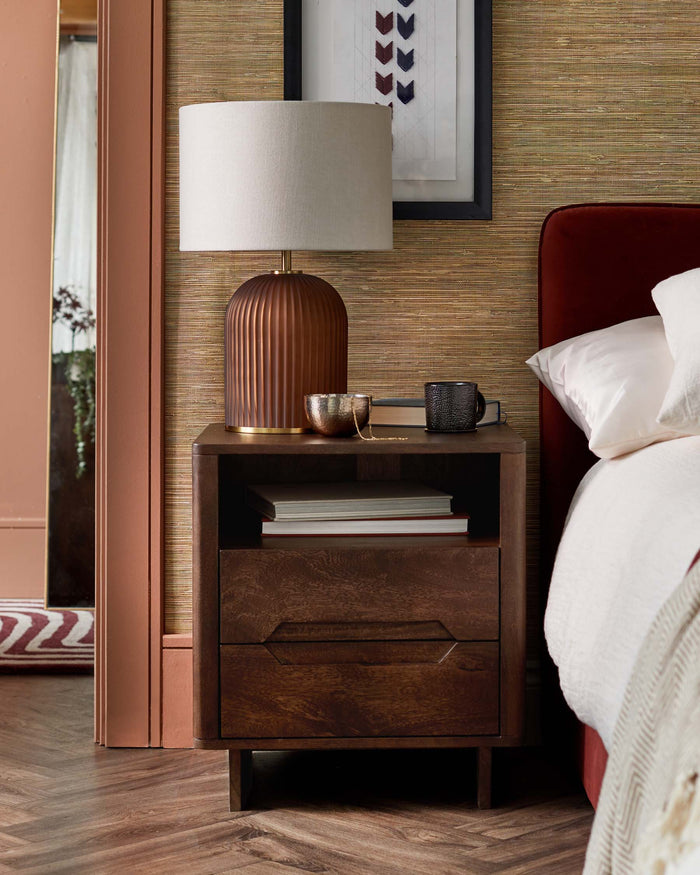
Bedside tables frequently come into contact with drinks, skincare products, perfumes and charging cables.
Using a coaster beneath drinks and wiping away any spills promptly helps prevent marks from developing over time.
Keeping the surface clear also reduces the likelihood of scratches caused by everyday objects.
Protect Your Furniture From Everyday Wear
Cleaning is only one part of caring for wood furniture.
Protecting it from its environment plays an equally important role.
Where possible, avoid positioning wood furniture:
- In prolonged direct sunlight.
- Beside radiators or fireplaces.
- Close to heating vents.
- In areas of excessive humidity.
Changes in temperature and moisture can cause timber to expand and contract naturally, which may affect its appearance over time.

Wood Changes Naturally Over Time
One of the qualities people love most about wood is that it isn't static.
Unlike synthetic materials, timber develops character as it ages. Natural variations in colour, grain and texture become more pronounced, giving every piece its own unique story.
Rather than trying to prevent these subtle changes entirely, thoughtful care helps the material age beautifully while preserving the craftsmanship that makes it special.
At Danetti, we see this as part of the beauty of real wood furniture.
Common Wood Furniture Care Mistakes
Avoid these common mistakes:
- Using abrasive cloths or scouring pads.
- Leaving water sitting on the surface.
- Spraying cleaning products directly onto the wood.
- Using silicone-based polishes too frequently.
- Placing furniture in prolonged direct sunlight.
- Dragging heavy objects across the surface.
- Ignoring spills until later.
Gentle, consistent care will always achieve better long-term results than occasional intensive cleaning.
Our Design Perspective
At Danetti, we choose wood furniture because of the warmth, texture and character it brings to a home.
Every grain pattern, natural variation and carefully applied finish contributes to the individuality of each piece. Looking after your furniture isn't about keeping it looking brand new forever - it's about preserving the craftsmanship while allowing the material to develop beautifully over time.
When thoughtfully cared for, wood furniture becomes even more characterful with every passing year.
Frequently Asked Questions
How do you clean wood furniture?
Dust regularly with a soft microfibre cloth before cleaning with a wood-safe cleaner or a mild solution of warm water and washing-up liquid. Always dry the surface immediately afterwards.
Can you use washing-up liquid on wood furniture?
Yes, provided it's heavily diluted and used sparingly. Avoid harsh household cleaners or products containing ammonia, bleach or silicone.
Should you polish wood furniture?
Finished wood generally benefits from polishing every three to six months, while oiled wood may require occasional conditioning instead.
Can you use vinegar to clean wood furniture?
Vinegar can be too acidic for some finishes and may gradually dull protective coatings. It's generally safer to use products specifically designed for wood furniture.
How often should you oil wood furniture?
This depends on the finish and how frequently the furniture is used. Always follow the manufacturer's care recommendations.
Can sunlight damage wood furniture?
Yes. Prolonged exposure to direct sunlight can gradually fade timber and alter its natural colour over time.
Final Thoughts
Wood furniture is designed to be lived with.
Over time, it develops character through everyday use, but thoughtful care helps preserve the finish, protect the craftsmanship and celebrate the natural beauty of the material.
With regular dusting, gentle cleaning and a little preventative maintenance, your furniture will continue to evolve beautifully as part of your home for years to come.
Because the best furniture isn't designed to stay exactly the same - it should grow more characterful with every year of use.