Skip to content


Furniture isn't one size fits all – nor should it be. That’s the beauty of modular furniture. It's something you build, rearrange, and evolve to suit the way you actually use and move through your home.
Modular sofas offer flexibility that adapts to the way you live. Whether you're working with an awkward space, planning ahead for your next home, or simply want seating you can change whenever you want to, modular designs let you configure, reconfigure, and create spaces that work for you.
At the heart of this shift is a design philosophy that puts flexibility, longevity, and personal expression at the centre of the home.
What is a modular sofa?
Furniture that changes with you
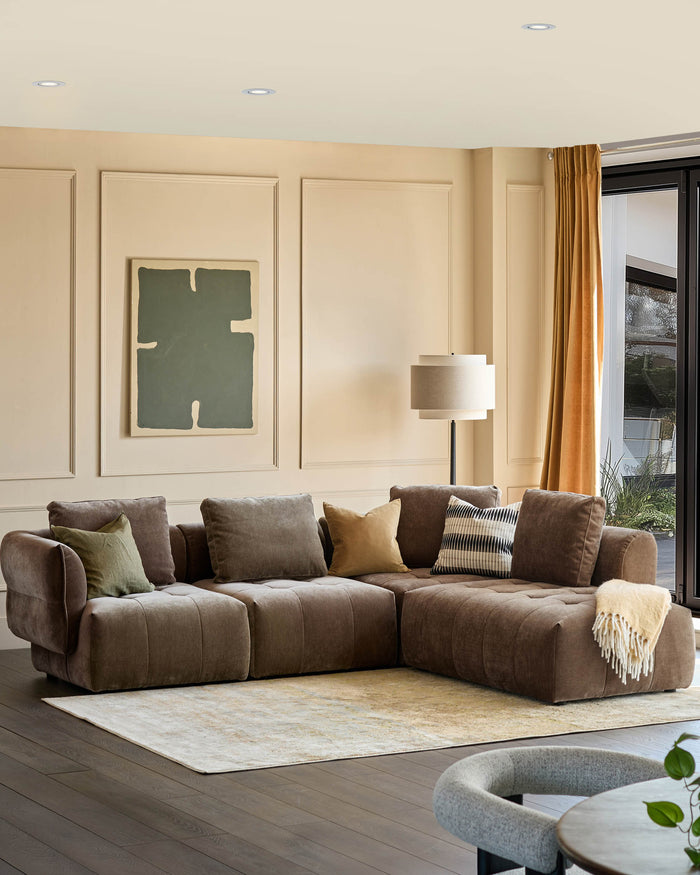
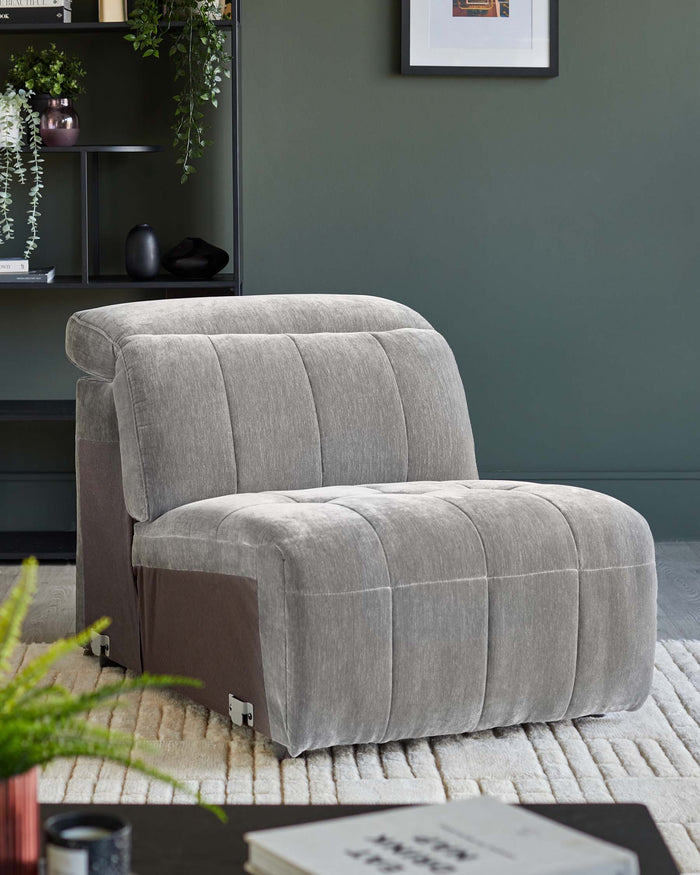
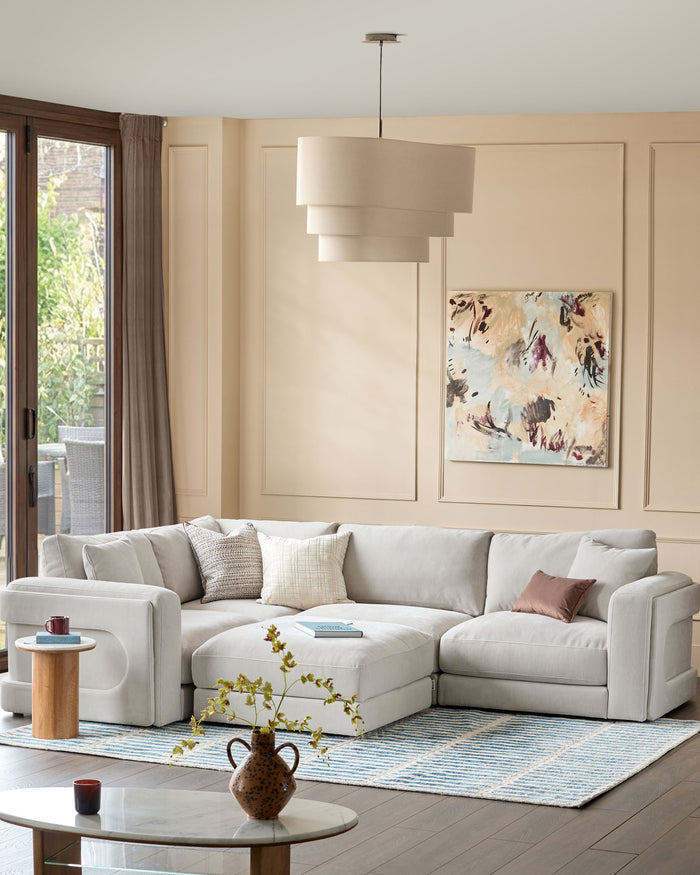
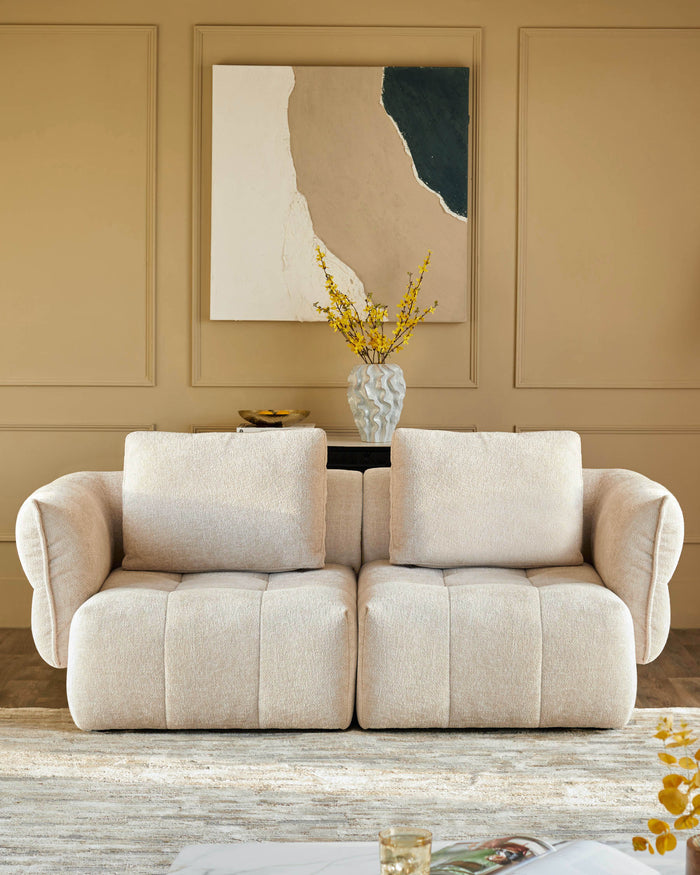
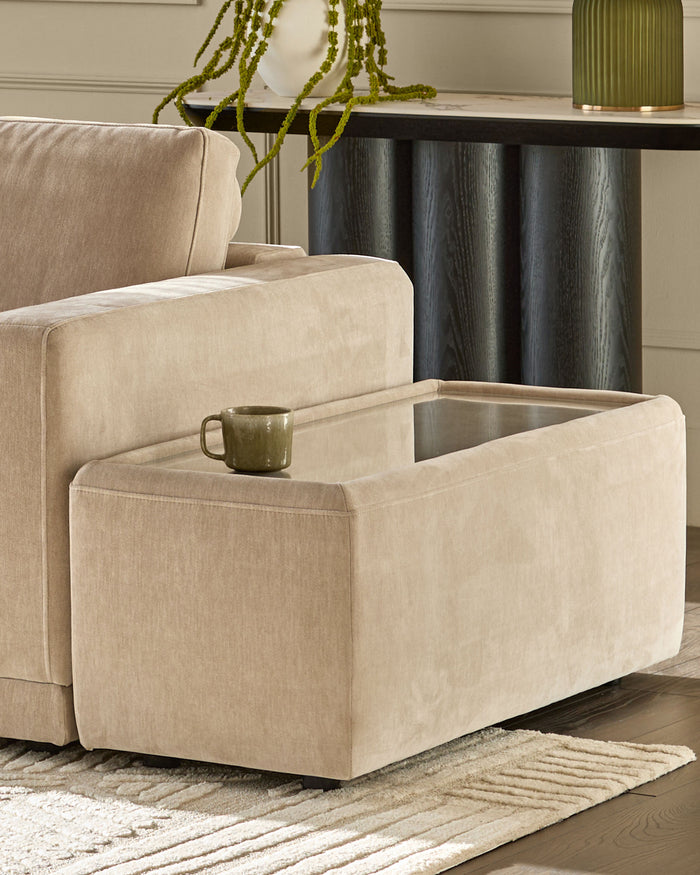
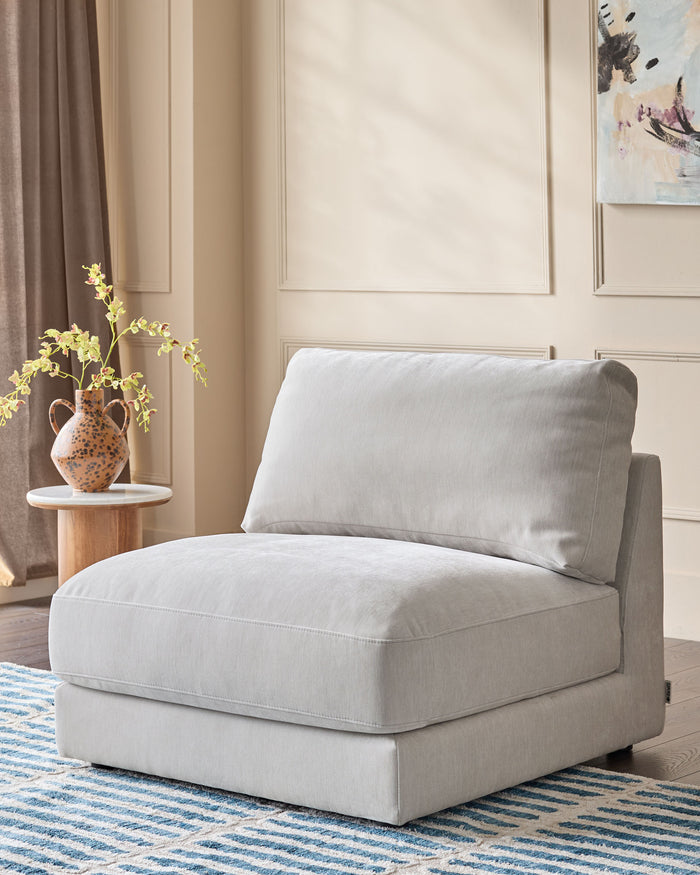
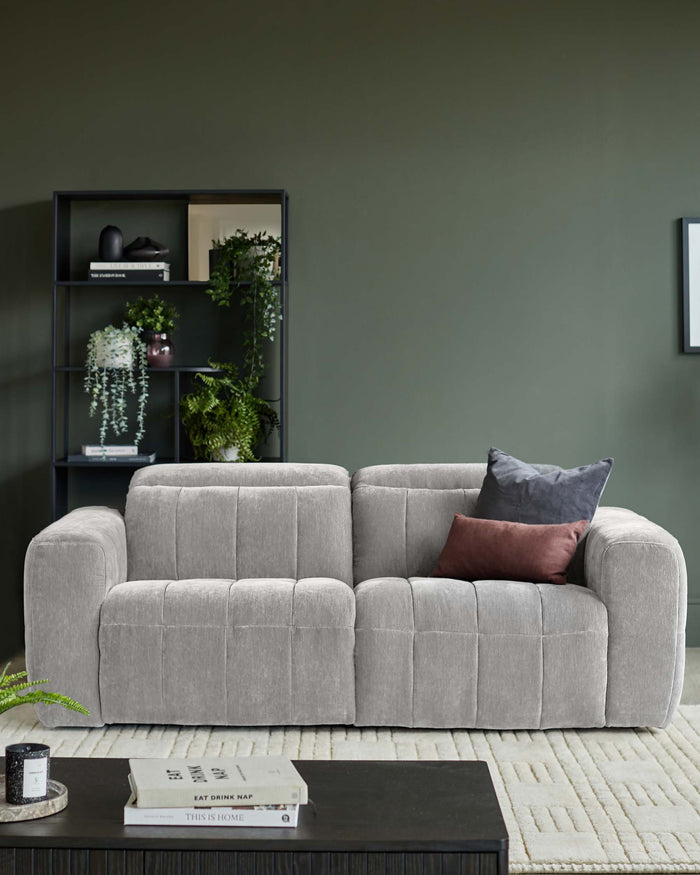
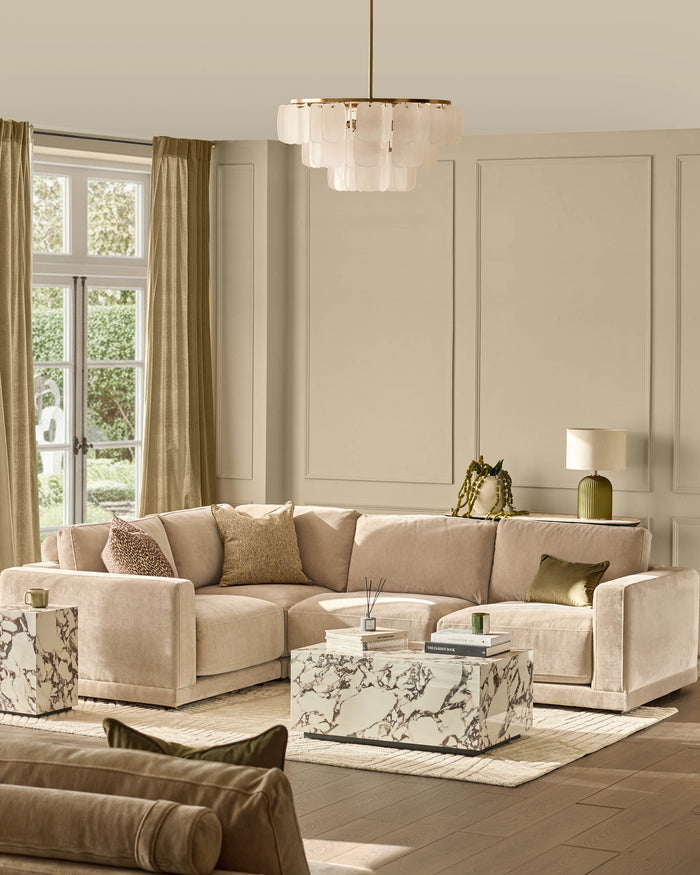
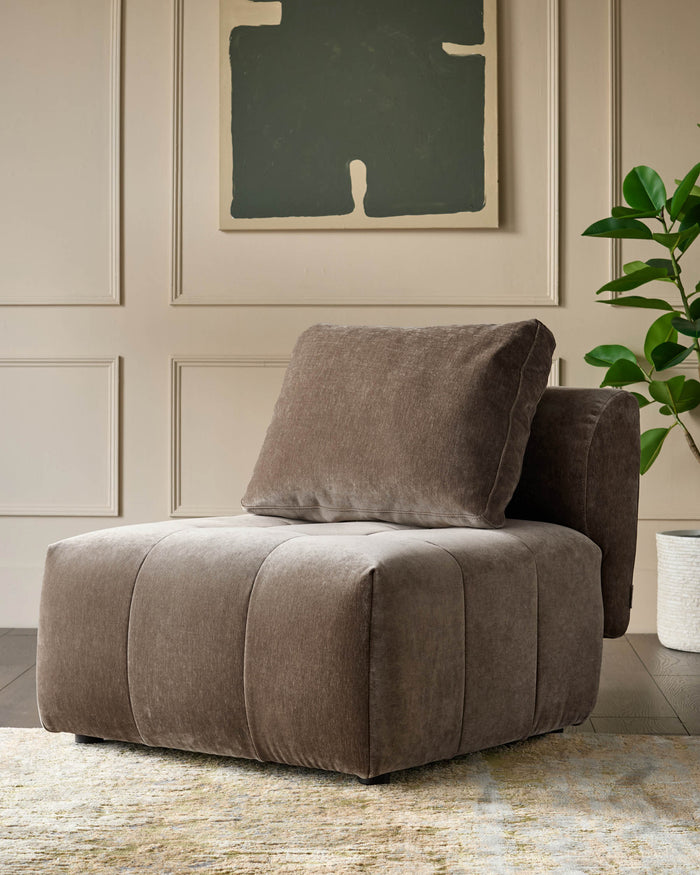
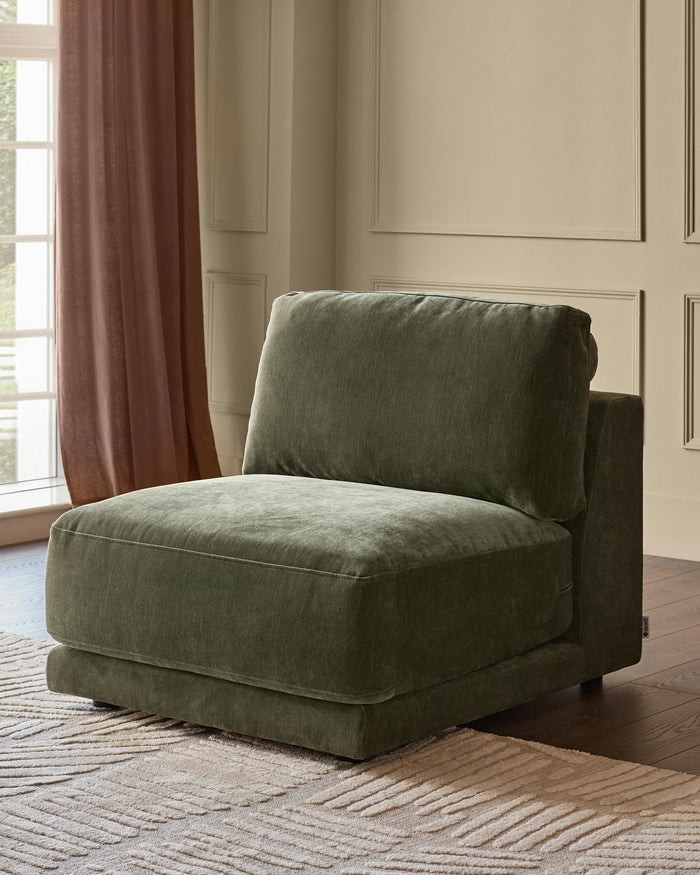
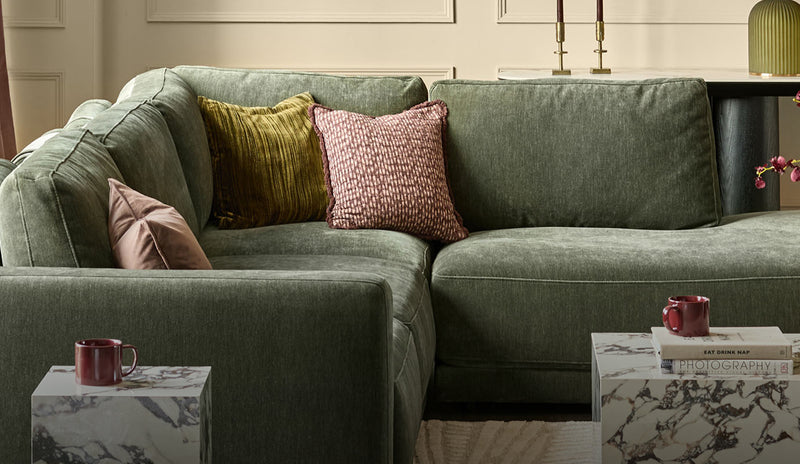
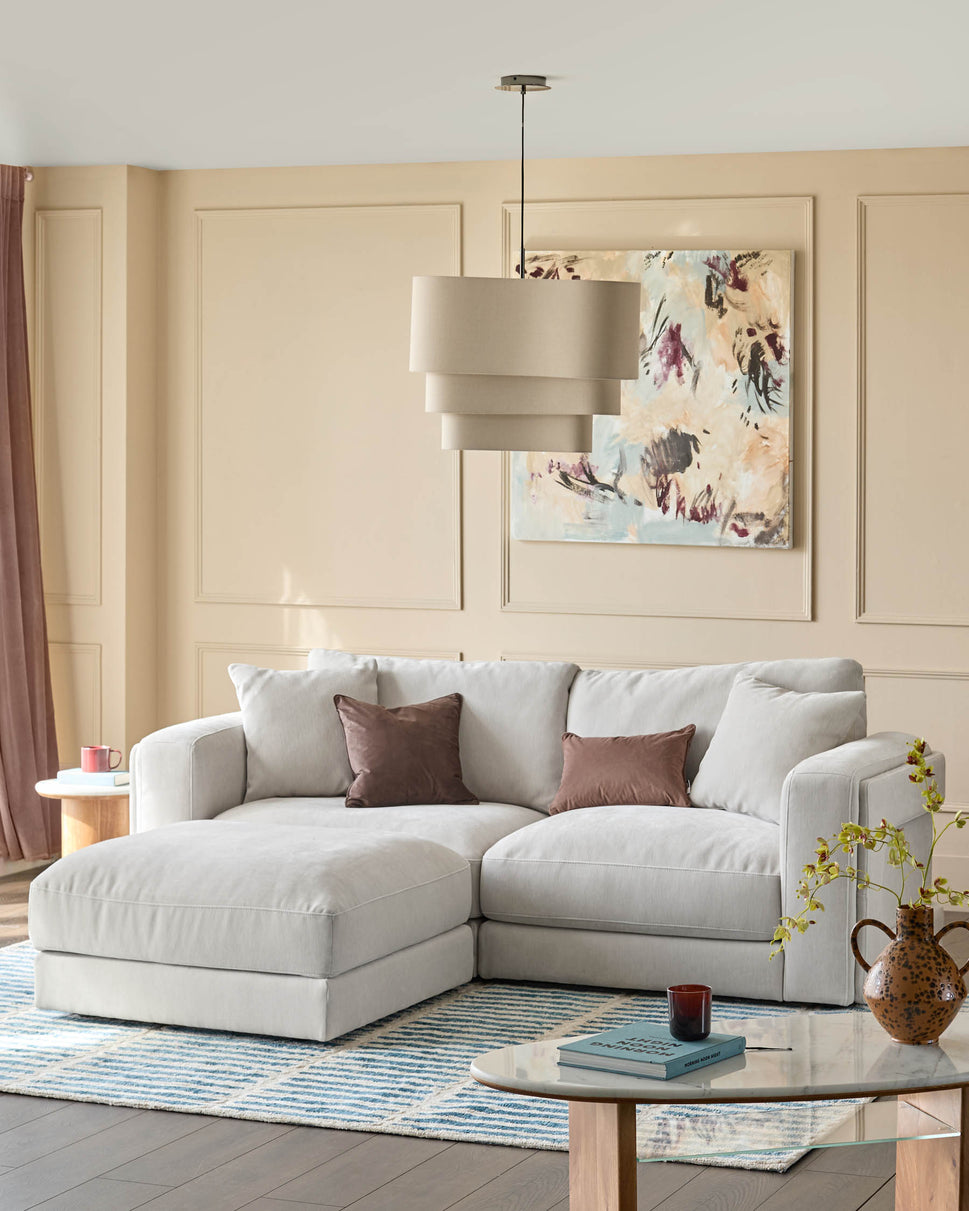
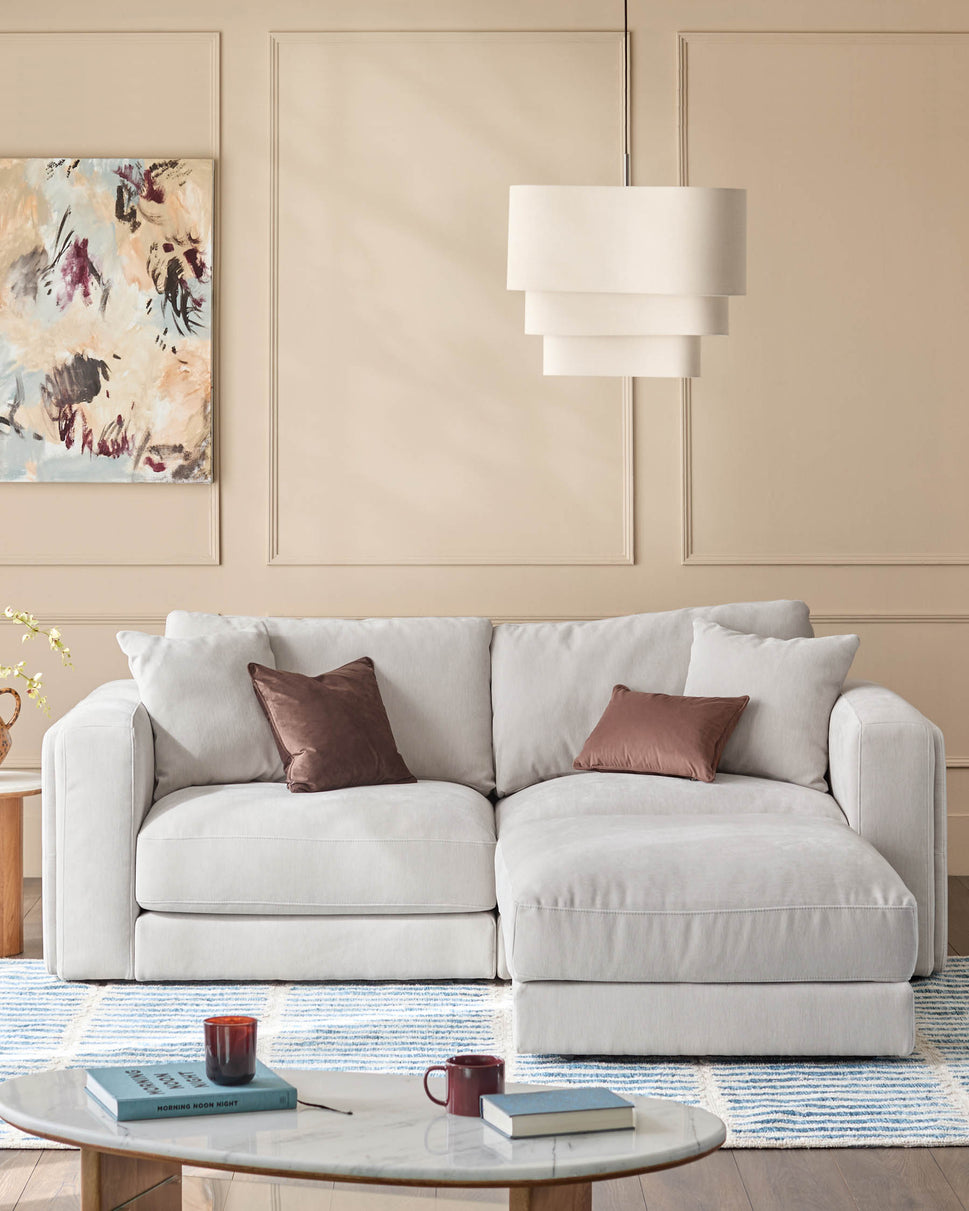
Modular furniture is made up of modules – individual, self-contained units that can be combined, repositioned and expanded in different ways. Instead of a fixed sofa with a set shape and size, a modular sofa can consist of individual seats, corner pieces, armrests or tables, ottomans, and chaise sections that fit together just the way you want them.
The key design principle is freedom. The ability to create furniture that suits your room, your lifestyle, and your needs today, and reconfigure for any changes that come tomorrow.
A lesson in modular design
The first modular furniture comes from the mid-20th century, when design movements challenged the belief that homes should be fixed, formal spaces. In the 1950s and 60s, designers began exploring furniture systems that could flex around home and office and domestic environments. These new designs were practical, beautiful, and free of rigidity.
By the 1970s, brands across Scandinavia and Italy embraced the philosophy wholeheartedly, pairing it with the clean lines and organic materials that have since evolved into what we see today. Contemporary modular sofas that are deeply comfortable and designed with an eye for craftsmanship – ready to rival even the most popular fixed-frame pieces.
Is modular furniture right for you?
Modular sofas aren’t for everyone, but they can make a smart choice for many. As we’d advise with any furniture investment, ask yourself if the piece suits your home and taste – and if it will still suit you in five years time.
If you move regularly, or expect to move in the not-so-distant future, a modular sofa can travel with you. Unlike fixed pieces, they can be detached, packed up, and rebuilt to suit an entirely different floor plan. You can even add new pieces, if the collection you’ve chosen is still available to buy.
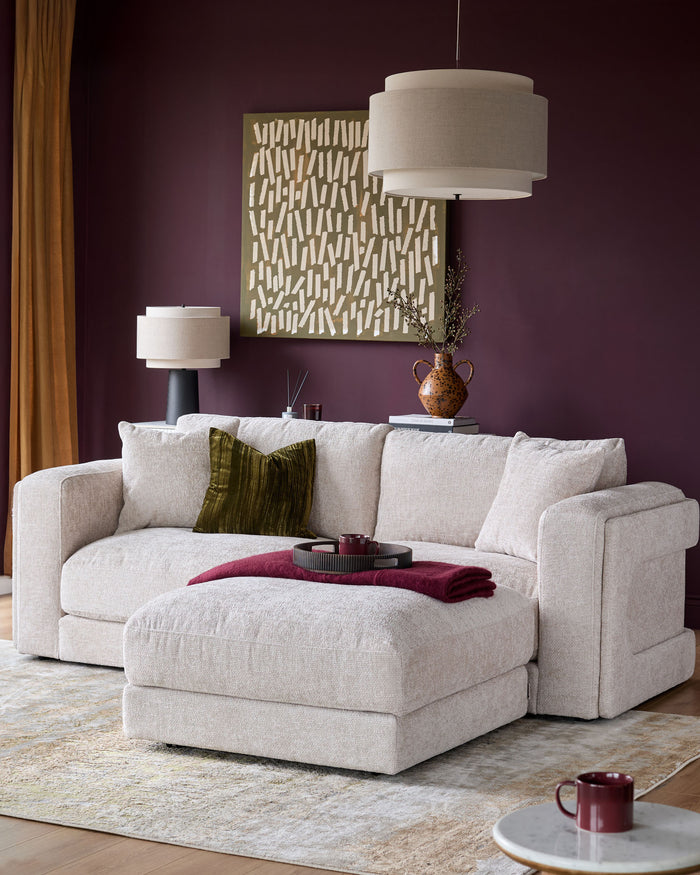
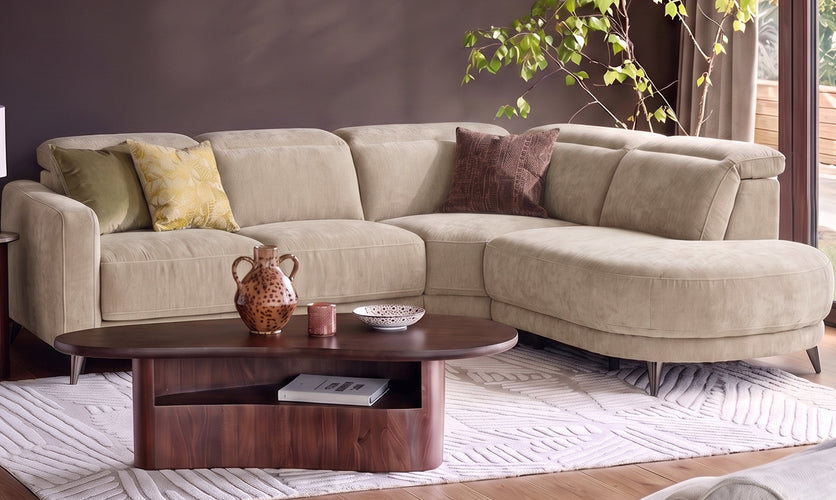
For households that are changing, modularity also means your sofa can keep up. A compact L-shape sofa might be where you begin, before extending the suite with a chaise or extra seat module as you grow to need more room.
Modular inside - and out
The sofa is the anchor of most living rooms, and often the true heart of the home. But modularity extends outside too, making an adaptable option for plush comfort out on the patio.
Whether indoors or out, a well-designed modular sofa collection offers:
Standard seat modules: the sofa’s building blocks
Corner units: essential for creating larger L-shaped or U-shaped arrangements
Armrest end pieces: to cleanly close off a configuration
Chaise longues, ottomans and poufs: for extra seating and a place to put your feet up
These pieces can be found individually, or preconfigured into sets that show you where to start, then let you build. From compact corner setups to generous L-shaped layouts, our modular collections are designed with pieces that connect together seamlessly. These adaptable designs work beautifully alongside our coffee tables and side tables, helping you create living spaces that balance comfort, freedom and style – inside and out.
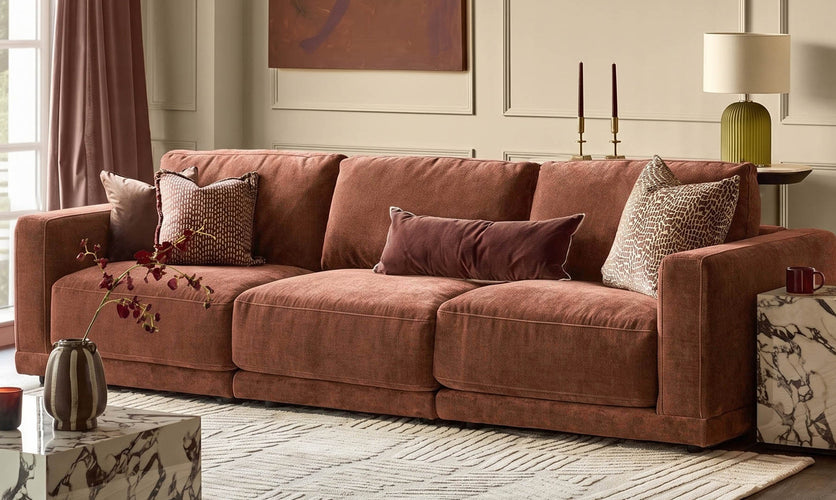
Turn your Lillian 2 seater sofa into a 3 seater. Complement your Lynetta sofa with a matching module – as an extra seat or a twin accent chair. Or soak up the sun by adding a daybed to your Savannah corner bench.
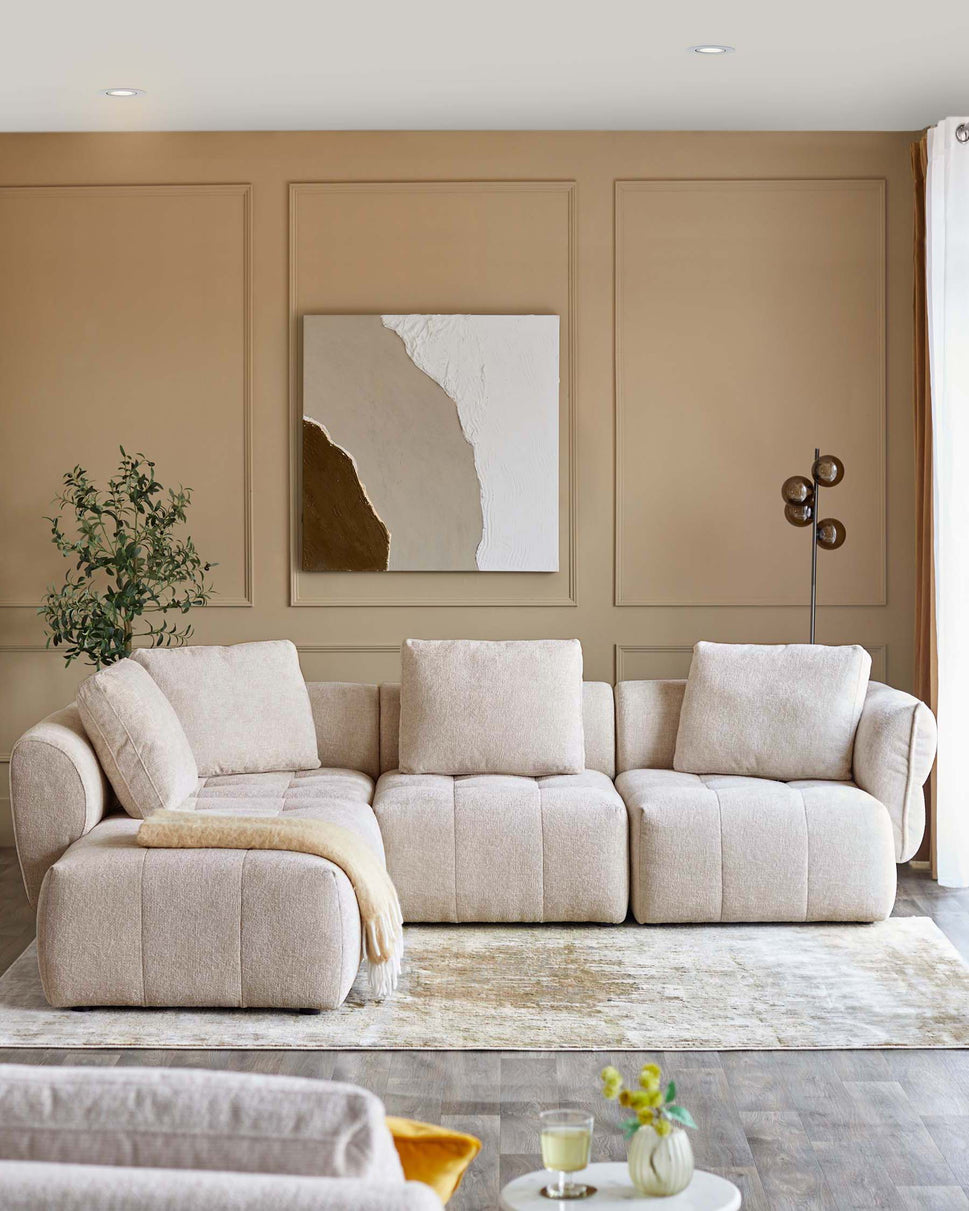
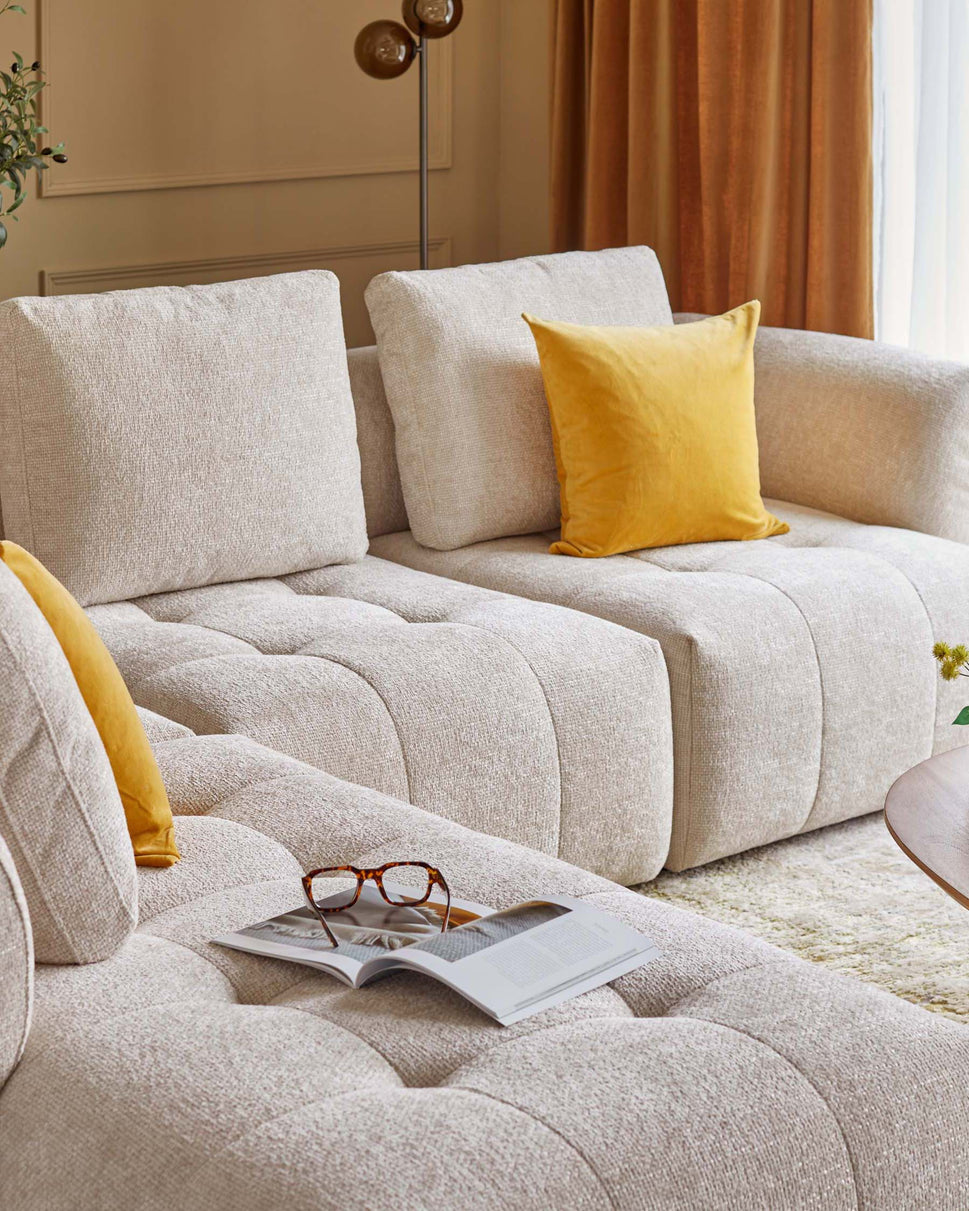
How to build your own modular sofa
One of the greatest reasons to choose a modular design is the process of creating your own configuration. This is our guide for thoughtfully designing yours:
Measure your space
Always start by knowing your room. Mark out the sofa footprint with masking tape on the floor to help visualise how it will sit inside the space. Your furniture should always be designed for real life, so make sure you can move comfortably around it, and that no doors, windows or cabinets are blocked.
Decide on the overall shape
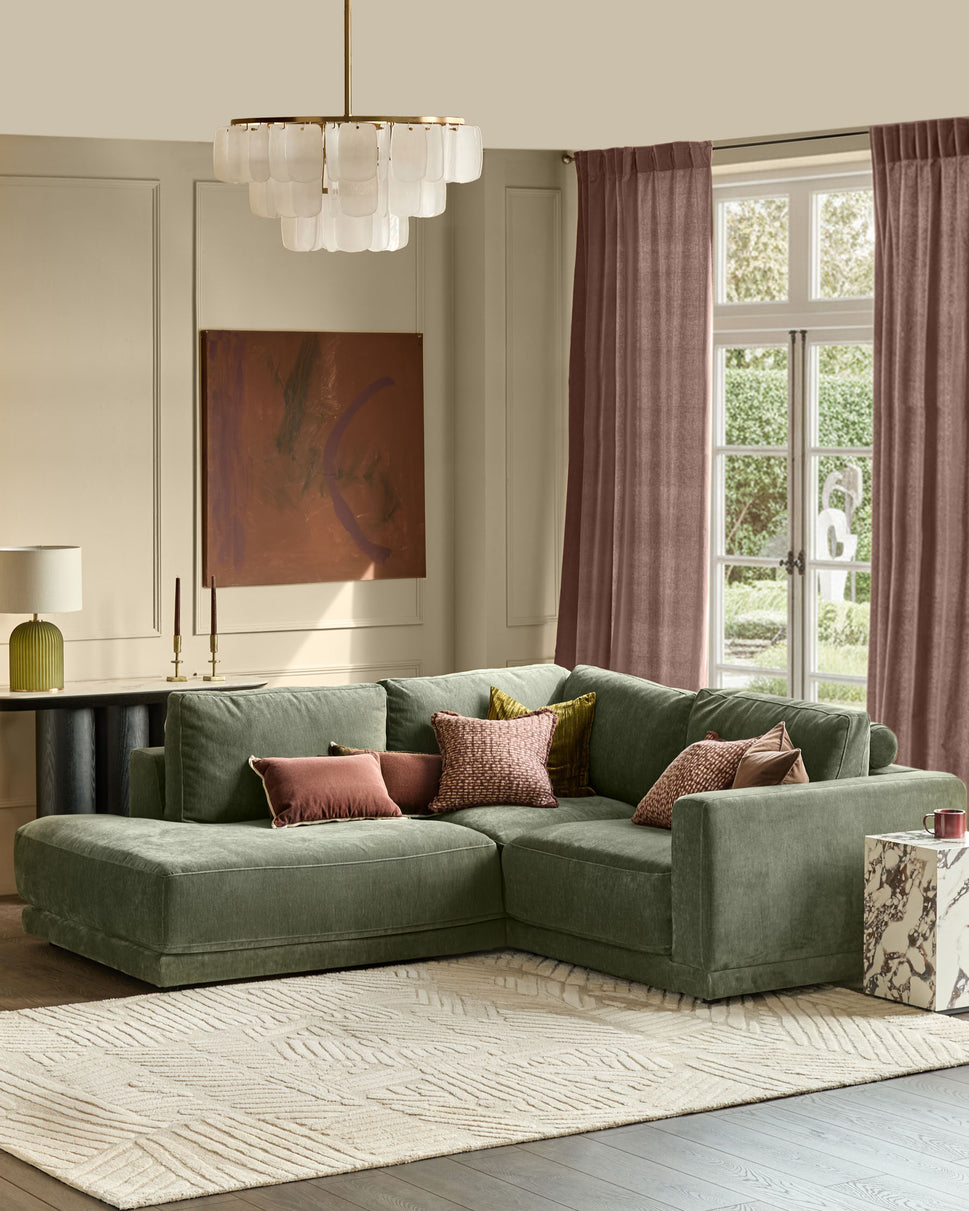
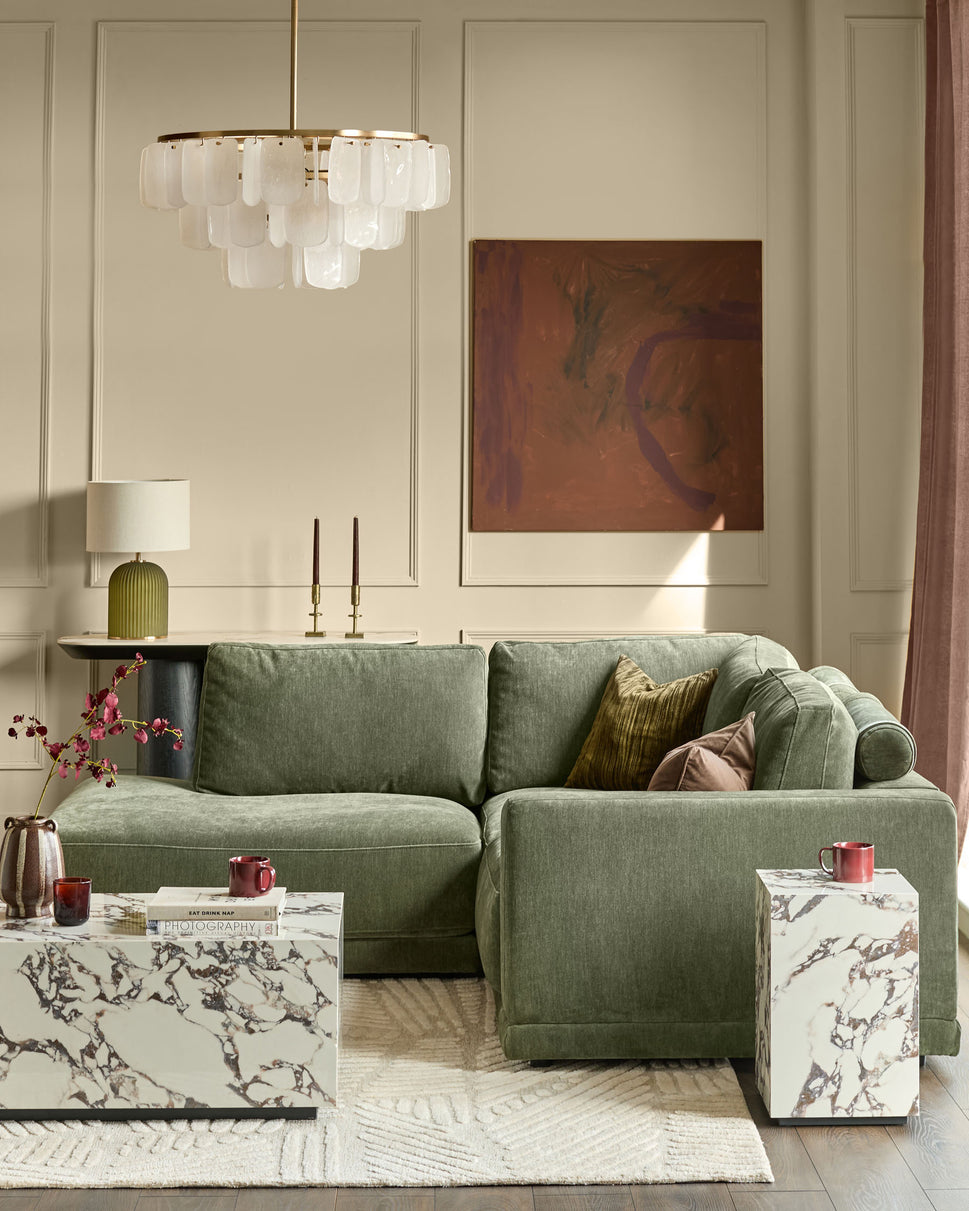
L-shaped sofas are the perfect fit for tucking neatly into corners. U-shaped designs are suited to larger rooms and big families. Straight arrangements work best in more compact spaces. Remember, these can always be changed later.
Settle on a direction
If you’re leaning toward an asymmetrical modular design, decide whether you need a left-hand or right-hand configuration. This simply refers to which side the chaise or corner section falls on when you're facing the sofa. It can feel confusing to figure out, but the rule is straightforward. Stand inside your room or on your patio, imagine yourself seated, and think about which side of the sofa you want the longer section to extend towards. This is usually dictated by where the walls are, where the fireplace or television sit, or which direction offers the most natural flow.
Consider the fabric
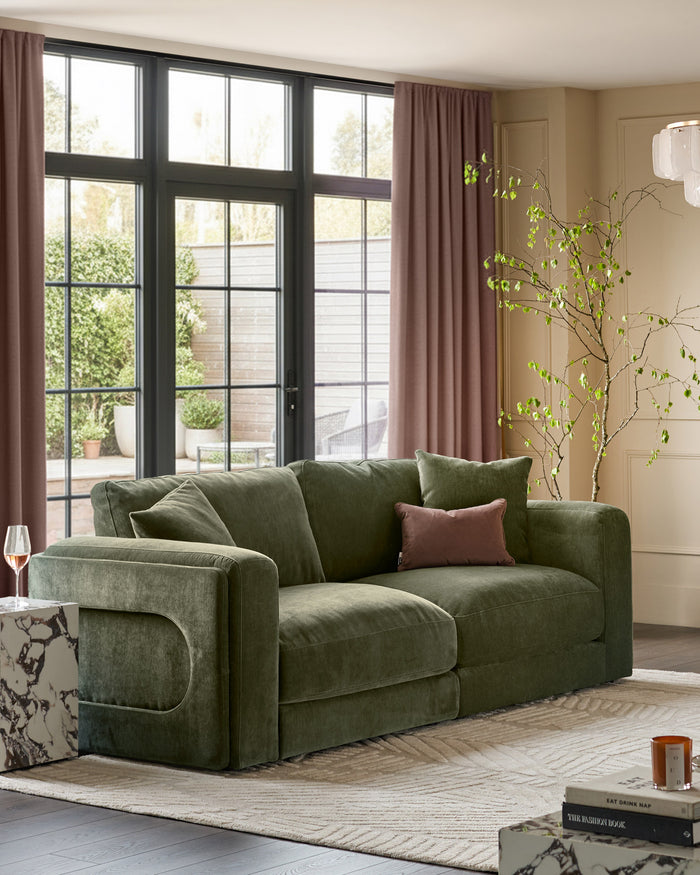
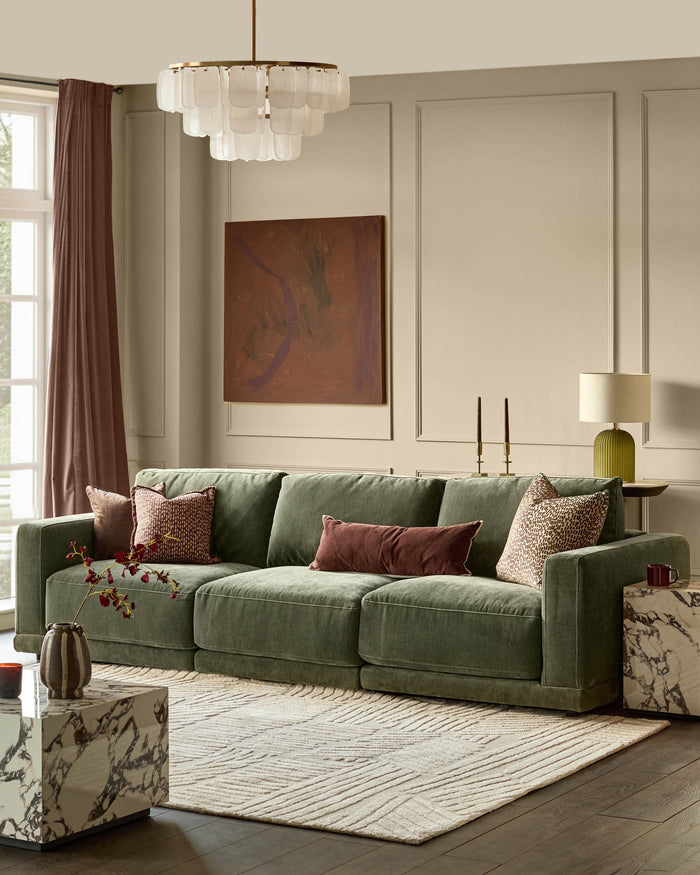
The covering you choose is almost as important as the modular design itself. If you're looking for a sophisticated, tailored piece, consider a rich velvet. Or, for something more relaxed, a natural chunky weave will create warmth and depth. We offer our collections in different fabric options for an added layer of personalisation.
Think about the future
Modular furniture can grow with you – so make sure it stands up to the tests of time. We offer up to 10 years structural guarantee across our modular sofa collections along with care instructions to keep them looking their best for as long as possible.
Adapting to new homes, growing families, and changing tastes, modular sofas are a smart and stylish choice for those considering - or reconsidering - their seating arrangements. Whether you're starting small or going all in, the freedom to build, evolve, and make it your own is what makes modular so special.