Skip to content

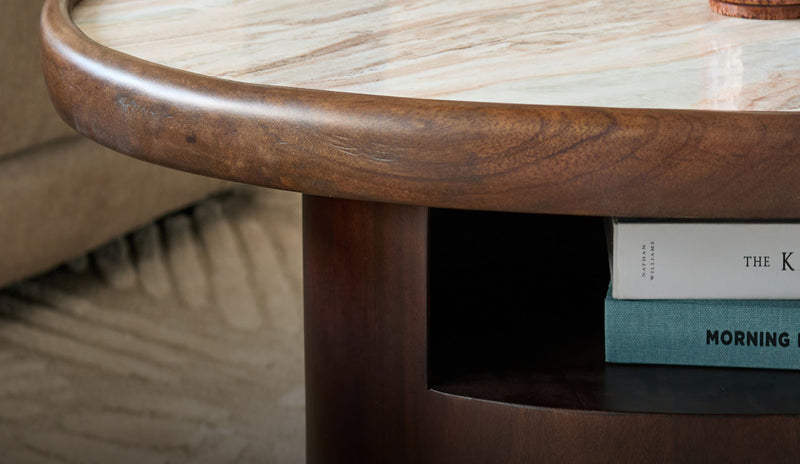


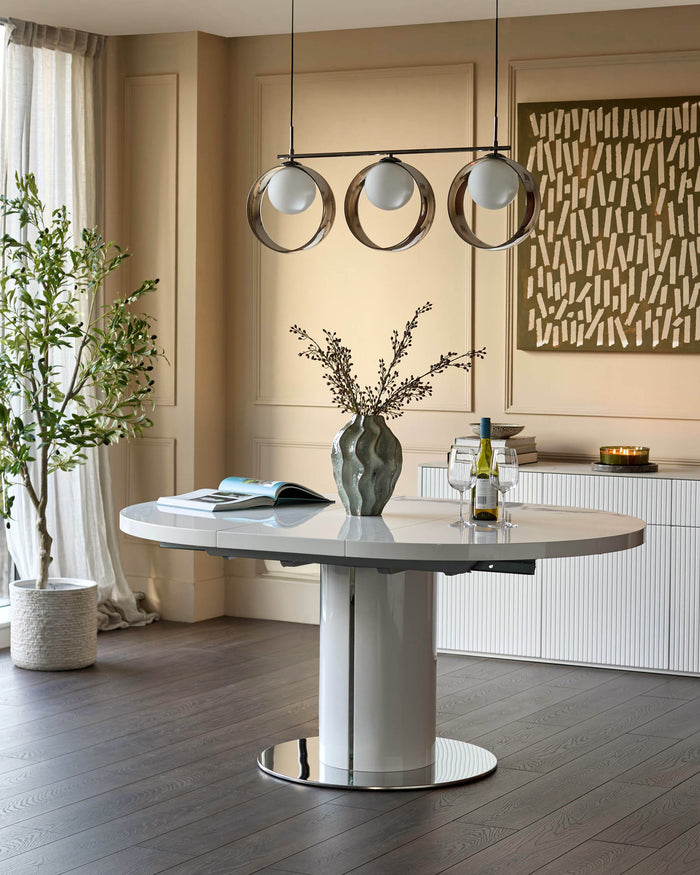
High gloss furniture has a way of bringing light into a room. Its smooth, reflective finish feels clean, contemporary, and considered - whether it’s a high gloss dining table, sideboard, or TV unit.
But like any beautiful finish, it deserves the right care. The good news is that high gloss maintenance is simple when you know what to use, what to avoid, and how to protect the surface from everyday wear.
In this guide, we’ll walk through how to clean high gloss furniture properly, remove common marks, and maintain its shine for years to come.
What This Guide Covers
- How to clean high gloss furniture
- What products to use on high gloss surfaces
- How to remove fingerprints and spills
- High gloss dining table maintenance
- How to protect high gloss furniture
- Common cleaning mistakes to avoid
- High gloss furniture FAQs
Why High Gloss Furniture Needs Thoughtful Care
High gloss finishes are loved for their bright, reflective appearance. They help make rooms feel lighter, cleaner, and more spacious - particularly in dining rooms, kitchens, and contemporary living spaces.
That same reflective quality also means dust, fingerprints, and watermarks can be more visible than on textured or matt finishes. Fortunately, keeping high gloss furniture looking its best doesn't require intensive cleaning. A simple, consistent routine is usually all that's needed.
The key is gentle maintenance rather than heavy-duty cleaning.
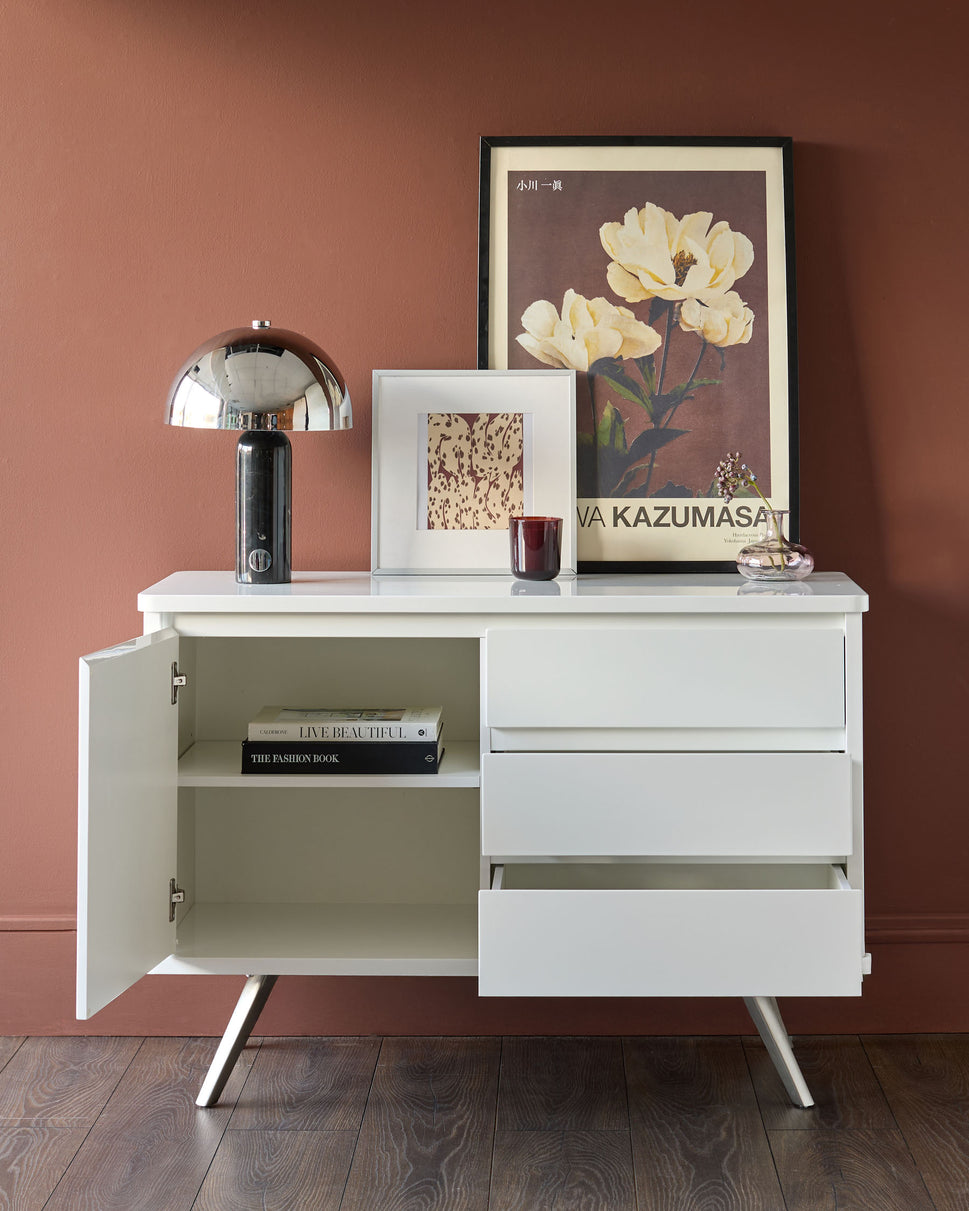
How to Clean High Gloss Furniture
For everyday cleaning, keep things simple.
Use a soft microfibre cloth to remove dust and light marks. If the surface needs a more thorough clean, lightly dampen the cloth with clean water and wipe gently, working in small sections.
Once clean, use a dry microfibre cloth to buff the surface and restore its shine. This helps prevent streaks and watermarks while maintaining the polished finish.
Avoid applying excessive pressure. High gloss surfaces respond best to a light touch.
What Should You Use to Clean High Gloss Furniture?
Most high gloss furniture only requires a soft microfibre cloth and clean water for day-to-day maintenance.
For stickier marks, a mild soapy solution can be used sparingly. If you choose to use a specialist gloss-safe cleaner, always test it on an inconspicuous area first and apply it to the cloth rather than directly onto the furniture.
In most cases, fewer products deliver better results. Keeping your cleaning routine simple helps preserve the finish and minimise streaking or residue build-up.
How to Remove Fingerprints, Smudges and Spills
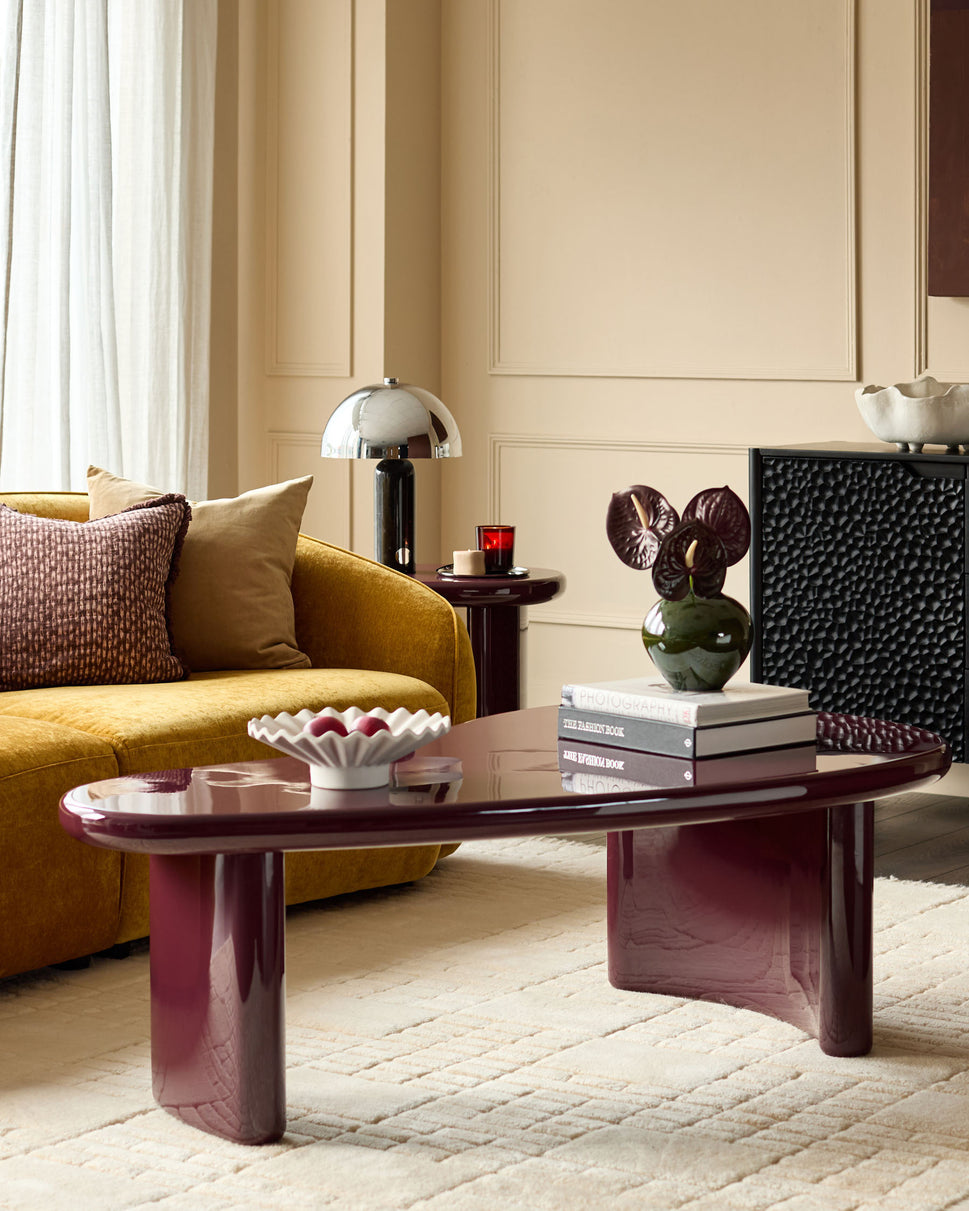
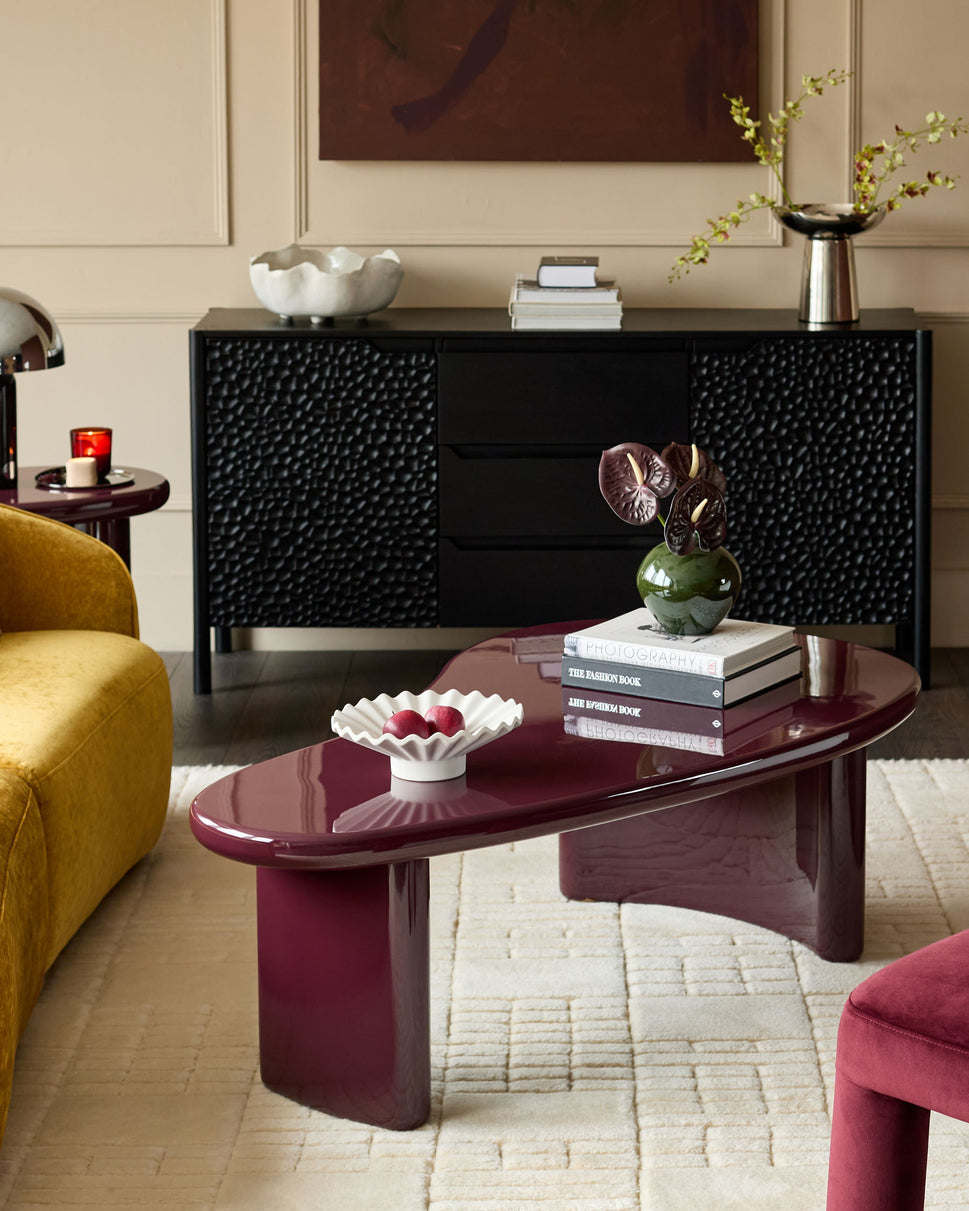
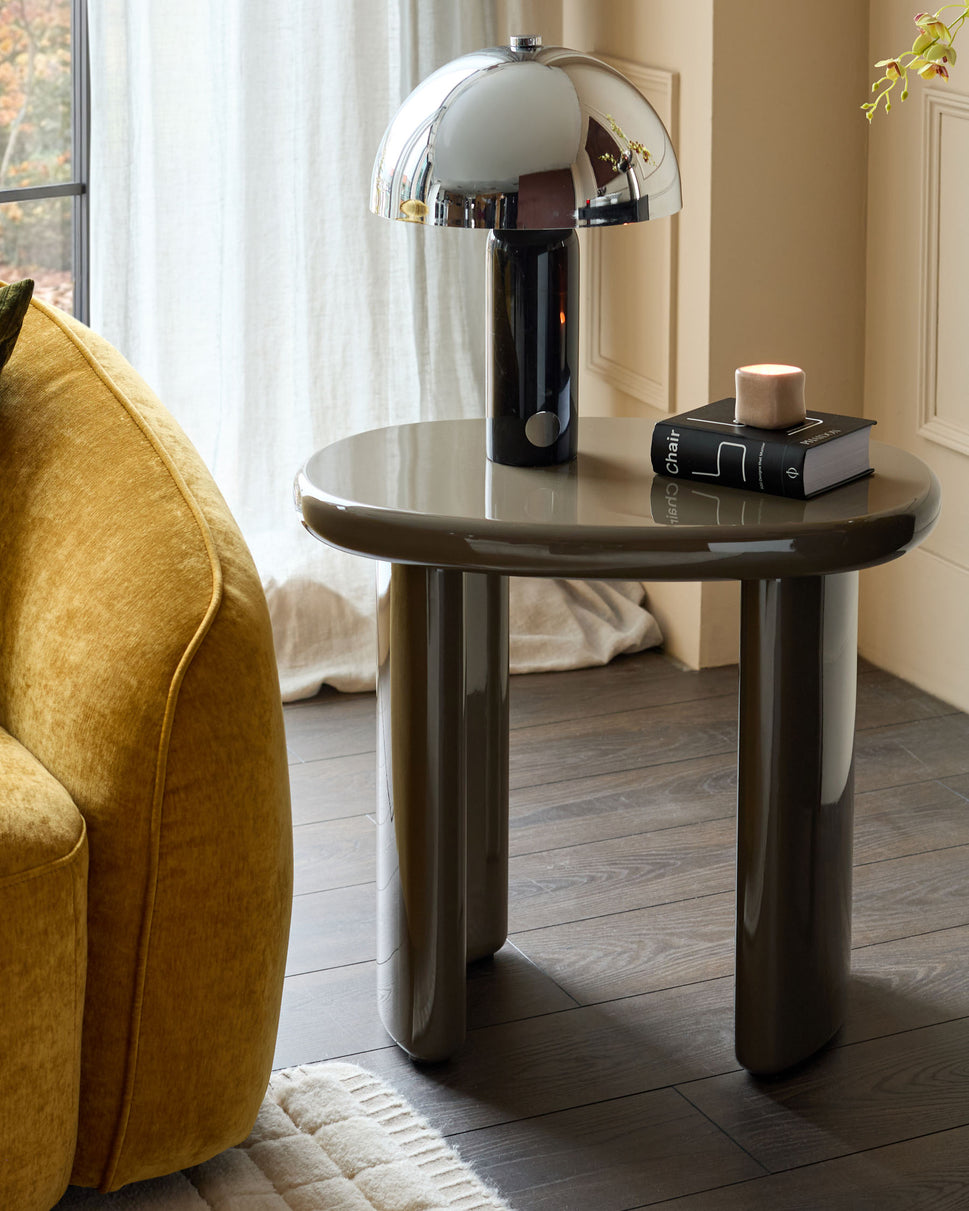
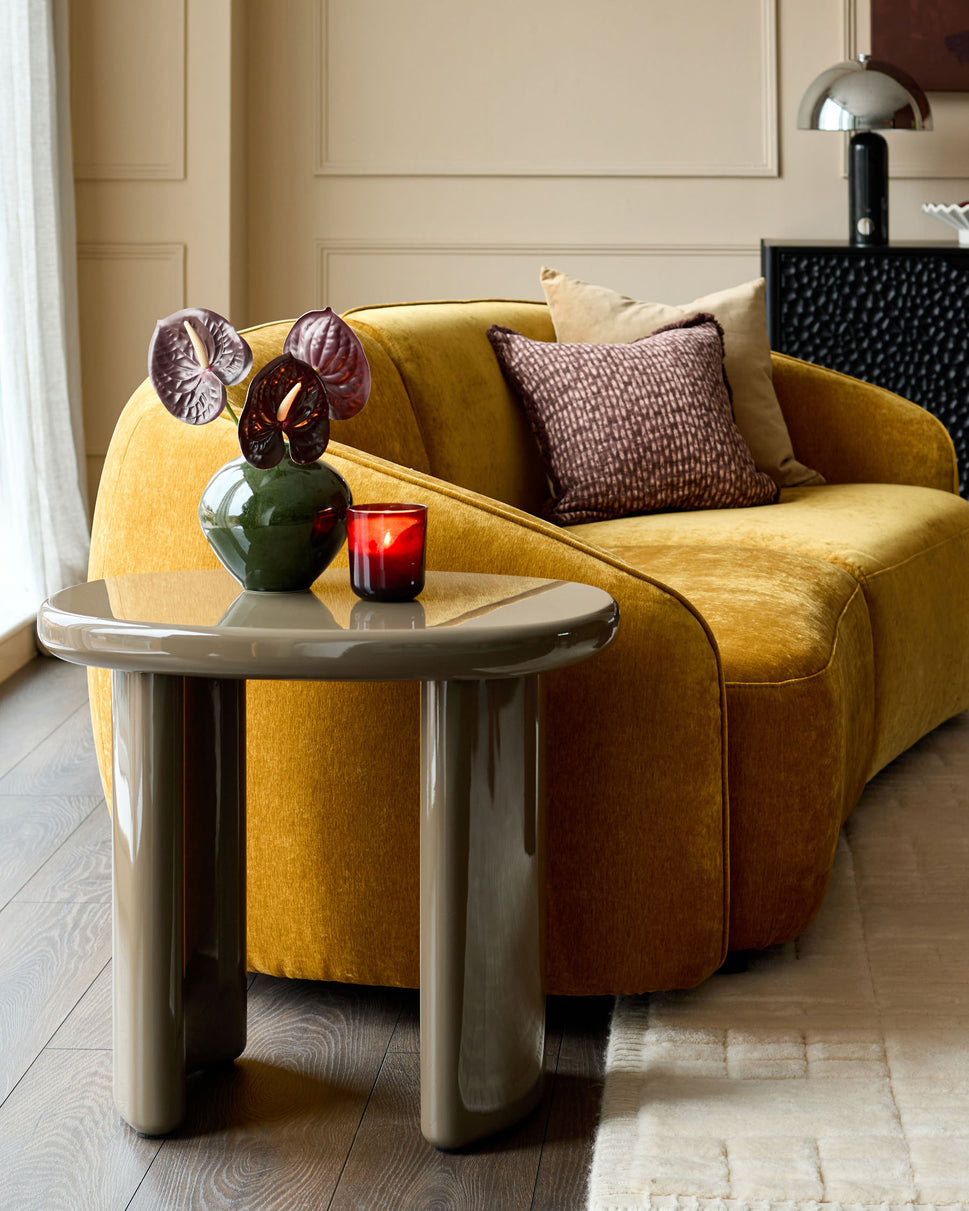
Fingerprints are one of the most common marks on high gloss furniture, particularly on dining tables, side tables, and TV units that are used every day.
Most fingerprints can be removed using a clean, dry microfibre cloth. For more stubborn smudges, use a lightly damp cloth before buffing the area dry to restore the shine.
For spills, act quickly. Wipe away liquids as soon as possible and dry the surface immediately afterwards. Prompt attention helps prevent marks and protects the finish over time.
High Gloss Dining Table Maintenance
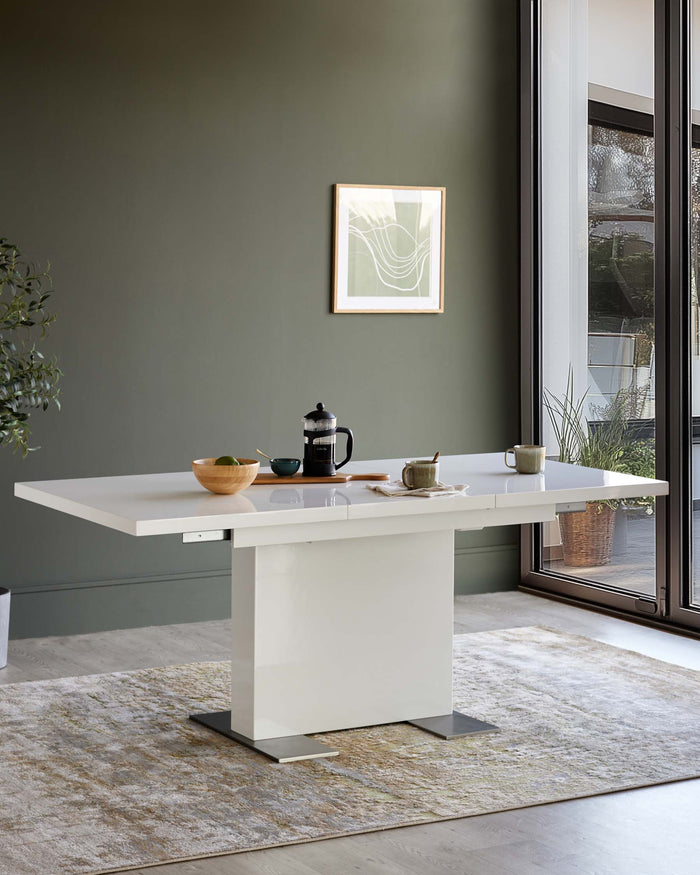
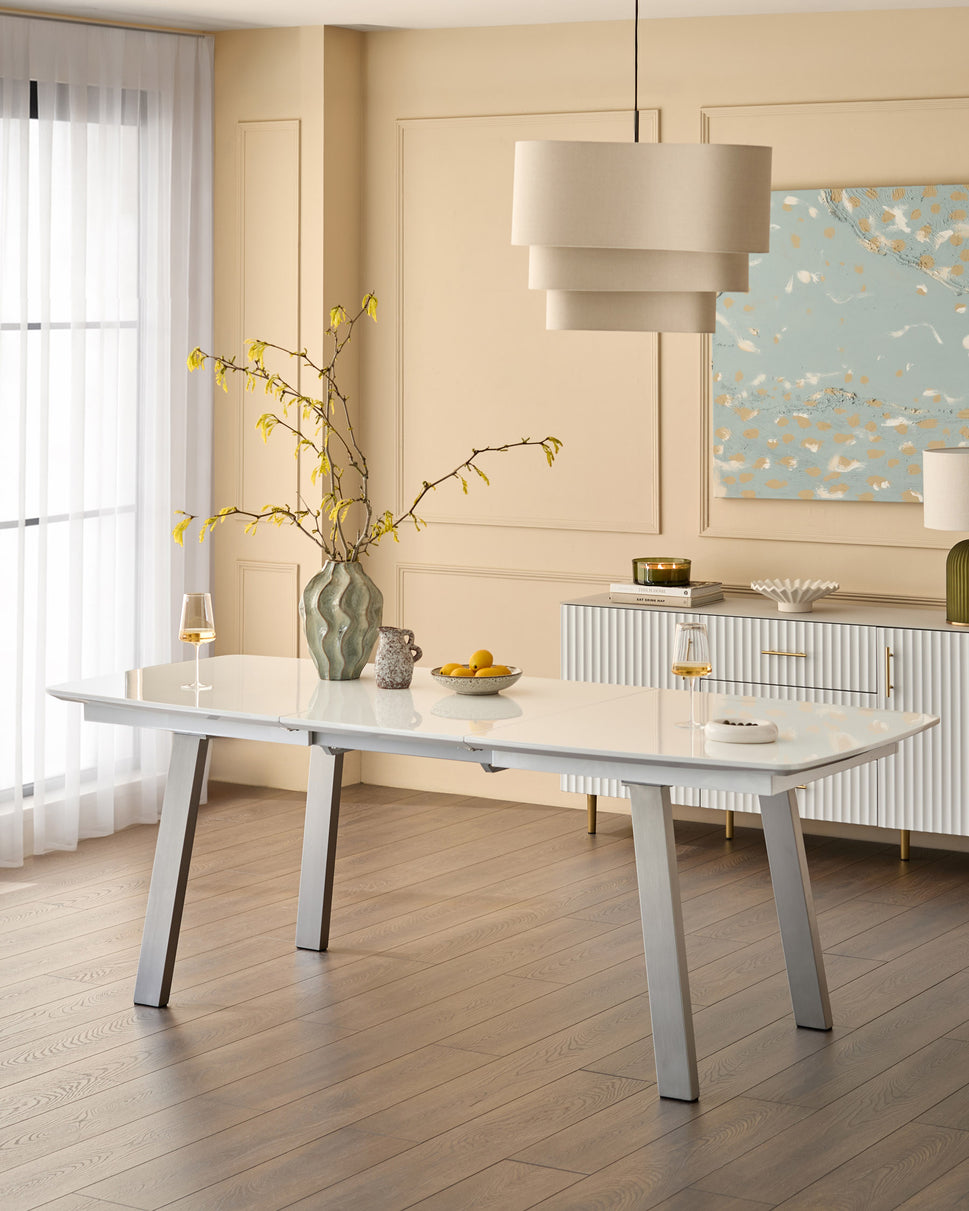
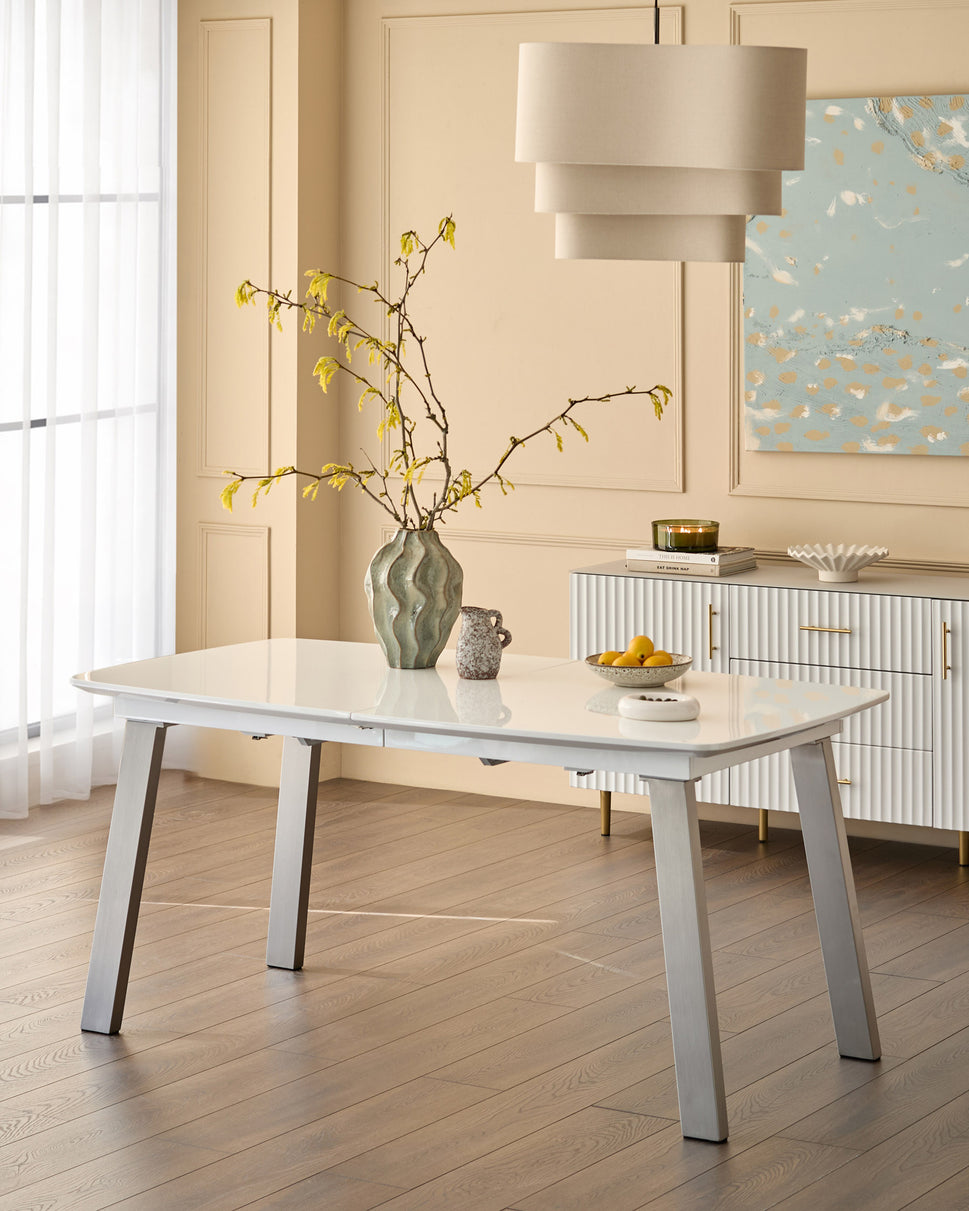
A high gloss dining table often works harder than it looks. It handles everything from everyday meals and morning coffees to homework sessions and dinner parties.
To keep the surface looking its best:
- Use coasters for drinks
- Use placemats beneath plates and serving dishes
- Avoid placing hot cookware directly onto the table
- Lift objects rather than dragging them across the surface
Small protective habits like these make the biggest difference to long-term high gloss maintenance.
How to Protect High Gloss Furniture
Cleaning is only part of caring for high gloss furniture. Where you position it can also influence how well the finish performs over time.
Try to avoid placing furniture directly beside:
- Radiators
- Fireplaces
- Underfloor heating vents
- Areas with prolonged direct sunlight
Excessive heat and UV exposure can affect the appearance of the finish over time.
In brighter rooms, blinds or curtains can help soften direct sunlight during the strongest parts of the day.
Can You Polish High Gloss Furniture?
High gloss furniture is designed to shine naturally, so frequent polishing isn't usually necessary.
If you choose to use a polish, ensure it's suitable for lacquered or high gloss finishes and always test it first on a hidden area.
Apply sparingly using a soft cloth and avoid over-polishing, which can leave residue on the surface.
For most homes, regular dusting and gentle buffing provide all the shine you need.
Common High Gloss Furniture Cleaning Mistakes to Avoid
Even with the best intentions, the wrong cleaning methods can damage a gloss finish.
Avoid:
- Using abrasive cloths or scouring pads
- Applying bleach, ammonia, or harsh household cleaners
- Using excessive water
- Leaving spills to sit on the surface
- Forgetting to dry and buff after cleaning
- Placing hot items directly onto the furniture
- Dragging sharp, rough, or heavy objects across the finish
High gloss furniture responds best to gentle, consistent care rather than aggressive cleaning.
High Gloss Maintenance Routine
Keeping high gloss furniture looking polished doesn't need to be complicated.
Weekly
Dust the surface with a soft microfibre cloth.
As Needed
Remove fingerprints, smudges, and spills promptly.
Every Few Weeks
Clean with a lightly damp cloth and buff dry.
Ongoing
Use coasters, placemats, and protective pads to prevent heat marks and scratches.
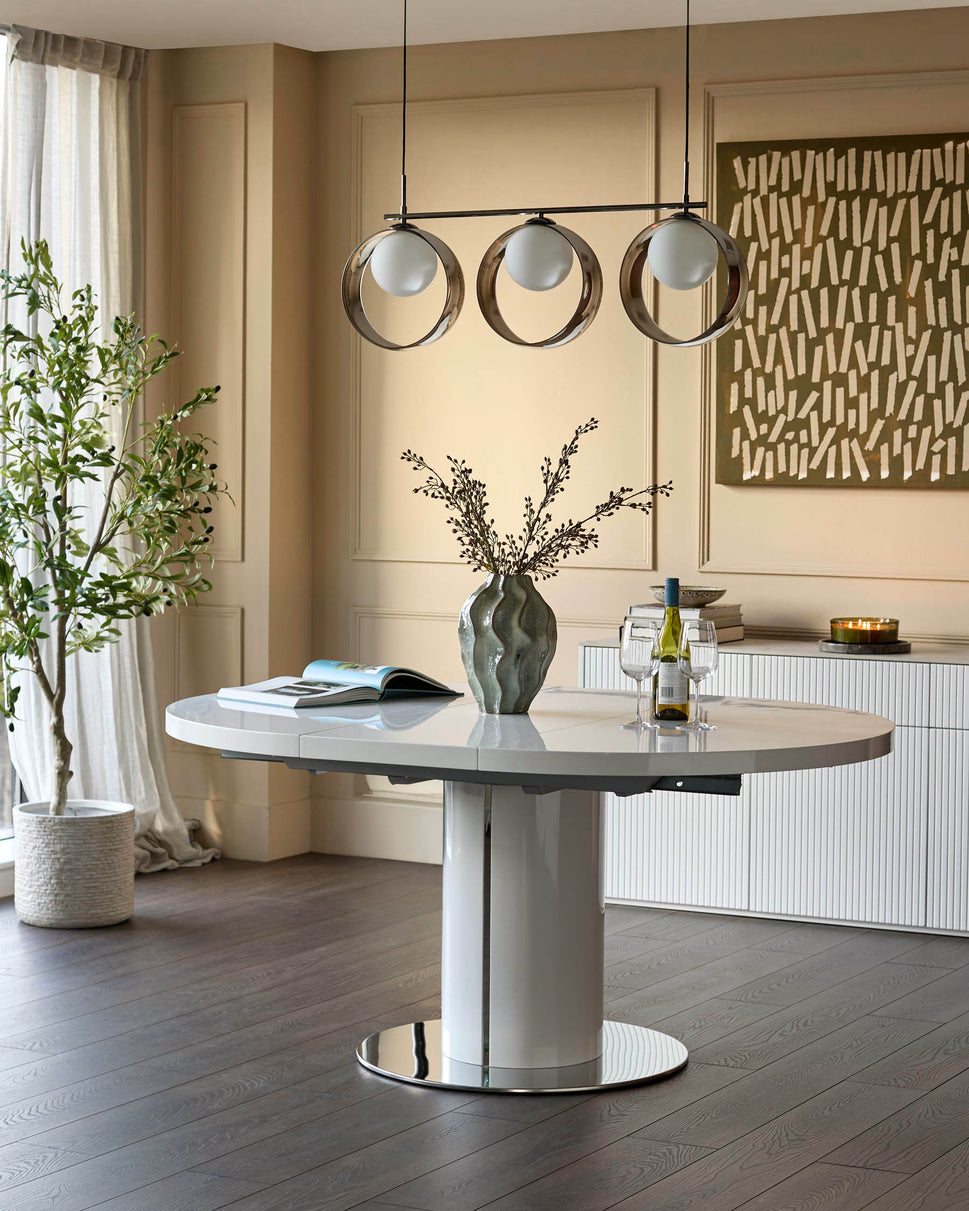
This simple routine works particularly well for high gloss dining tables, coffee tables, side tables and sideboards.

High Gloss Furniture FAQs
What is the best way to clean high gloss furniture?
The best way to clean high gloss furniture is with a soft microfibre cloth. For everyday cleaning, dust regularly and use a lightly damp cloth for marks, followed by a dry cloth to restore the shine.
Can I use furniture polish on high gloss furniture?
Only use polish that is suitable for high gloss or lacquered finishes. Apply sparingly and test it first on an inconspicuous area.
How do you remove fingerprints from high gloss furniture?
Most fingerprints can be removed with a clean microfibre cloth. More stubborn marks may require a lightly damp cloth before buffing dry.
Can high gloss furniture scratch easily?
Like most smooth surfaces, high gloss finishes can show scratches if they're not protected. Using placemats, coasters, and felt pads beneath decorative accessories can help minimise everyday wear.
Can scratched high gloss furniture be repaired?
Minor surface marks can often be improved with specialist products designed for high gloss finishes. Deeper scratches may require professional repair depending on the severity of the damage and the type of finish.
Should high gloss furniture be kept out of sunlight?
Where possible, avoid prolonged direct sunlight. Strong UV exposure can affect the appearance of the finish over time, particularly in bright south-facing rooms.
Final Thoughts
High gloss furniture is made to be lived with, not worried over. With the right care, it will continue to bring light, polish, and a clean contemporary finish to your home.
The best high gloss maintenance routine is simple: dust regularly, clean gently, dry thoroughly, and protect the surface from heat, scratches, and spills.
Because when a finish is this reflective, every detail matters - and a little care keeps it looking beautifully considered.