Skip to content


A console table is one of those pieces that quietly transforms a room. Slim in profile but surprisingly versatile, it can turn an awkward empty wall, narrow hallway, or unused corner into something purposeful and considered.
Whether styled in an entranceway, placed behind a sofa, or used as a streamlined dressing table, the right console table adds both function and balance to a space without overwhelming it.
In this guide, we’ll walk through everything you need to know - from console table sizing and placement to styling ideas and common mistakes to avoid.
What This Guide Covers
- What a console table is used for
- How to choose the right size console table
- How much space you need in a hallway
- Where to place a console table in your home
- Styling ideas for console tables
- Common console table mistakes to avoid
- Console table FAQs

What Is a Console Table Used For?
A console table is designed to add functionality without taking up too much space. Its slim shape makes it ideal for narrower areas where larger furniture would feel too heavy or restrictive.
Console tables are commonly used to:
- Create a surface for lighting and decorative styling
- Add practical storage in hallways and entryways
- Fill awkward or unused wall space
- Zone open-plan living areas
- Introduce balance behind a sofa or against a long wall
They’re also one of the easiest ways to make a room feel more finished. Even a simple arrangement of a lamp, books, and a mirror can make a previously empty area feel intentional.
Console Table Size Guide
Getting the proportions right is one of the most important parts of choosing a console table.
A piece that’s too deep can interrupt the flow of a room, while one that’s too small may feel disconnected from the space around it.
How Deep Should a Console Table Be?
The ideal console table depth depends on where it will sit.
As a general guide:
- Narrow hallway console tables: 25–30cm deep
- Standard console tables: 35–45cm deep
- Behind-sofa console tables: 30–40cm deep
If you’re furnishing a hallway, always leave enough clearance to move comfortably around the table. A hallway should feel open and easy to walk through, not restricted.
Slim console tables are particularly effective in smaller homes or apartments where every centimetre matters.
How Tall Should a Console Table Be?
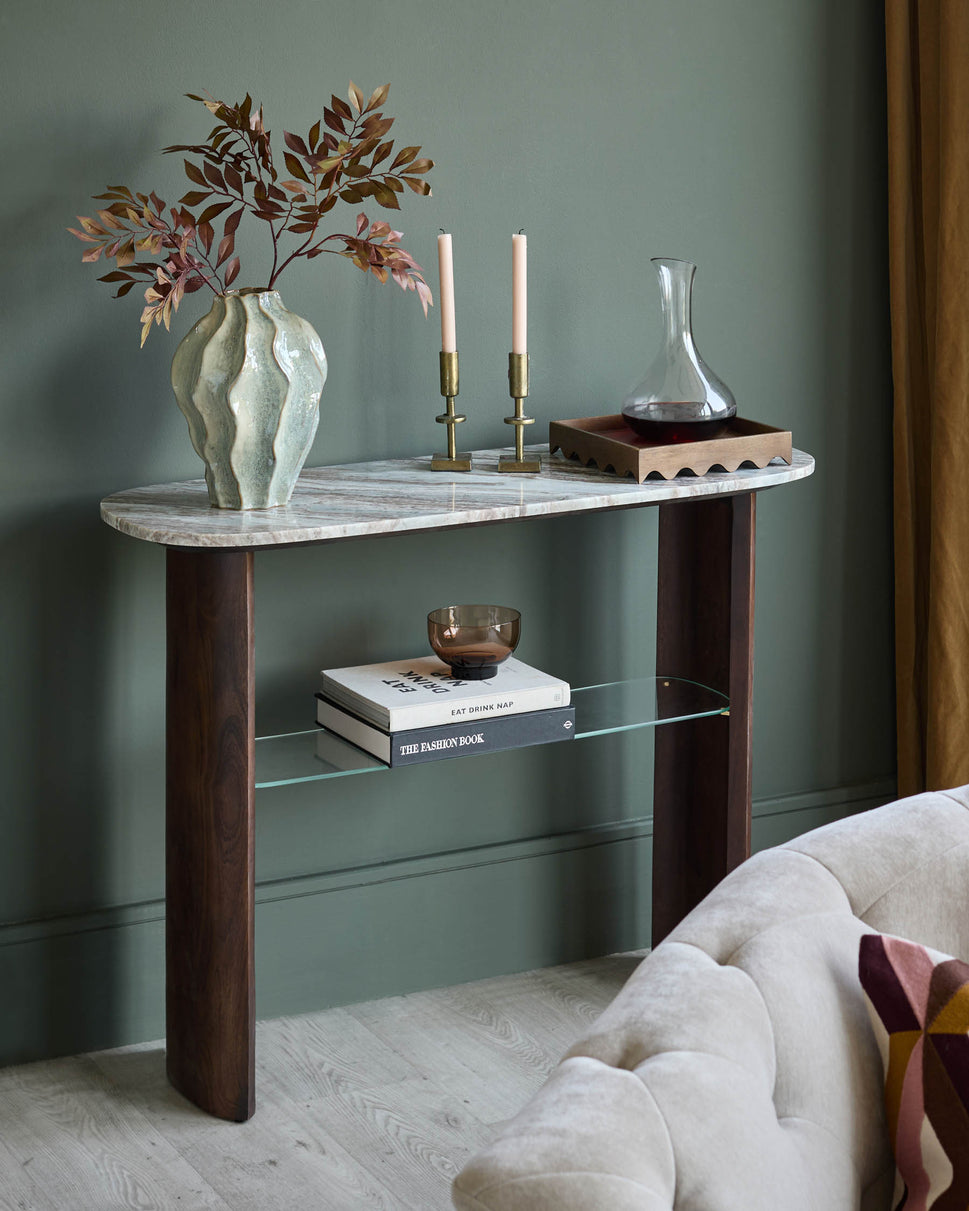
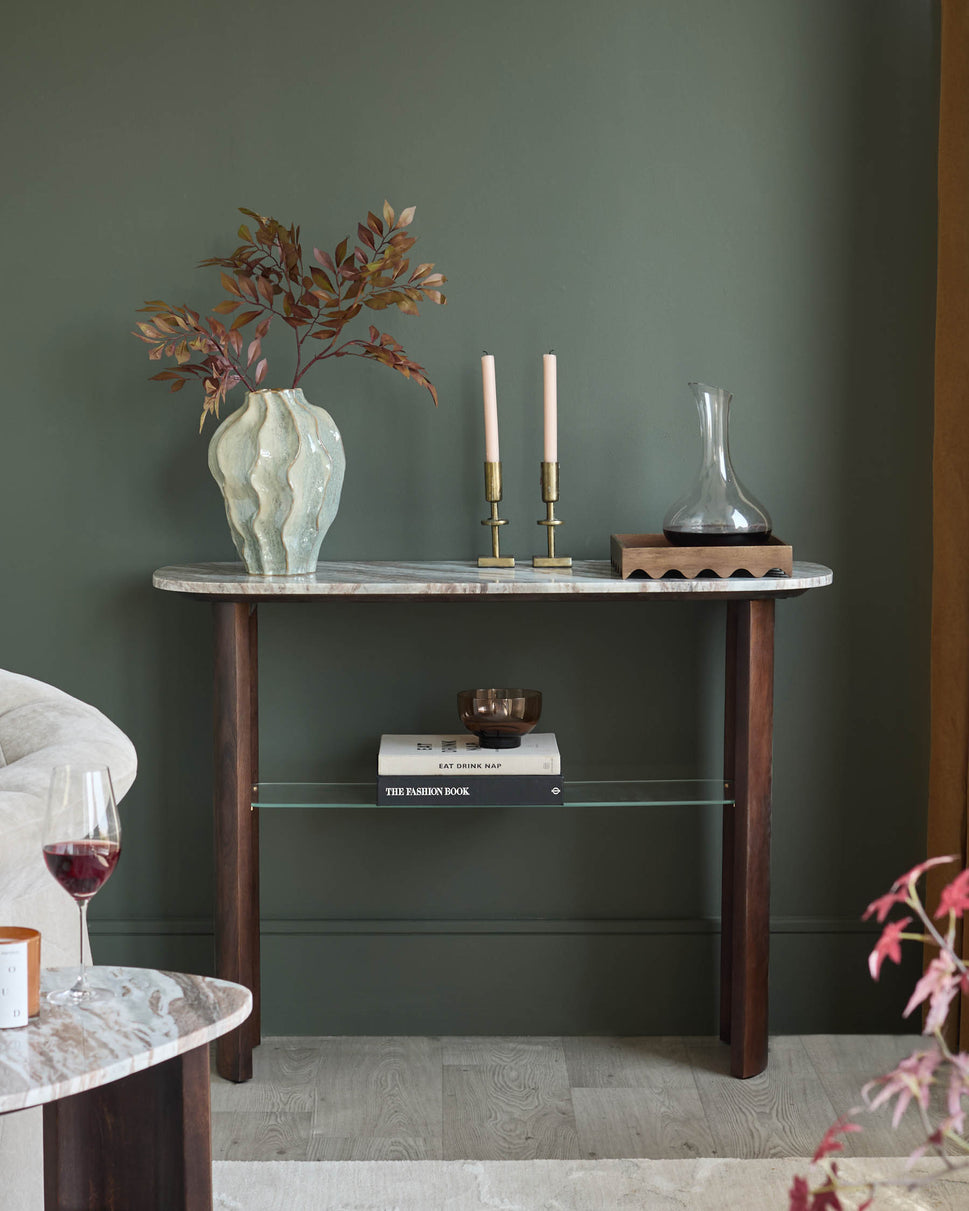
Most console tables sit between 70–85cm high.
The right height often depends on what the table is being paired with. For example:
- Behind a sofa: ideally level with or slightly lower than the sofa back
- Beneath artwork or a mirror: leave enough visual breathing room above
- Used as a dressing table or desk alternative: ensure comfortable seated height
Good proportions are what make a console table feel integrated into the room rather than simply placed against a wall.
How Much Space Should You Leave Around a Console Table?
A console table may have a slim footprint, but spacing still matters.
Aim to leave:
- At least 60–80cm of walking space in hallways or entryways
- Enough room to comfortably access drawers or shelving if included
- Visual breathing room around styling pieces so the surface doesn’t feel overcrowded
The best layouts always feel effortless to move through.

Where to Put a Console Table
One of the reasons console tables work so well is their versatility. They’re not restricted to one room or one function.
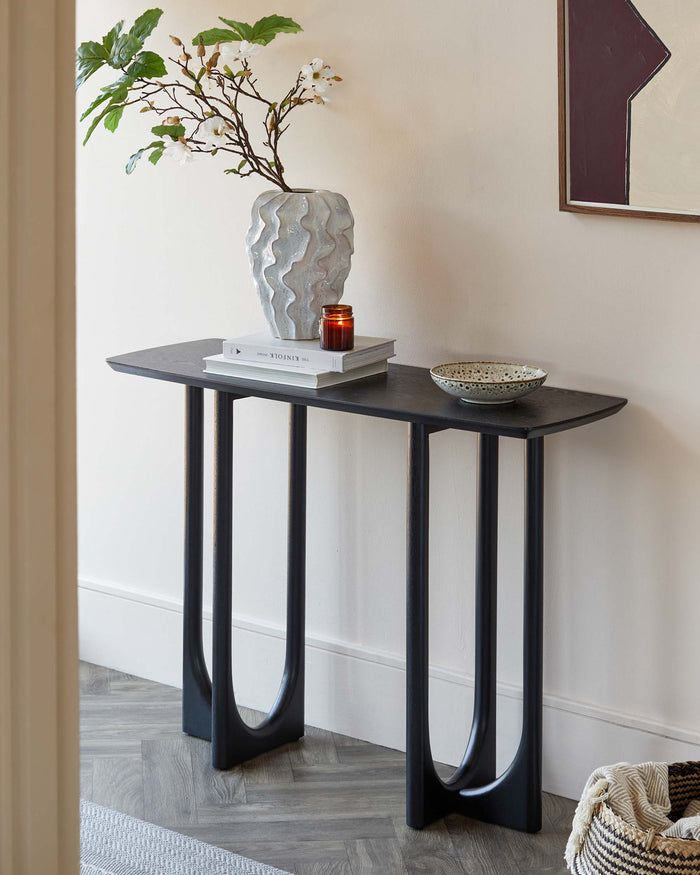
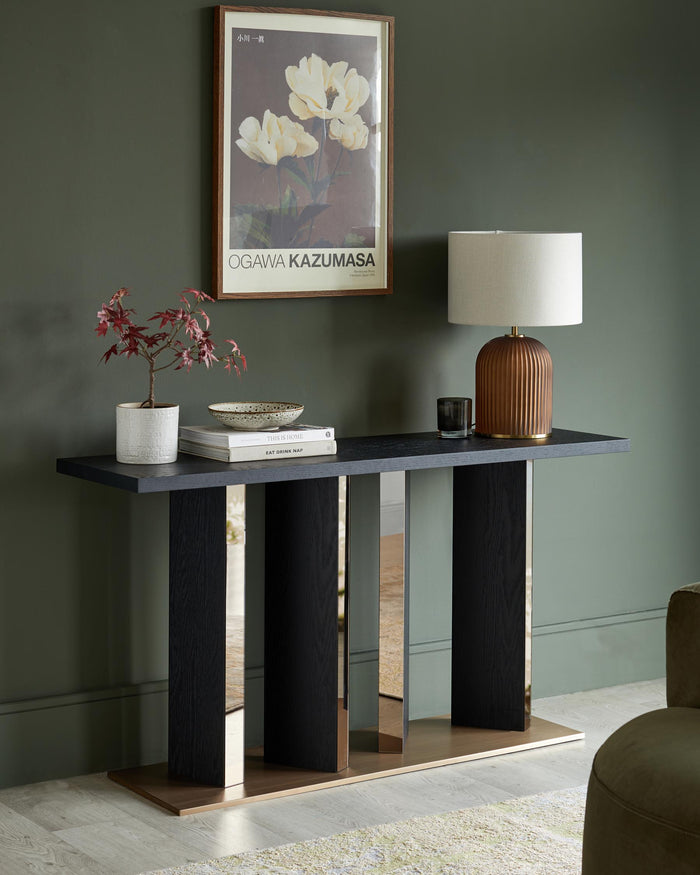
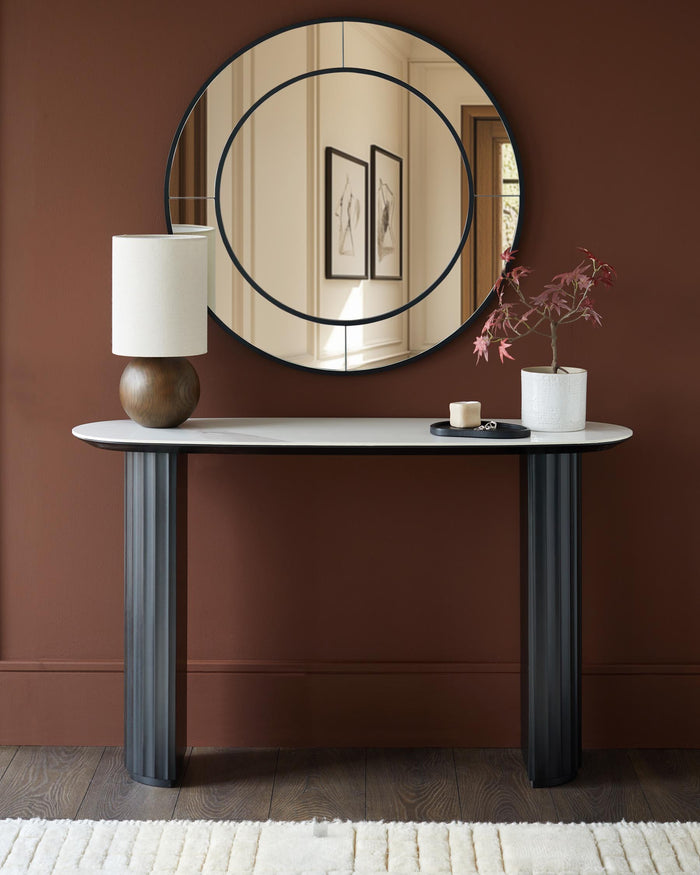
How to Style a Console Table in a Hallway
A hallway console table creates an instant sense of arrival.
It offers a practical surface for keys, post, or lighting, while also helping the entrance to your home feel more welcoming and complete.
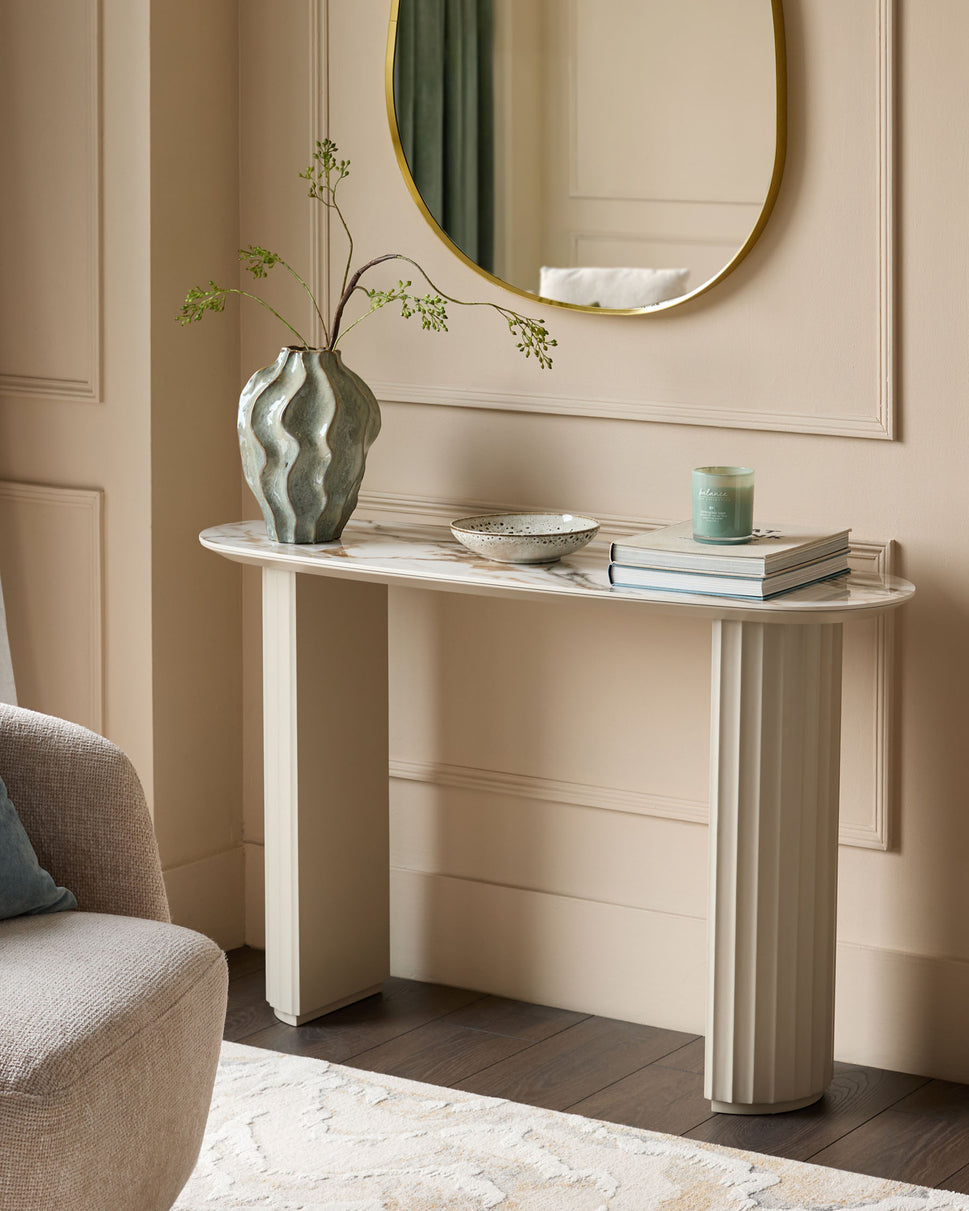
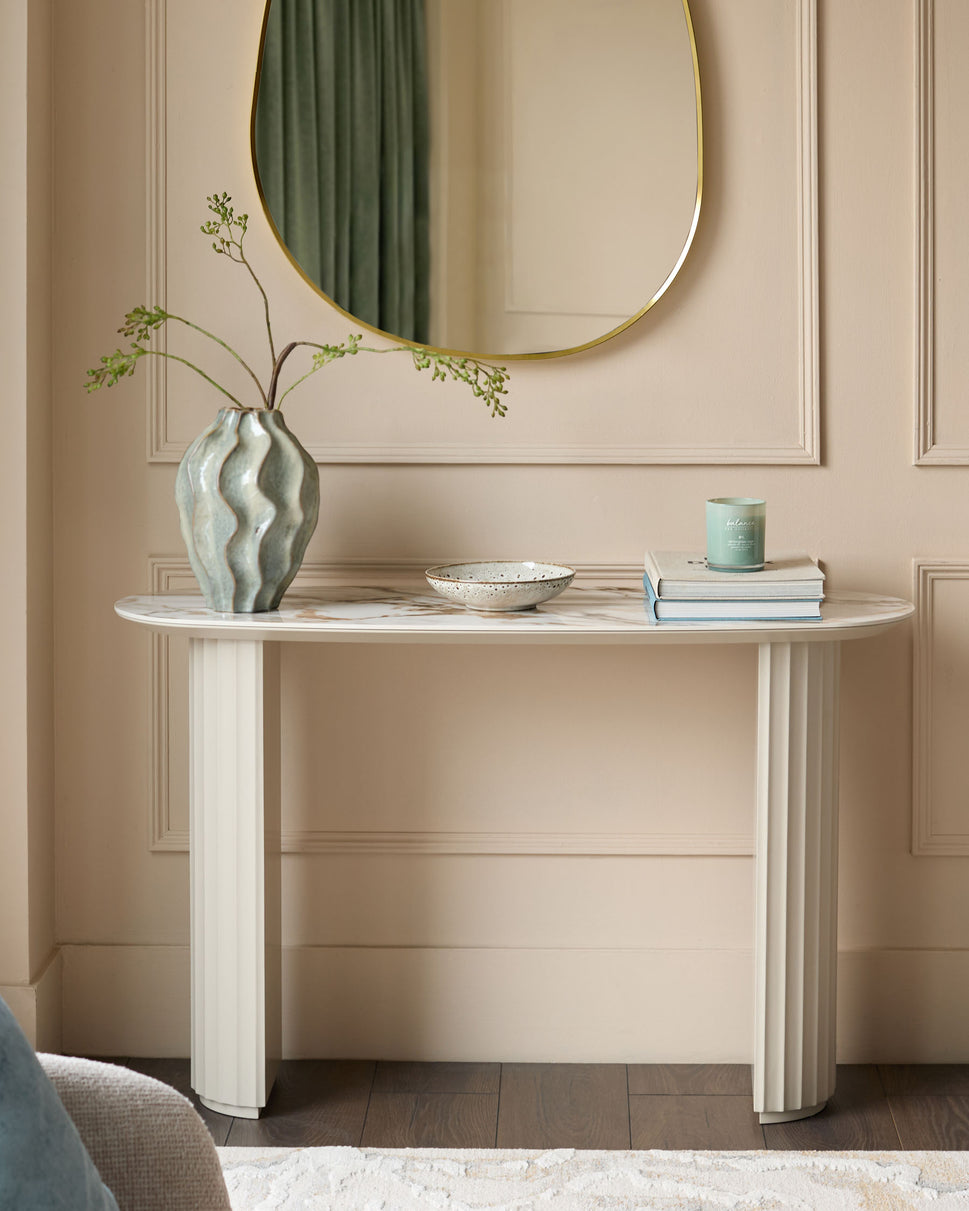
In narrower hallways, choose a slimmer console table to maintain a sense of openness. Pairing it with a mirror above will also help reflect light and visually expand the space.
Can You Put a Console Table Behind a Sofa?
Absolutely. A console table behind a sofa is one of the simplest ways to make an open-plan living room feel more structured.
It creates a subtle division between zones while also adding a useful surface for lighting, books, or decorative objects.
This works particularly well with slimmer console designs that won’t visually compete with the rest of the room.
Using a Console Table in a Dining Room
In a dining room, a console table can act as an additional styling surface or serving space when entertaining.
It’s also useful for:
- Displaying glassware or ceramics
- Positioning table lamps to soften the atmosphere
- Creating balance along a longer wall
A console table can also provide a natural home for occasional seating such as ottomans or dining chairs when not in use.
Can a Console Table Work in a Bedroom?
Yes - particularly in smaller bedrooms where space is limited.
A console table can work beautifully as:
- A streamlined dressing table
- A compact desk area
- An alternative to bulkier bedroom furniture
Its slimmer proportions help keep the room feeling lighter and more open.
How to Choose the Right Console Table Material
The finish of your console table has a big impact on how the room feels overall.
Different materials bring different qualities into a space - whether that’s warmth, lightness, texture, or contrast.
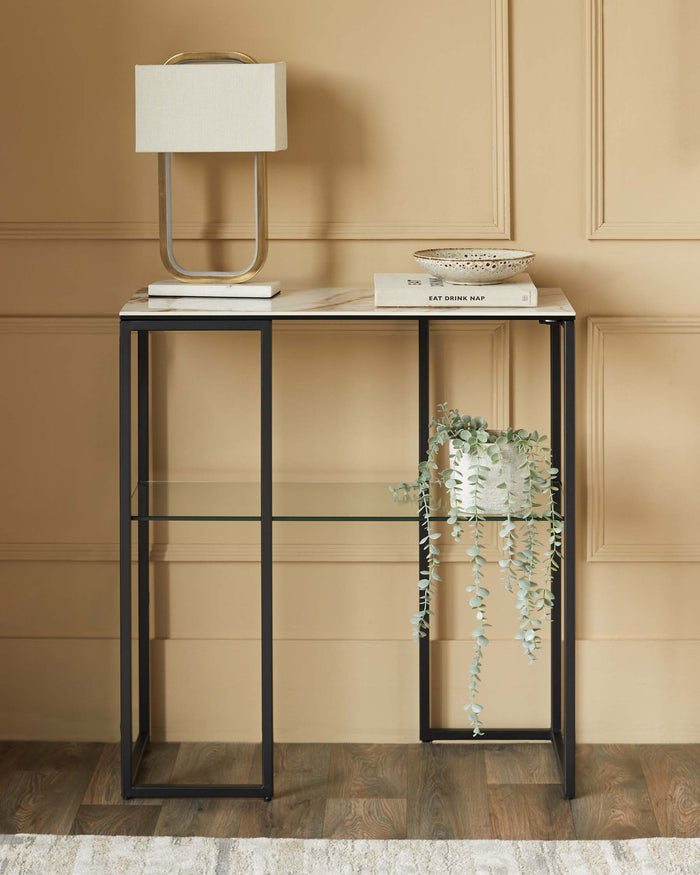
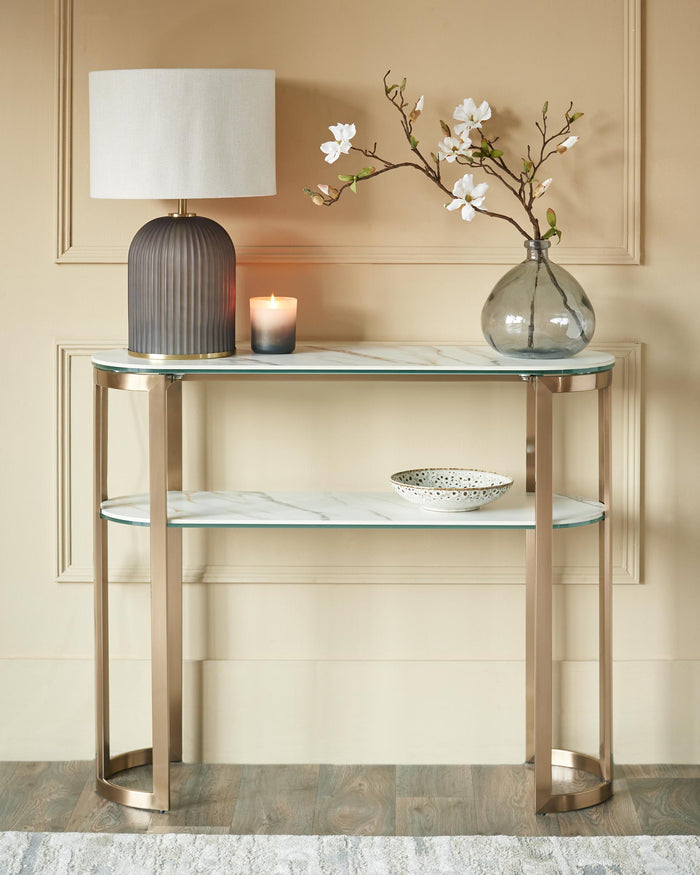
Glass Console Tables
Glass console tables are ideal for smaller spaces because they allow light to move more freely through the room.
They feel visually lighter, making them particularly effective in narrow hallways, compact apartments and rooms with lots of existing colours or texture
Glass paired with metal finishes also adds a more contemporary edge without feeling overpowering.
High Gloss Console Tables
Gloss finishes help reflect light and create a cleaner, more polished look.
Lighter gloss finishes feel crisp and modern, while darker tones bring warmth and depth to a space. They work especially well in interiors that lean more contemporary or minimal.
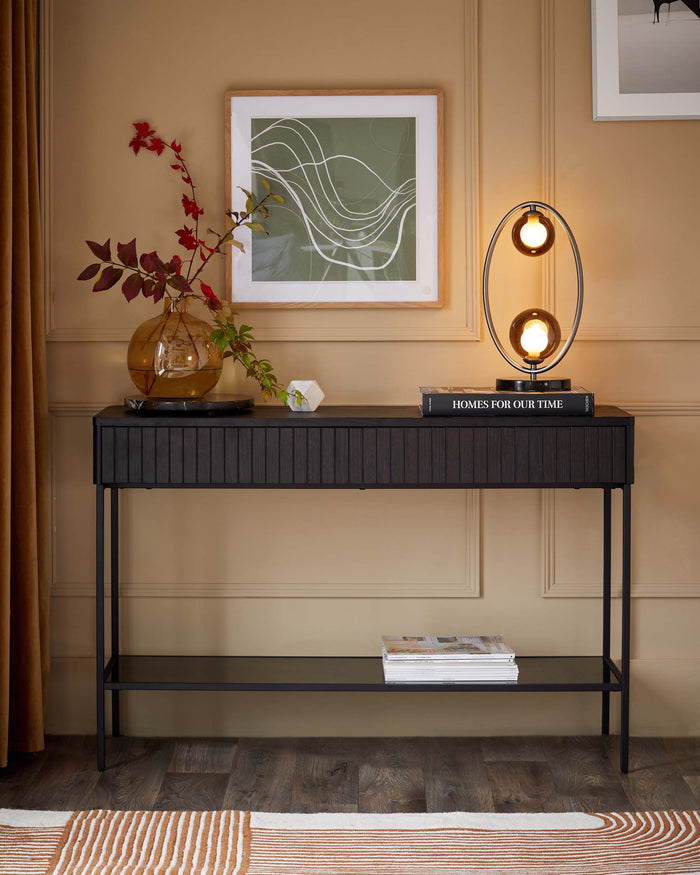
Wood Console Tables
Wood finishes bring texture and warmth into a room, helping the space feel more grounded and inviting.
Walnut tones create richness and contrast beautifully with darker metals, while lighter oak finishes soften contemporary interiors and add a more tactile quality.
Wood also works particularly well in hallways and entrance spaces, where creating warmth matters most.

How to Style a Console Table
Styling a console table is less about filling the surface and more about creating balance.
The most effective console arrangements combine height, texture, and negative space so the overall composition feels layered but not cluttered.
Use Lighting to Anchor the Space
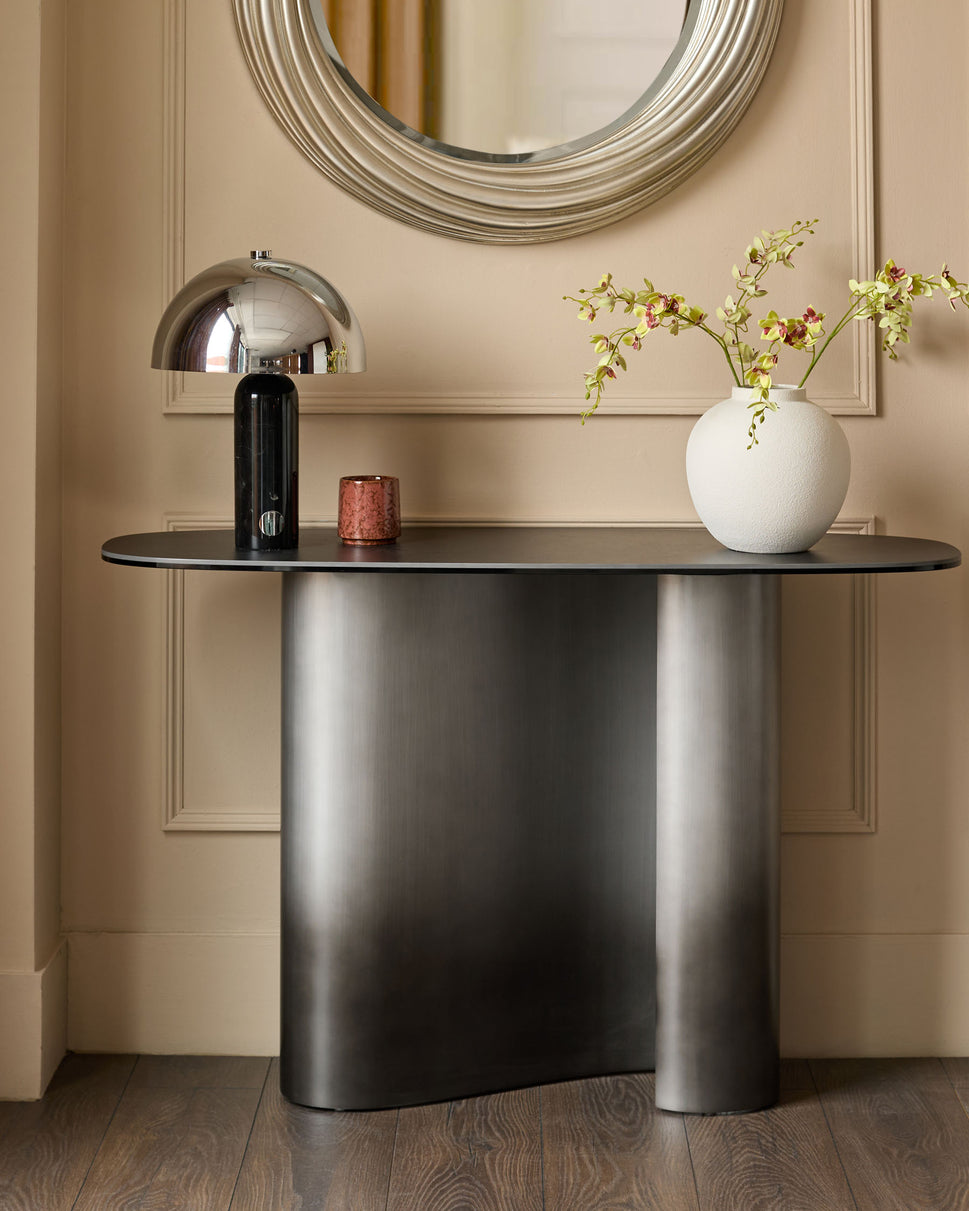
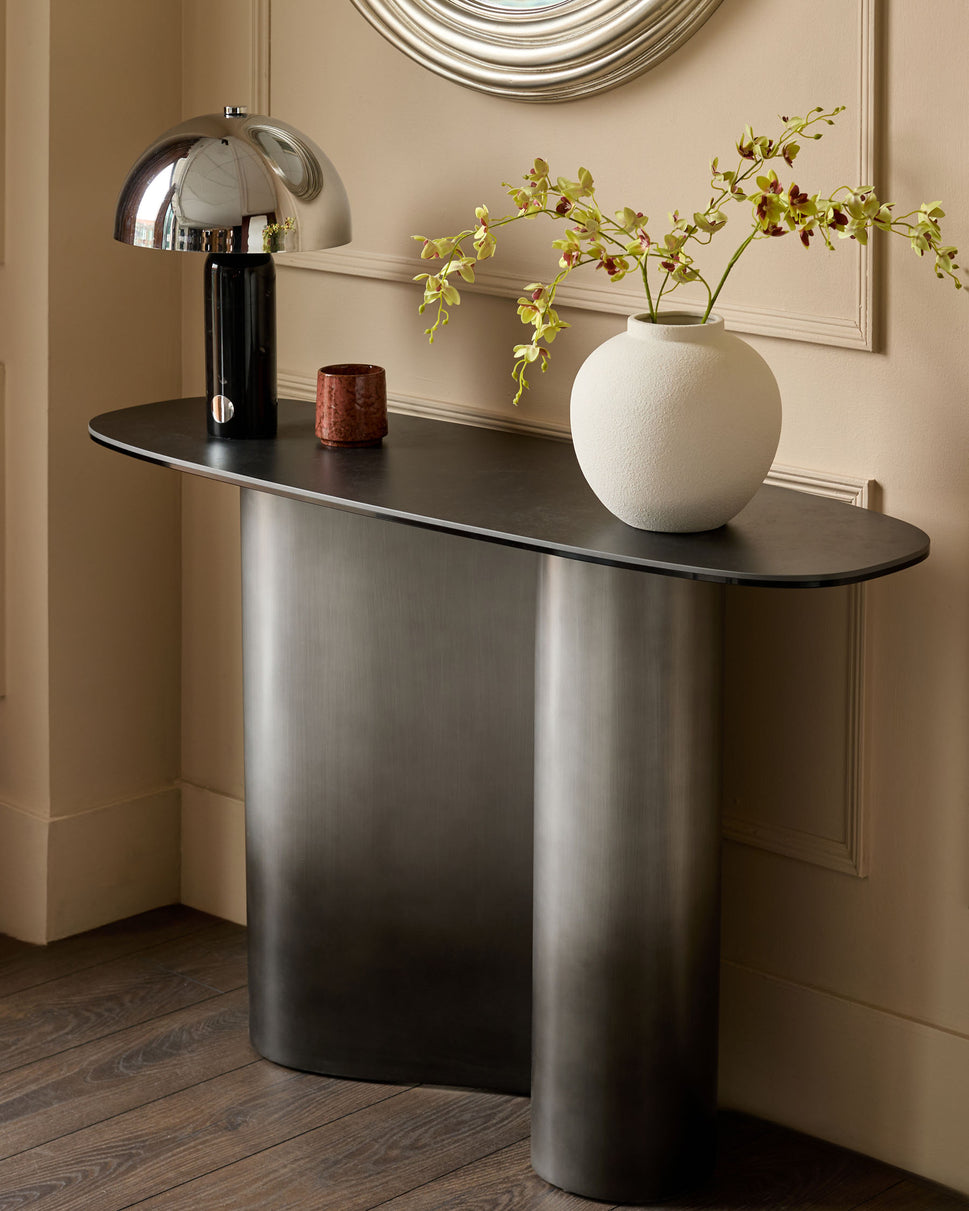
Table lamps are one of the easiest ways to make a console table feel intentional.
A pair of lamps creates symmetry, while a single oversized lamp adds more sculptural impact.
Lighting also softens hallways and transitional spaces, making them feel warmer and more inviting.
Layer Artwork and Mirrors
Mirrors help reflect light and create depth, particularly in smaller hallways.
Artwork layered above or slightly overlapping the console creates a more relaxed, curated look than hanging pieces in isolation.
The key is scale - oversized pieces generally create more impact than several smaller items competing for attention.
Introduce Texture Through Accessories
Books, ceramics, trays, and baskets all help bring texture into the arrangement.
Instead of styling lots of small objects individually, group pieces together to create calmer, more cohesive styling moments.
A console table should feel considered, not overcrowded.
Make Use of the Space Underneath
The area beneath a console table is just as important as the surface itself.
Ottomans, baskets, or stools can help add functionality while keeping the room visually balanced. This is particularly useful in smaller homes where furniture often needs to work harder.
Common Console Table Mistakes to Avoid
Even a beautifully designed console table can feel out of place if the proportions or styling aren’t right.
Some of the most common mistakes include:
- Choosing a console table that’s too deep for the hallway
- Hanging mirrors or artwork too high above the table
- Overcrowding the surface with too many accessories
- Ignoring lighting altogether
- Choosing style without considering practical storage needs
The most successful console table setups balance practicality with restraint.
Console Table FAQs
Are console tables good for small spaces?
Yes. Their slim profile makes them ideal for hallways, apartments, and narrower rooms where larger furniture may feel too bulky.
What should you put on a console table?
Table lamps, books, trays, ceramics, mirrors, and baskets all work well. The key is balancing decorative styling with enough clear surface space so the arrangement feels intentional rather than cluttered.
How narrow can a console table be?
Some narrow console tables are as slim as 25cm deep, making them ideal for tighter hallways or compact spaces.
Final Thoughts
A console table may be one of the quieter pieces in a room, but when chosen well, it has a significant impact on how a space feels and functions.
By getting the proportions right, choosing a finish that complements your interior, and styling it with restraint, a console table can transform even the most overlooked corner into something considered and useful.
Because ultimately, the best furniture doesn’t just fill a space - it improves the way you live in it.