Skip to content
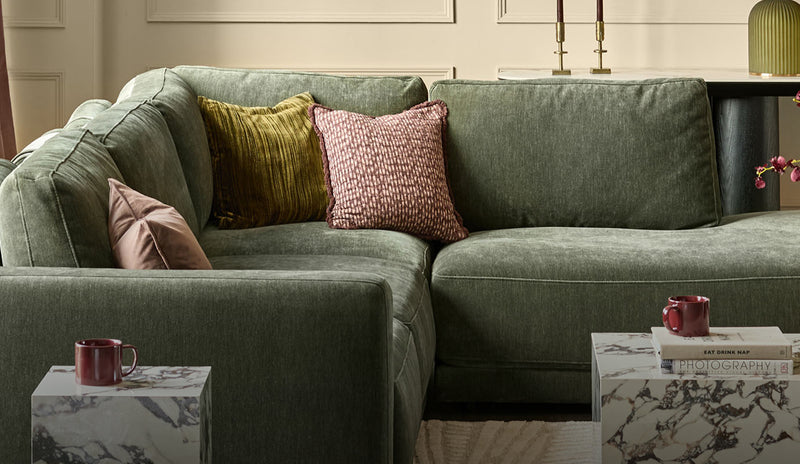
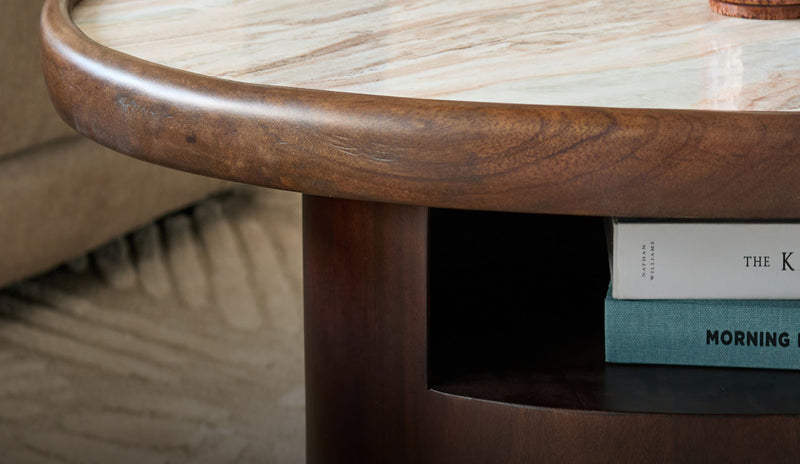


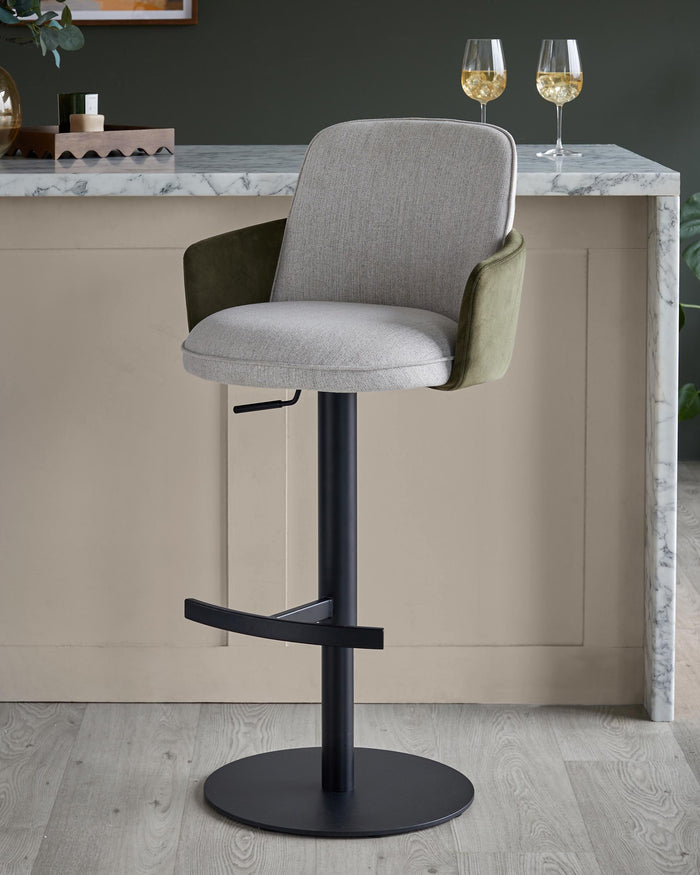
Mixed material furniture adds depth and visual interest to any room in an instant. So knowing what pieces to pick – and where to put them – is a must.
We asked our stylists to share their top interior design tips for curating, contrasting and creating a cohesive space by bringing mixed materials furniture into your home. Read on to learn all about:
How to choose mixed material furniture
How to read your furniture's design logic
Using colour to tie mixed materials together
Why repetition, not matching, makes a room feel considered
How to Style Mixed Material Furniture at Home: 4 Stylist Tips
How to Choose Mixed Material Furniture That Works in Your Space
"It doesn’t matter if you’re starting with a blank canvas, or searching for a new addition to your room. Mixed material furniture should always feel like a decision, not a compromise. Find a piece you love."
If you’re looking to refresh your bedroom, living room, or dining area with a mixed material furniture design, the piece has to earn its place without disrupting what's already working in your space. Ask yourself:
What materials are already within the room?
Does anything feel like it’s missing? This might be texture, warmth, or contrast.
Is there a colour that could be drawn out? Maybe something in a piece of art, or one of the cushions on your sofa.
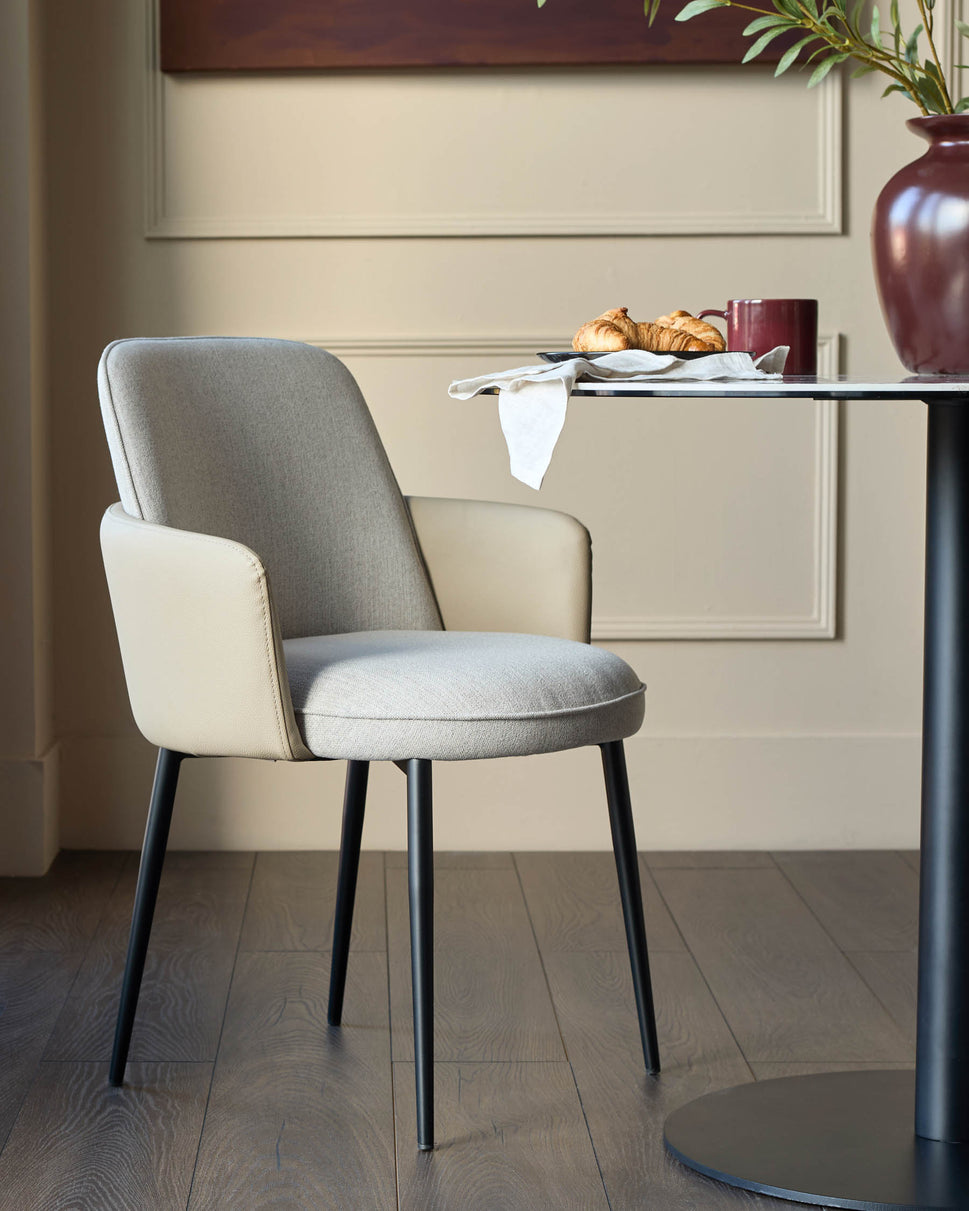
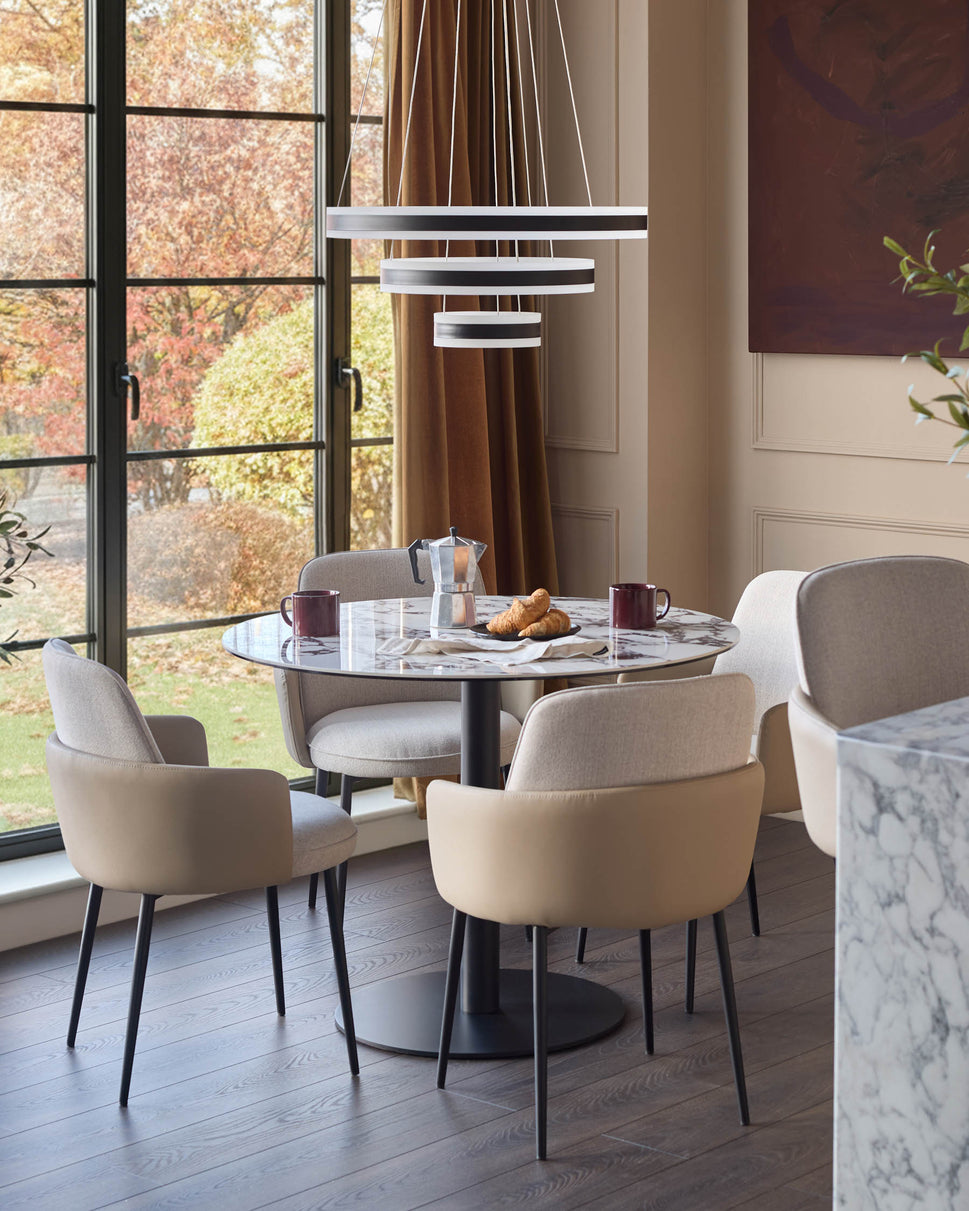
Find something that shares a visual language with what you have. That way, it’ll feel like it was made for your room, instead of sticking out.
If your room is a complete blank canvas, then you have more creative freedom. In this case, ask yourself:
How do I want the room to feel? Refined or relaxed? Cosy or energised?
What scale suits the room? Something bold and sculptural, or more understated?
Then look for something that embodies that feeling – and let your furniture become your moodboard.
Mixed material furniture works incredibly hard. And our designers have already solved the hardest styling problem for you. They thoughtfully paired textures, fabrics and colours, tested them, and put them into production because they work.
Explore our full collection of Mixed Material Furniture to introduce subtle contrast into your home.
How to Mix Materials and Textures Like a Designer
"Take your cues from the piece you choose."
Every mixed material piece has a logic to it. Learning how to mix textures in a room starts with learning to read that logic, and following where it leads.
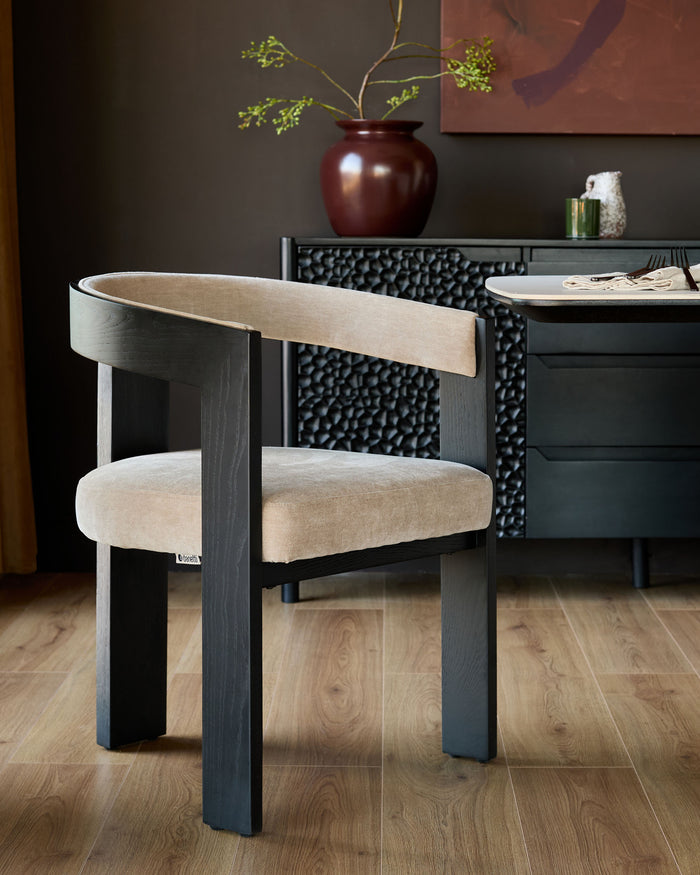
First, decide on the dominant material – the one that covers the most surface area, or carries the most visual weight. It might be a deep-grained wood frame, a sweep of leather upholstery, or a cool marble top. This material sets the primary texture for your room.

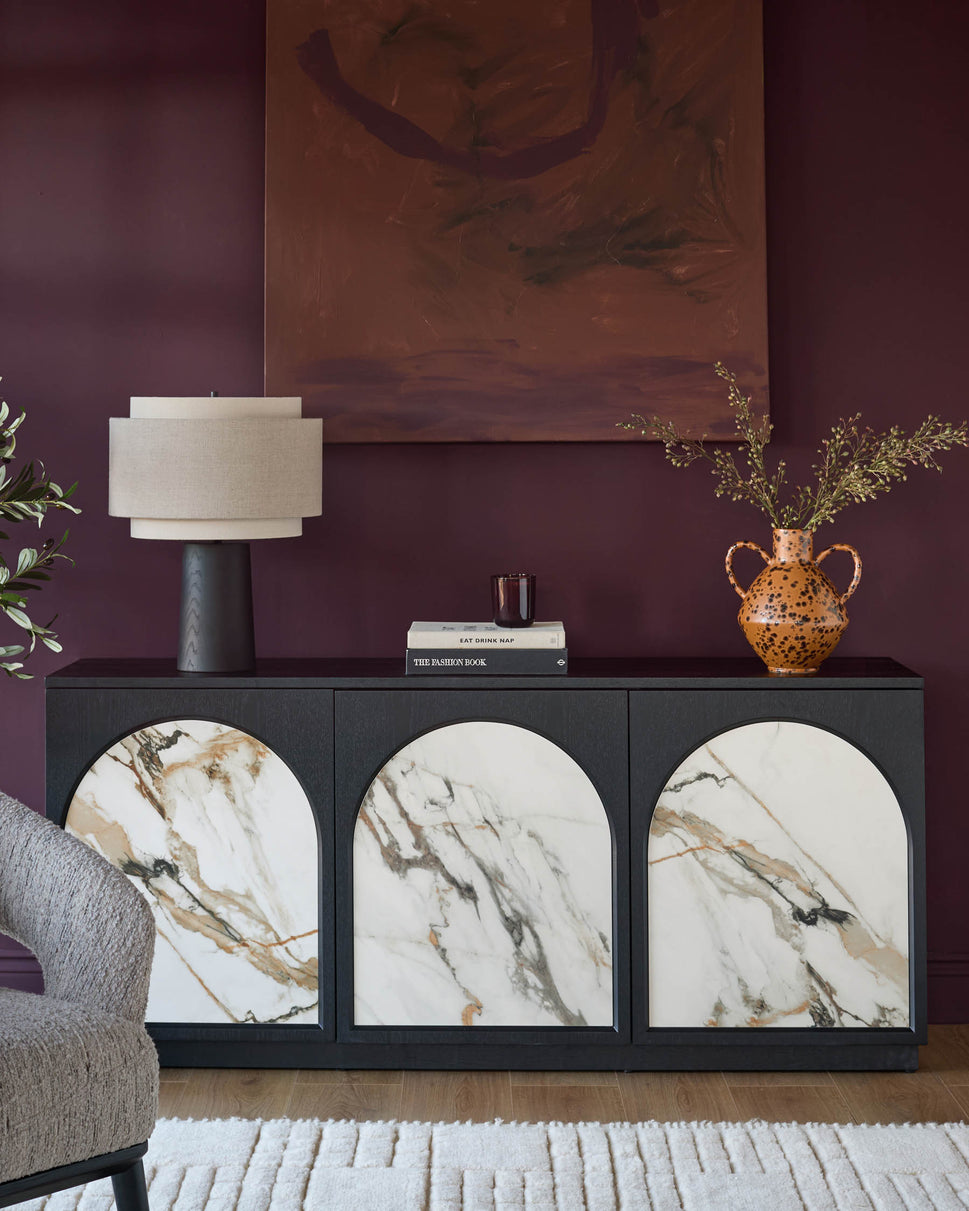
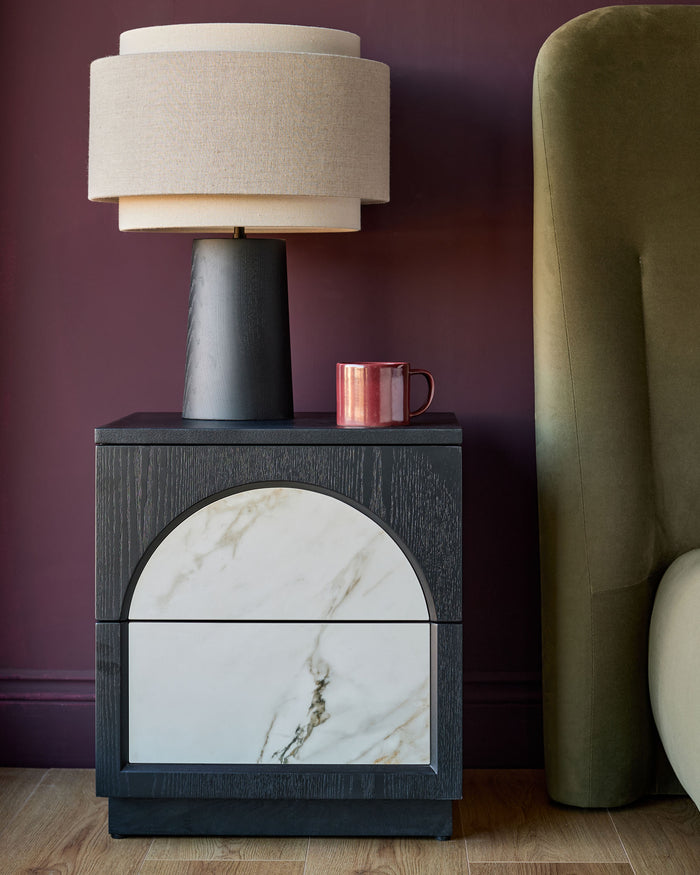
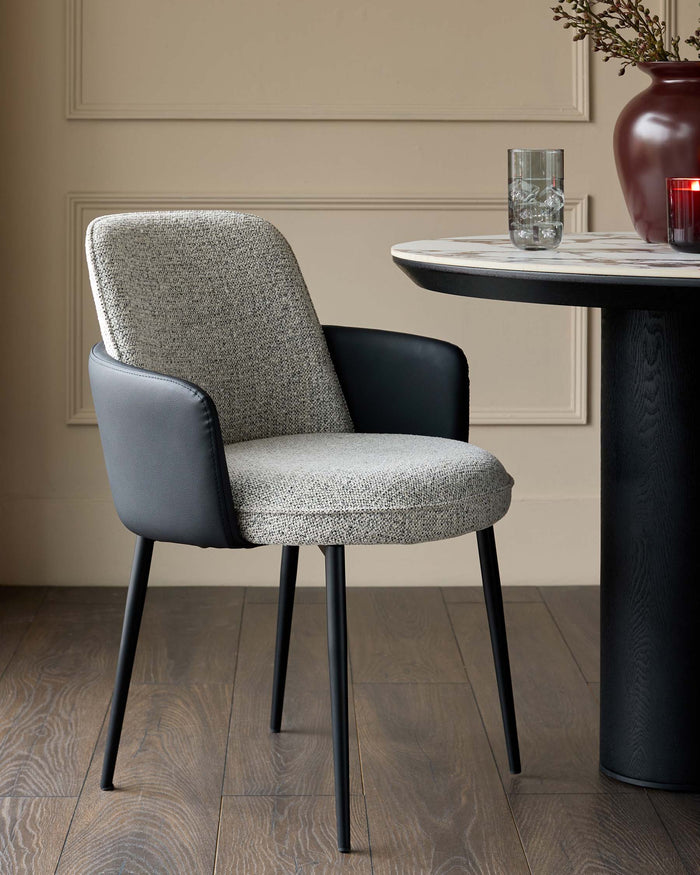
Then look at the accent material. This could be the velvet trim around a headboard, or the brushed bronze back legs of a dining chair. It appears less, but it matters just as much. Echo the detail more subtly across the room, in a lamp base or even something as small as a cabinet handle. These quiet repetitions are the difference between a room that feels considered, and one that feels thrown together.
Using Colour to Tie Mixed Materials Together
"Let the colour that ties your mixed material furniture together, tie your room together too."
Colour is the key to making furniture, textiles, and objects begin to feel like a single cohesive space instead of a series of individual purchases. It creates the sense that someone made a decision, held a vision, and followed it all the way through.
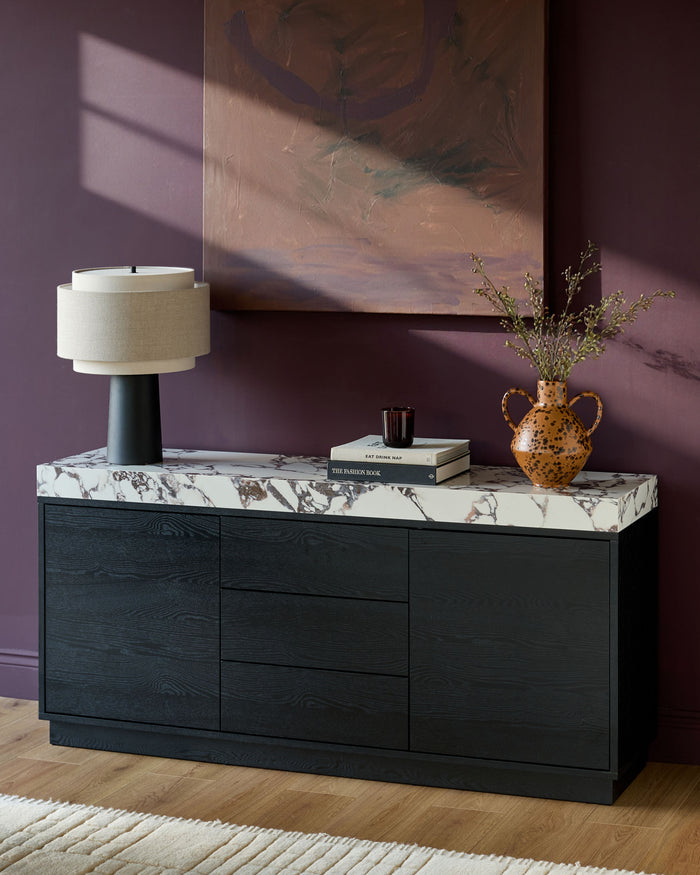
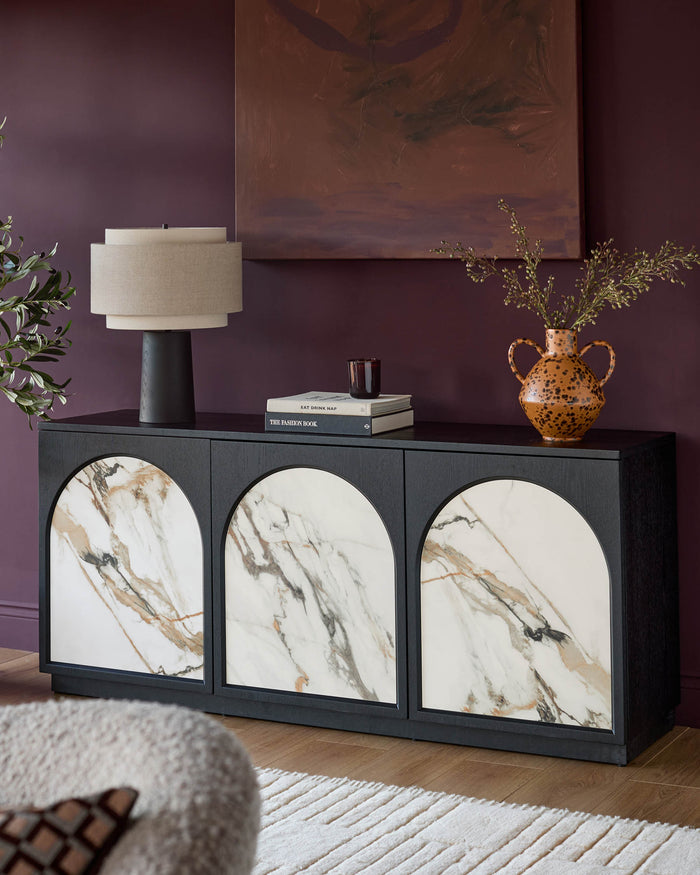
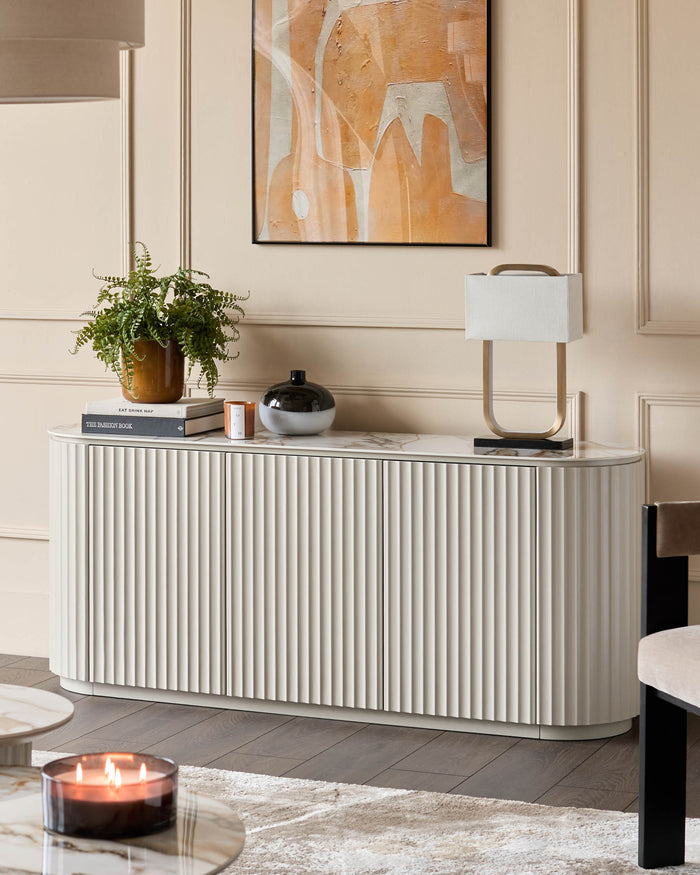
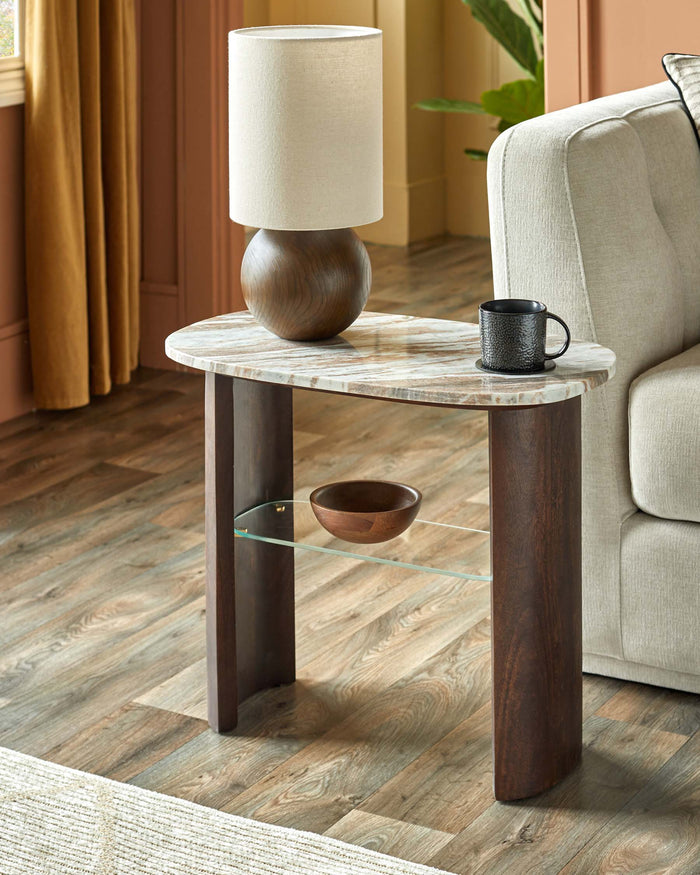
Though sometimes not obvious, every well-made mixed material piece has a tone that ties it together. The earthy brown veins running through both ceramic marble top and wood base. The warm honey that lives in both the oak and the aged brass. The slight grey hue that connects dark navy velvet to a black steel legs. If you’re not sure what it is, look at the places where one material meets another. This is where the shared colour tends to show itself most clearly. Hold the piece in different lights if you can, seeing where the unifying tone shifts.
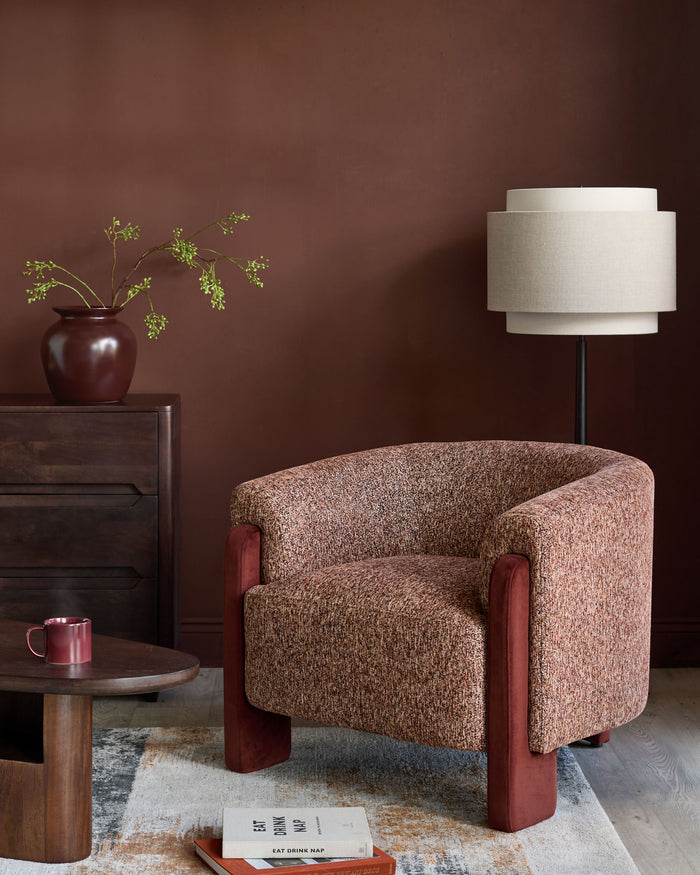
Once you've found that colour, treat it as your anchor for the rest of your space. Use it in your largest textile, where it will do the most work, like a sofa or a pair of curtains that run floor to ceiling. Or paint your walls (and even ceiling) in it. If you'd rather keep walls and large surfaces neutral, concentrate it in your most prominent accessory – the piece that draws the eye when you first walk in.
How to Style Mixed Material Furniture in Your Space
"Let each material ‘speak’ somewhere else."
Unlike other furniture, mixed material pieces already have an established set of colours, textures and materials. They are, effectively, a moodboard you can use across the rest of your space. So don’t style around it – style it out, with quiet echoes that give the whole space a refined composition.
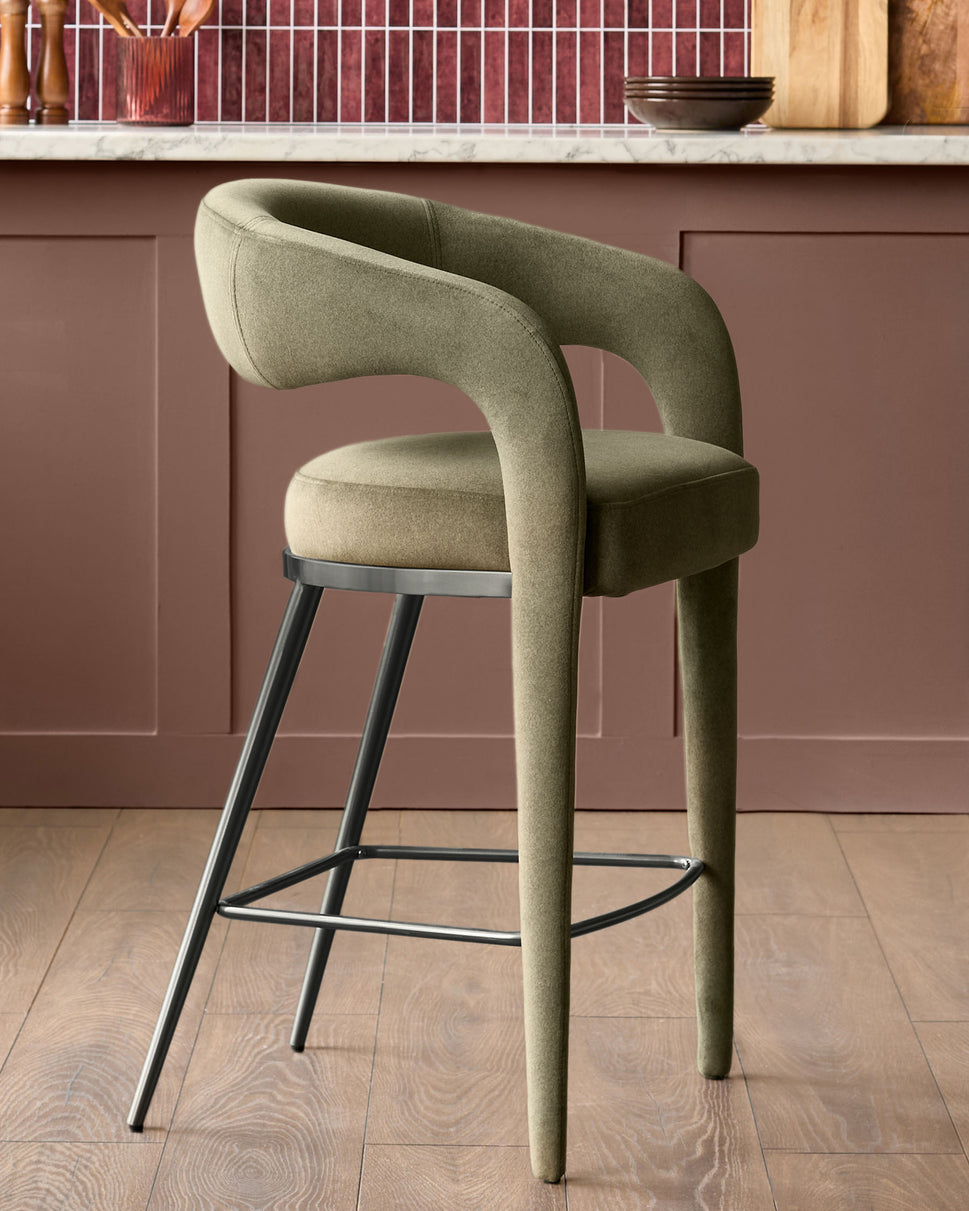
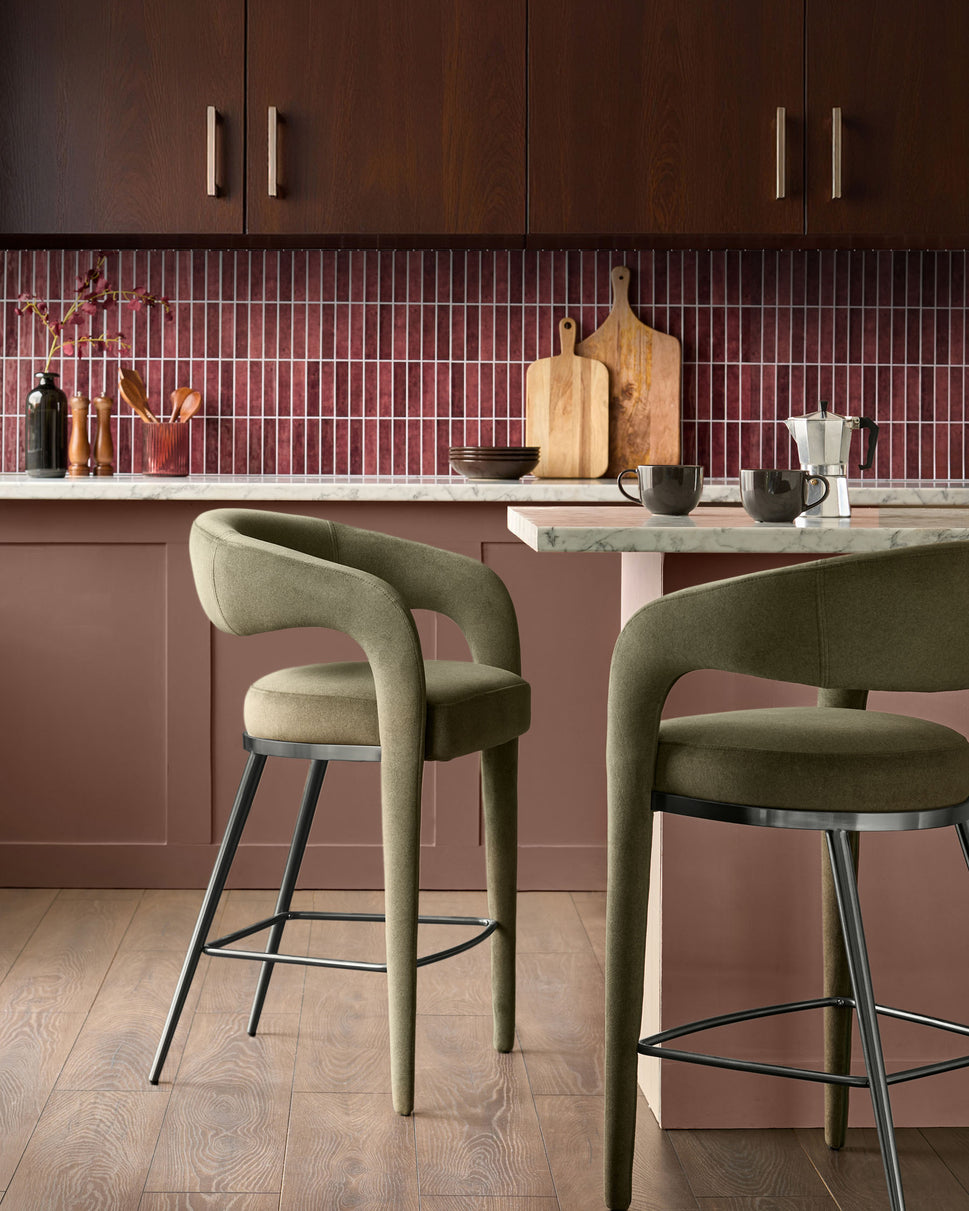
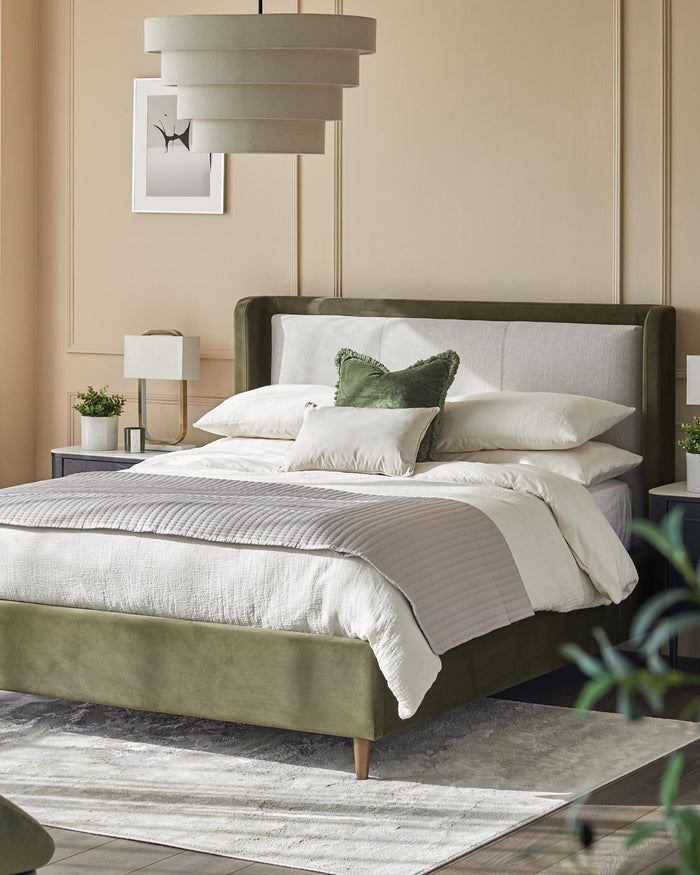
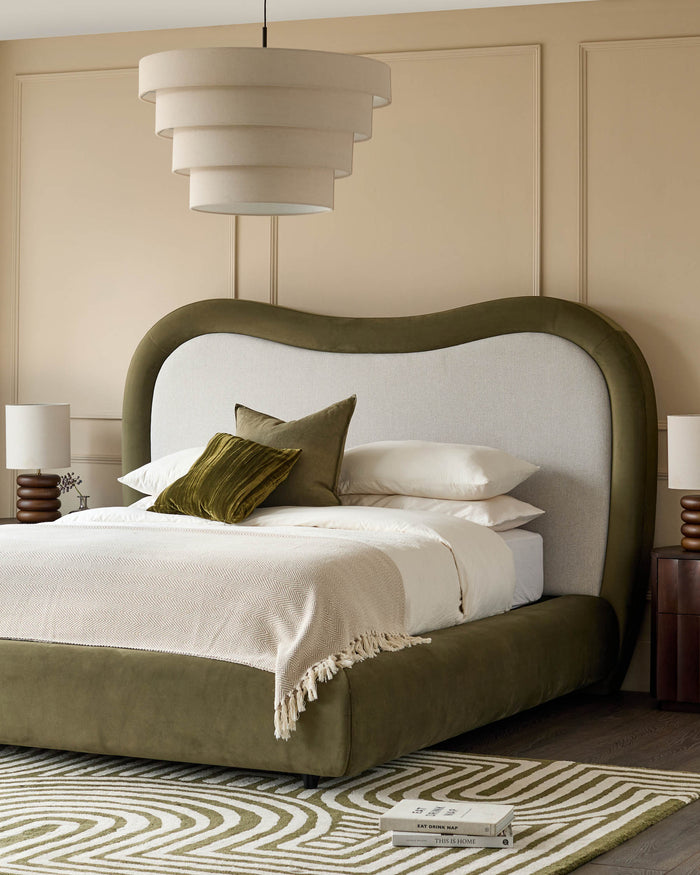
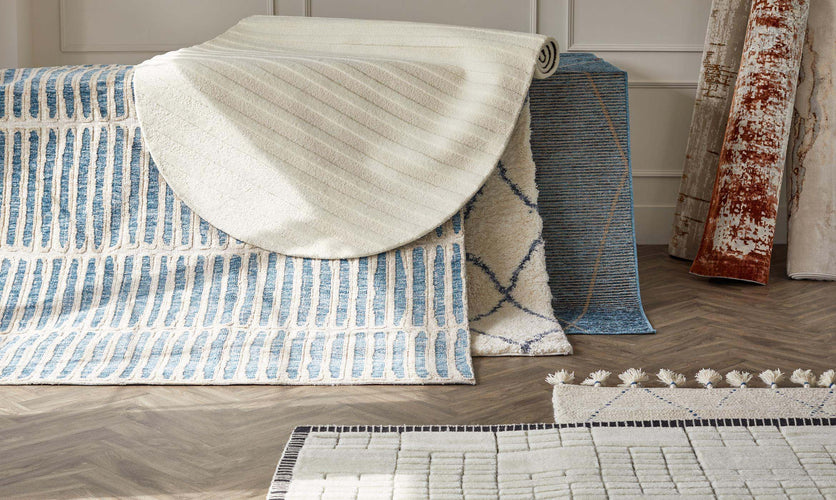
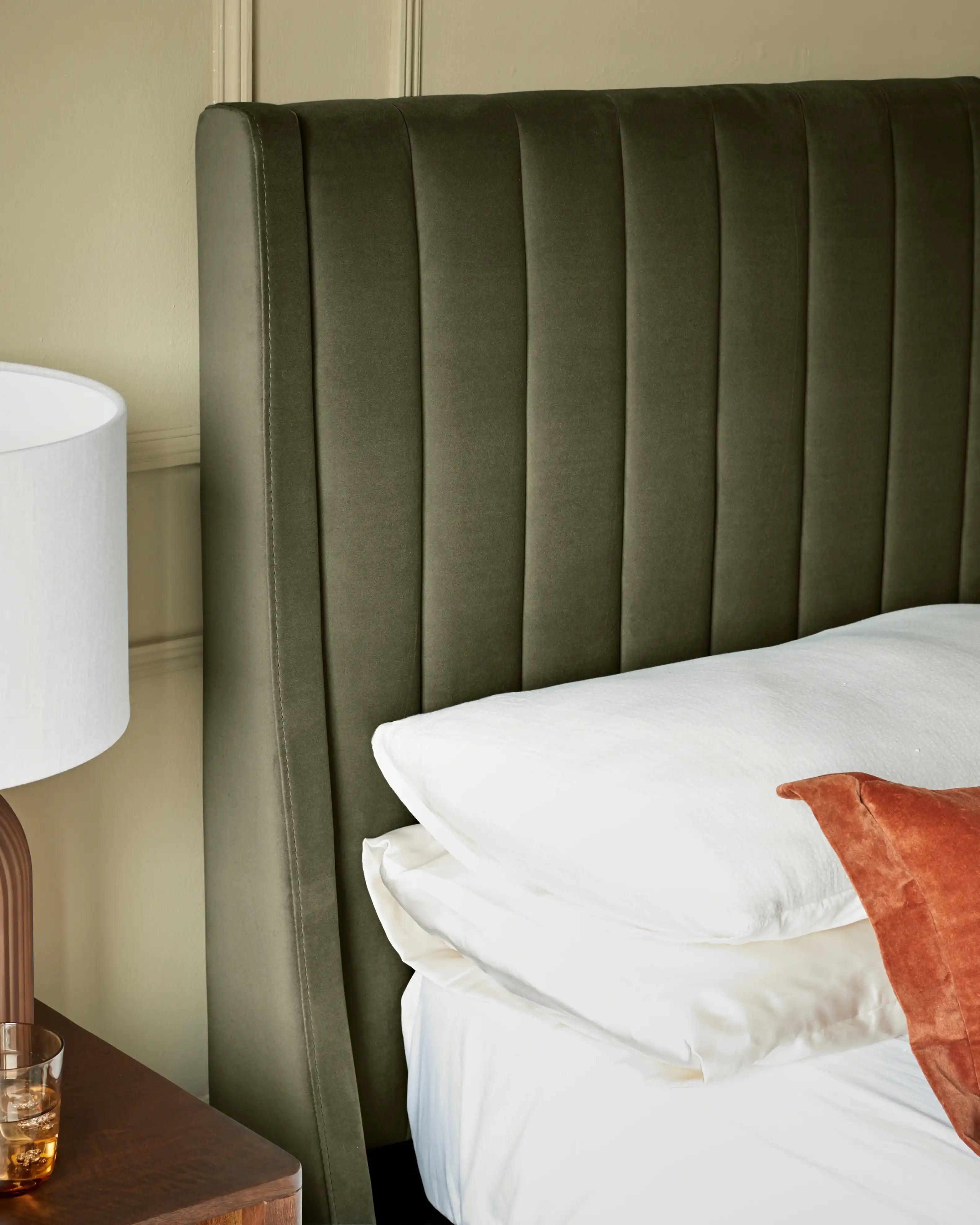
Take our Naomi bed, blending olive green velvet with natural chenille. The olive green tones of the velvet don’t need to appear on another large piece of furniture inside your bedroom. Instead, bring them in through a cushion, a lampshade, or even a rug like our Neo design.
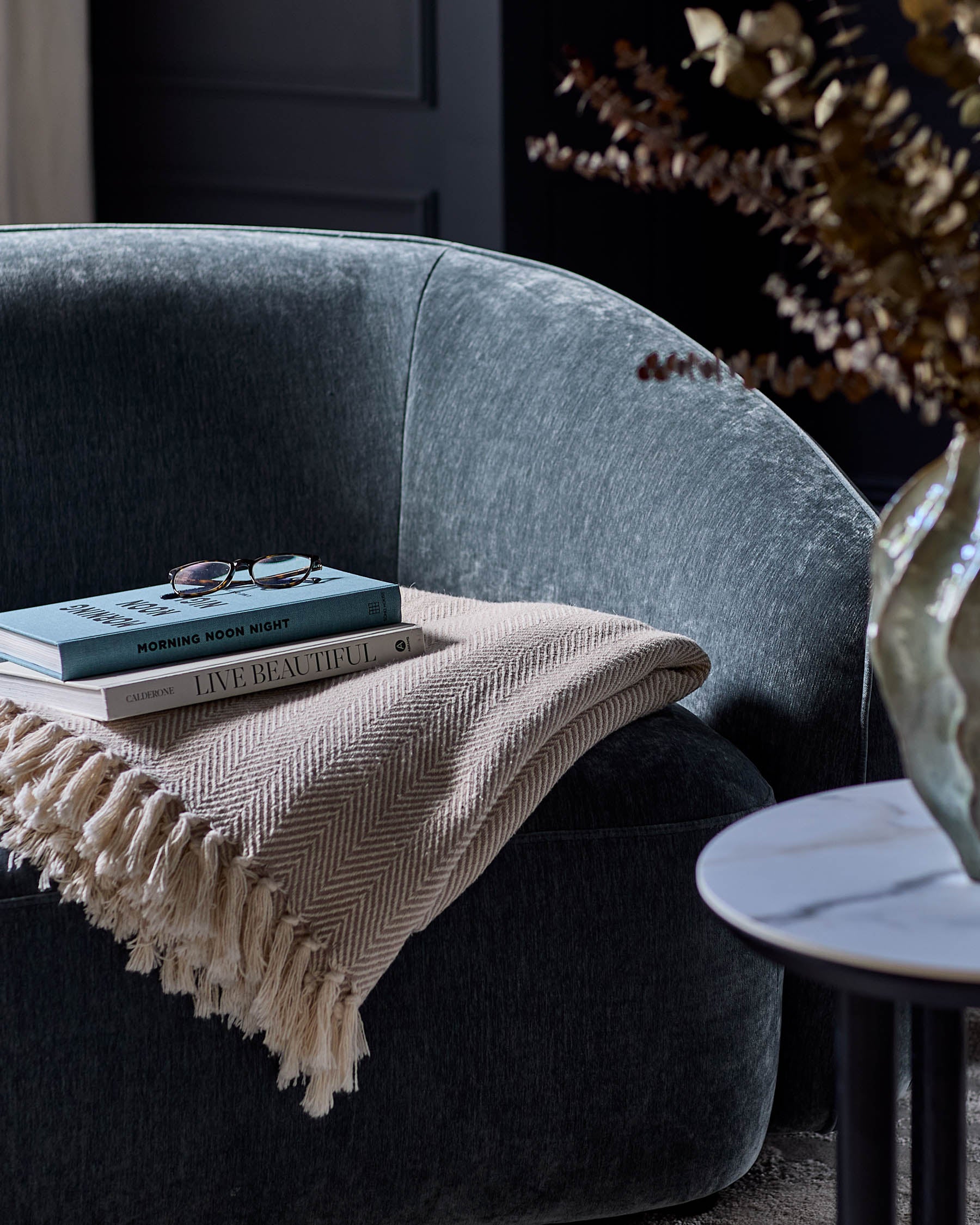
The chenille works slightly differently. Its defining feature is its texture, rather than its colour. So when you echo it, echo its tactility instead of its exact appearance, with a chunky woven throw in a complementary colour.
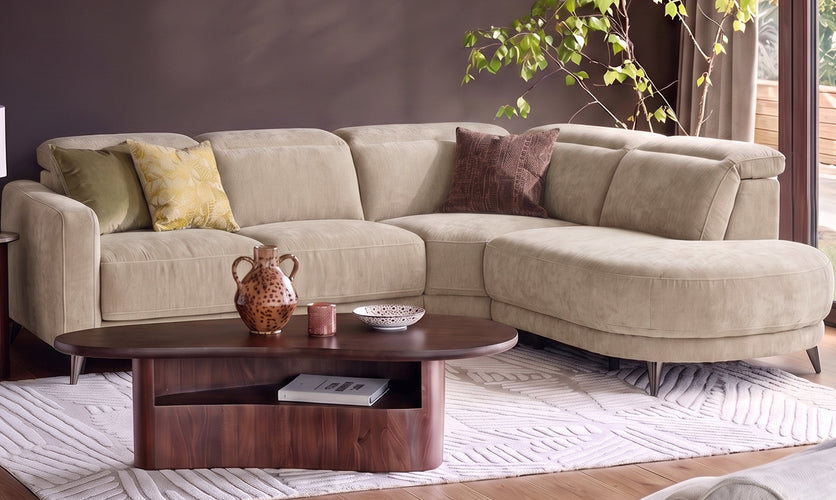
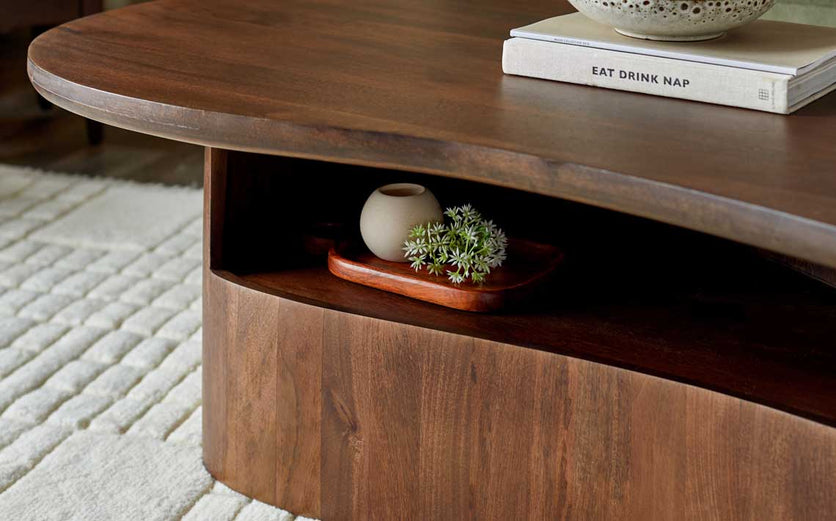
We call this repetition, instead of just matching. If your coffee table has a ceramic marble top, you don’t need a marble floor, marble tray, or marble frame. One or two subtle similarities are all you need to express the same design idea in different places.
Mixed material furniture is one of the most effective ways to bring depth and cohesion to any room. Always let the piece do the talking, by understanding its composition and then echoing it outward. Once you've found the perfect piece, trust in its design – and your own styling ability – to help the rest of the room start to fall into place.
Discover our Mixed Material Furniture Collections, including dining chairs, bar stools, and ottoman storage beds.