Skip to content


A dining bench has a quiet way of changing how a space feels. It softens the layout, brings people closer, and makes every day dining feel a little more relaxed.
Whether it’s a kitchen diner bench tucked neatly under the table or a longer bench set up for hosting, the right piece doesn’t just fit your space - it works with how you actually live.
In this guide, we’ll walk through everything you need to know, from bench length and dining bench dimensions to choosing a style that feels considered, comfortable, and practical for everyday use.
What This Guide Covers
· Why choose a dining bench instead of chairs
· How long a dining bench should be
· Dining bench width and depth explained
· How much space to leave around a bench
· Choosing the right dining bench style
· How many people can sit on a dining bench
· Common dining bench mistakes to avoid
· Styling ideas for kitchen diner benches and dining spaces
Why Choose a Dining Bench?
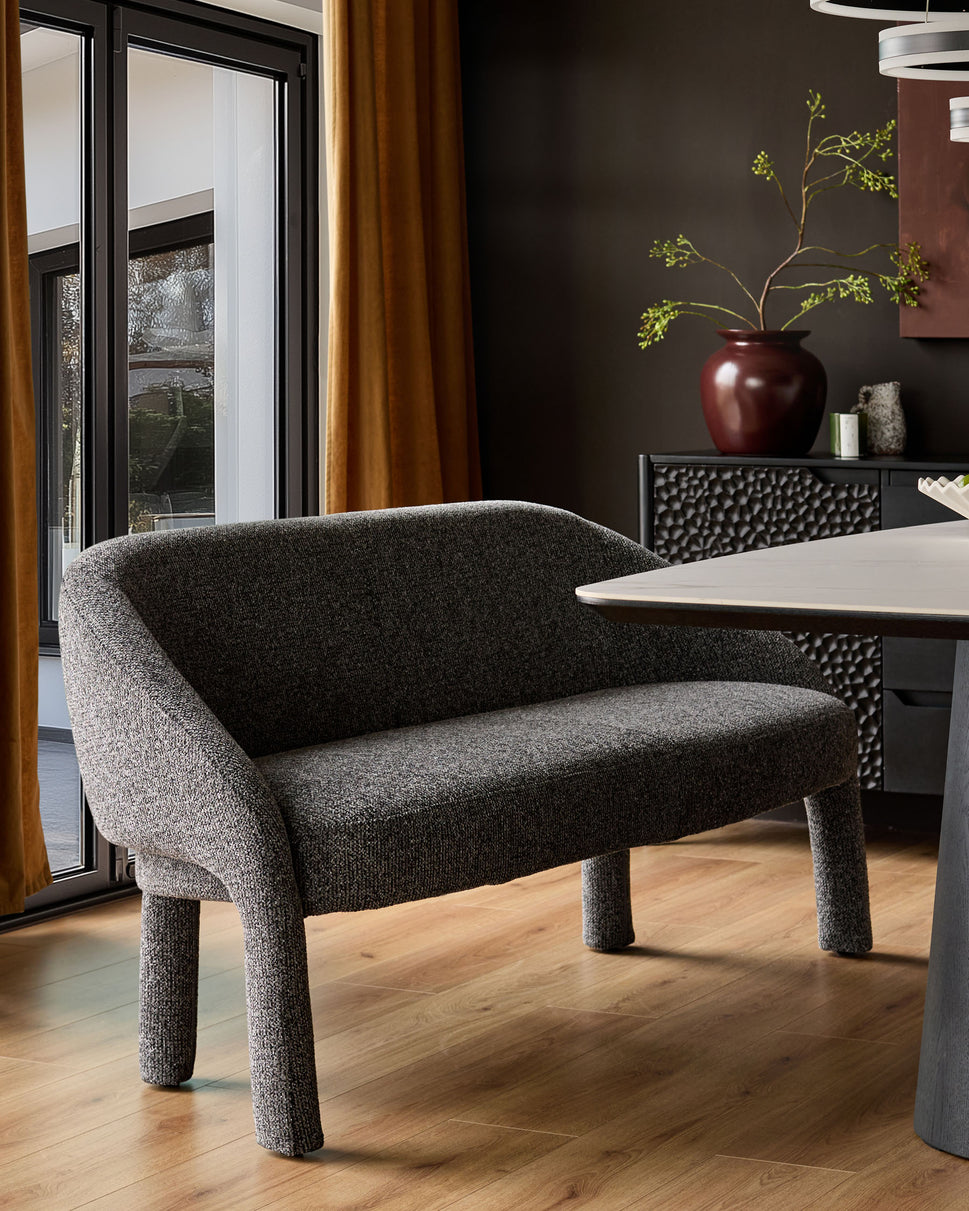
Dining benches aren’t simply an alternative to dining chairs - they change the rhythm of a room.
They make a space feel more open, more flexible, and more connected. The kind of setup where conversations stretch a little longer and there’s always room for one more around the table.
A kitchen dining table bench works particularly well when:
· You want a more relaxed, sociable layout
· You’re working with a smaller or open-plan space
· You need seating that can adapt to everyday life
· You regularly host family or friends
And when designed well, it’s not just practical - it becomes part of the room’s visual balance too.
Dining Bench vs Dining Chairs: Which Is Better?
There’s no single right answer - it depends entirely on how you use your space.
Dining chairs offer structure and individual seating, while a dining bench creates something slightly softer and more informal. Benches naturally encourage flexibility, making it easier to accommodate extra guests or create a more relaxed atmosphere around the table.
They also work particularly well in compact dining rooms or open-plan kitchen diners, where keeping the layout visually lighter can make the whole room feel more spacious.
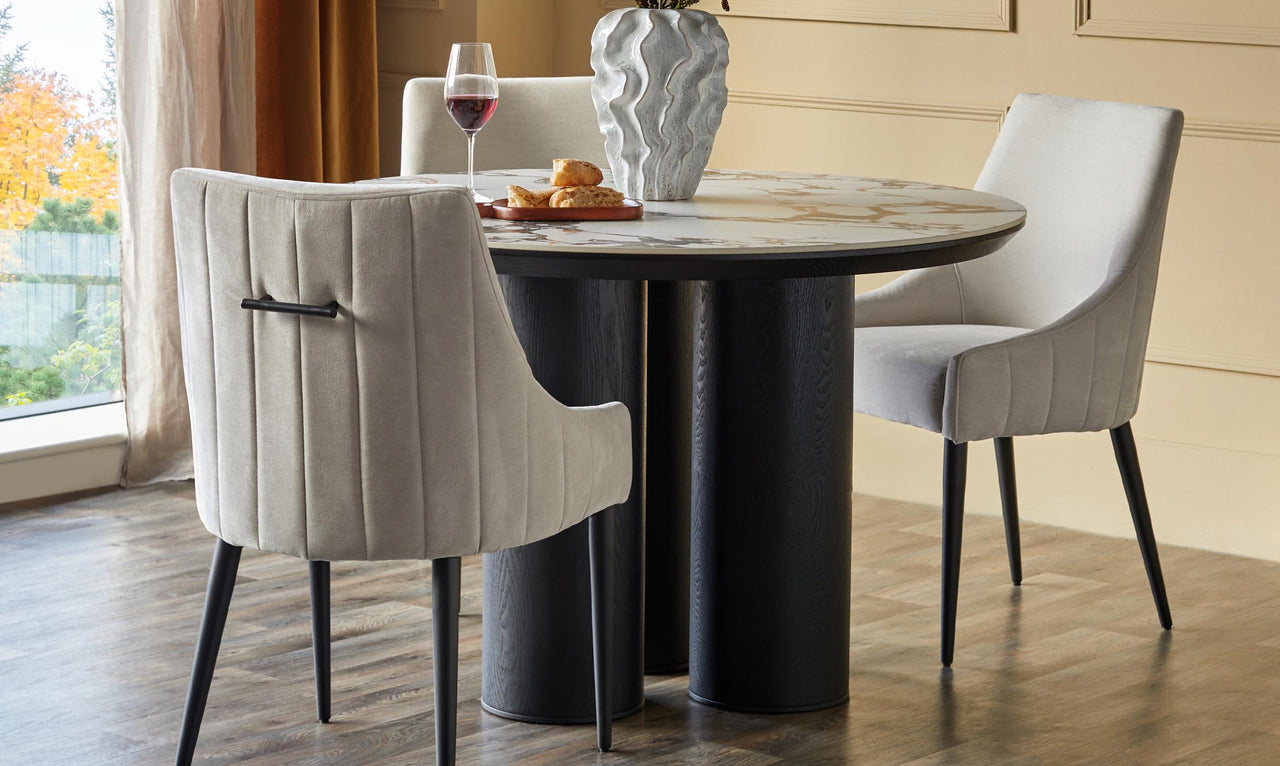
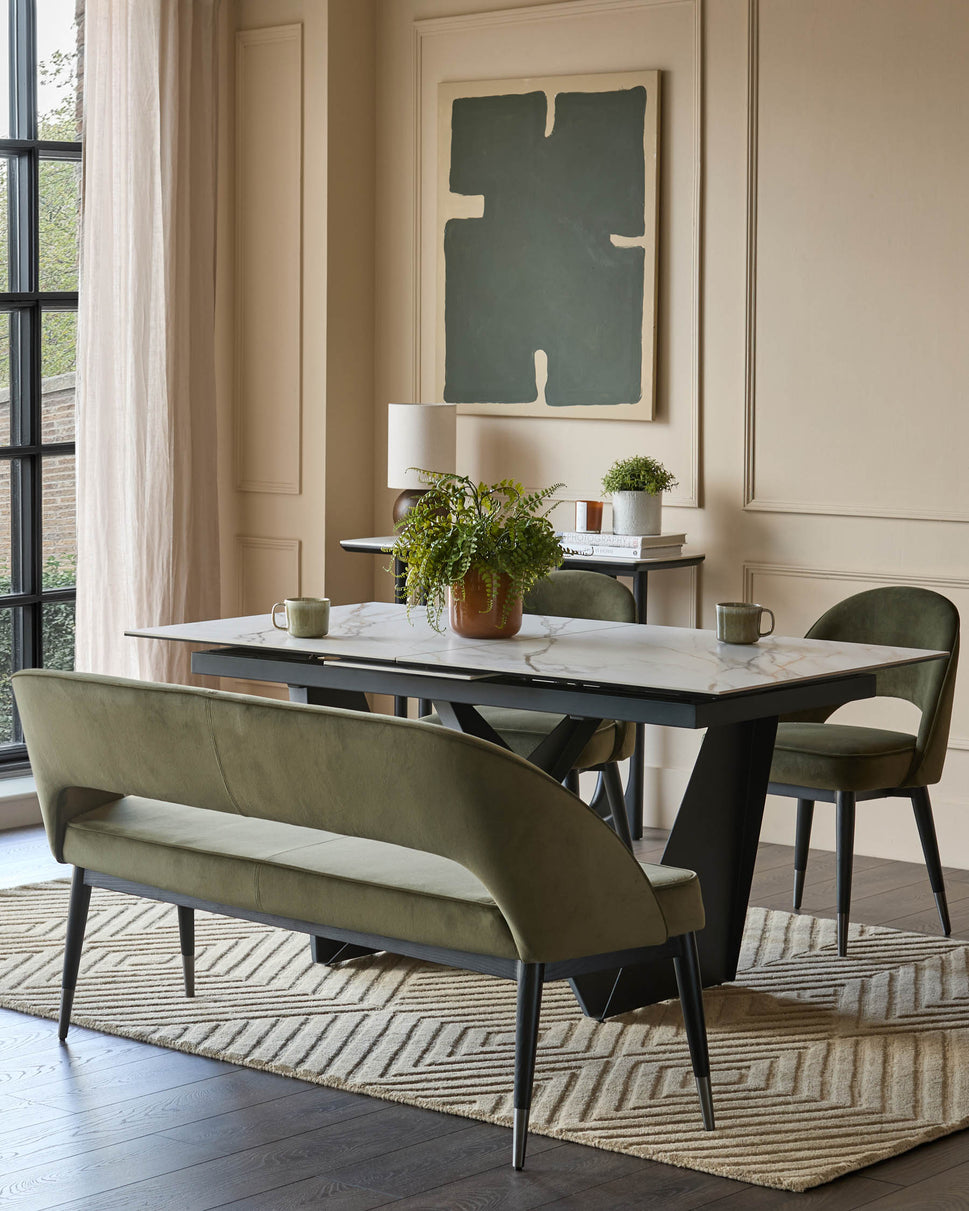
For many homes, the best solution is a combination of both. Pairing dining chairs on one side with an under table bench on the other creates balance while adding texture and variety to the space.
Dining Bench Size Guide: Getting the Proportions Right
The difference between a bench that works and one that doesn’t often comes down to proportion.
Getting your dining bench size right ensures the space feels effortless - not cramped, not oversized, just considered.
How Long Should a Dining Bench Be?
One of the most common questions is: how long should a dining bench be?
As a general rule:
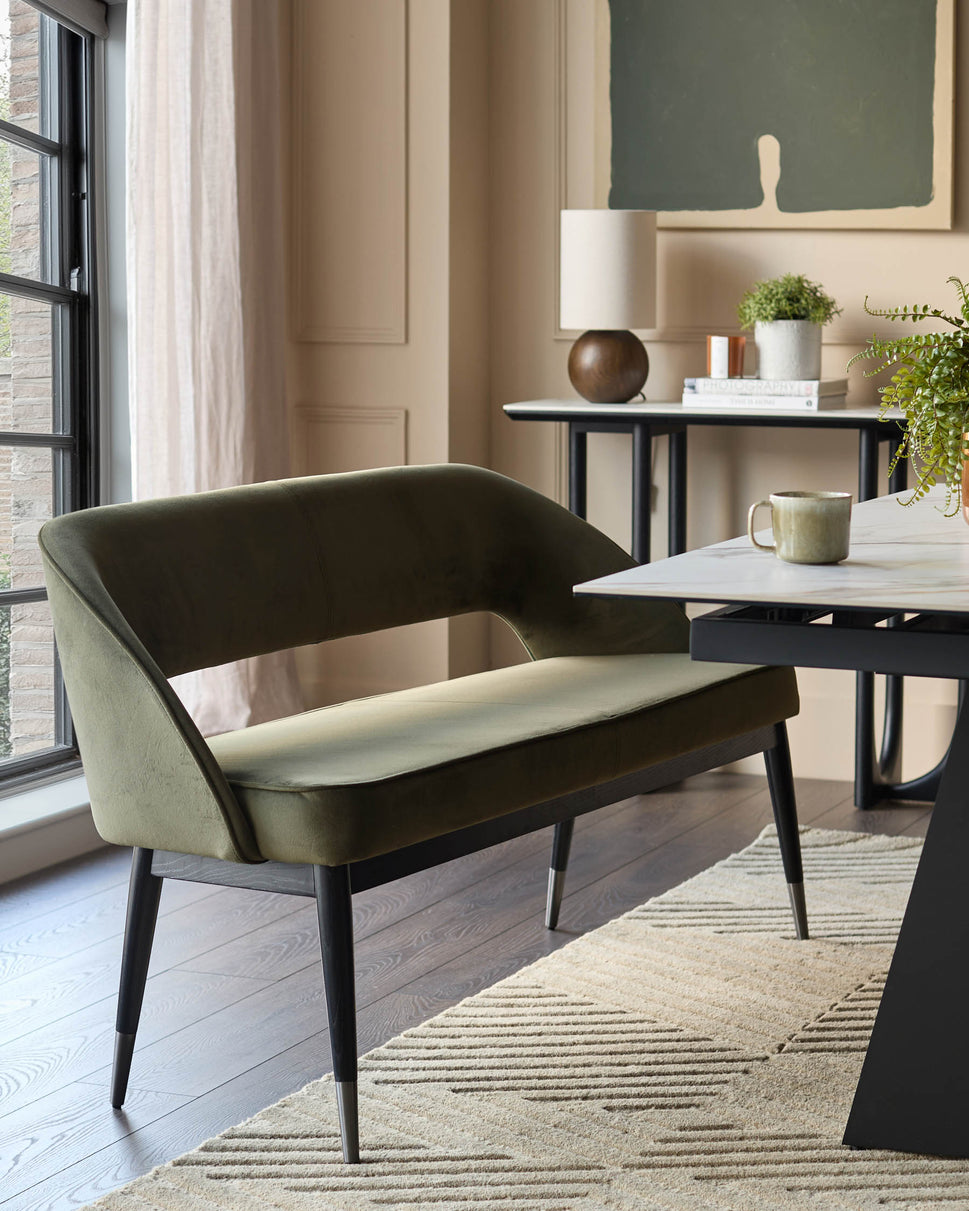
· Your bench length should sit slightly within your table
· Aim for around 5–10cm shorter than the distance between table legs
· This allows the bench to tuck in neatly when not in use
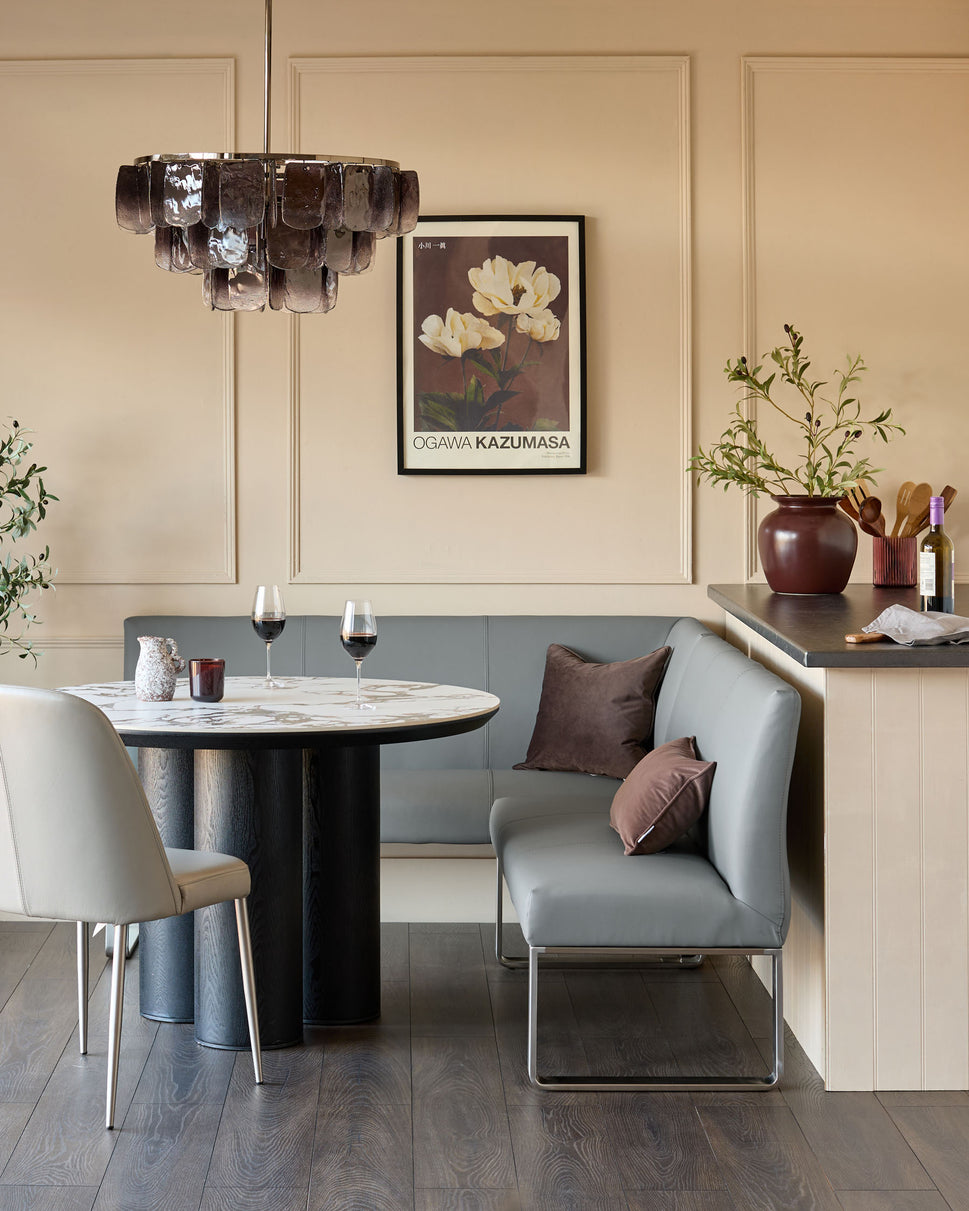
For longer dining tables, you can choose a bench that runs closer to the full table length - particularly with pedestal tables, where there are no legs to work around.
It’s a subtle detail, but it’s what makes the difference between a bench that feels intentional, and one that feels like it’s simply been added in afterwards.
Dining Bench Width and Depth Explained
Comfort is just as important as fit.
When considering dining bench width and depth, think about how the bench will actually be used - quick weekday meals, slower weekend breakfasts, or longer evenings spent entertaining.
As a guide:
· The dining bench depth is the shorter part of the bench which runs parallel to the dining table legs. Typical dining bench depth: 35-45cm
· The dining bench width is the longer part of the bench which increases with the amount of people it can seat. Typical dining bench width per person: allow 45-60cm
A deeper bench naturally feels more generous - it gives you room to settle in, whether it’s a longer dinner or a slower start to the morning. It adds a sense of comfort that invites people to stay a little longer.
A slimmer profile, on the other hand, keeps things lighter. It works particularly well in tighter spaces or kitchen diners where flow matters, helping the room feel open, considered, and easy to move through without sacrificing functionality.
How Much Space Do You Need Around a Dining Bench?
It’s not just about the bench itself - it’s about how the entire dining area works together.
Allow enough space for movement so the layout feels natural and easy to live with. A well-planned dining area shouldn’t feel restrictive - it should give people the freedom to sit, move, and gather comfortably.
As a guide, allow:
· Around 60-80cm behind the bench for comfortable access
· Additional clearance if the bench has a backrest
· Extra consideration if placing the bench against a wall or beneath a window
This becomes especially important in kitchen diner layouts, where every centimetre often needs to work a little harder.
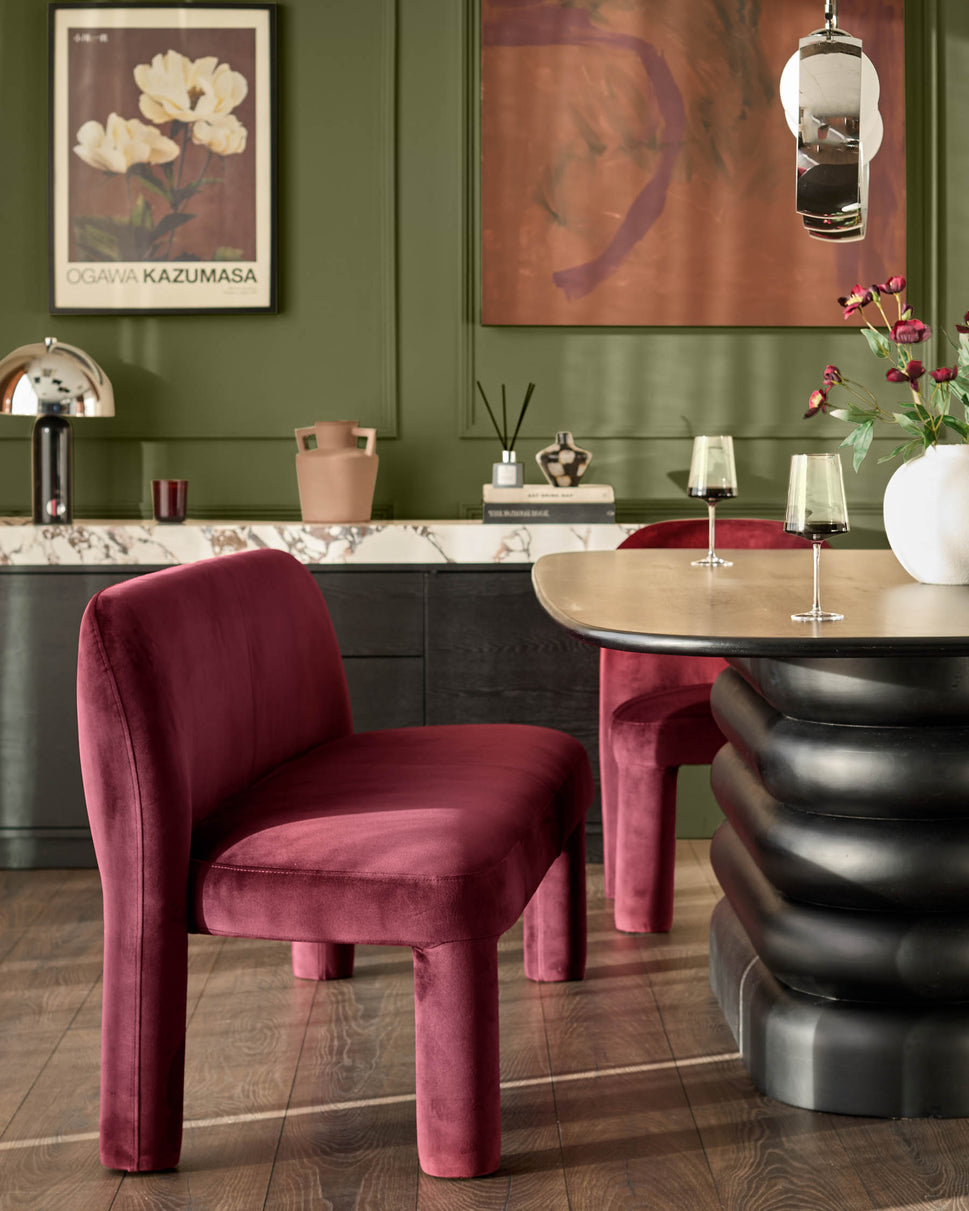
How Many People Can Sit on a Dining Bench?
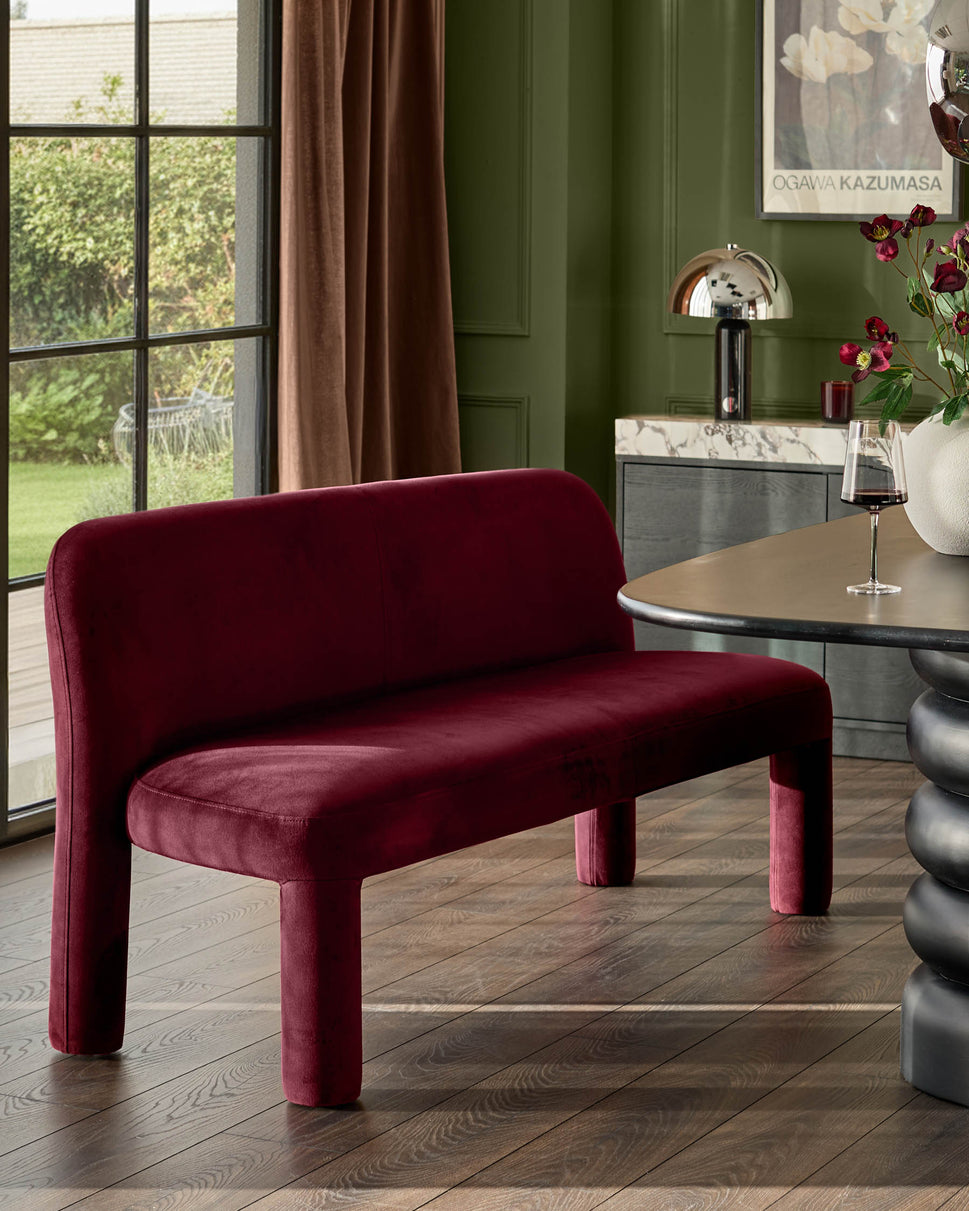
One of the advantages of a dining bench is its flexibility. Unlike individual dining chairs, benches allow you to seat people more fluidly when needed.
As a general guide:
Table Size | Recommended Bench Length | Seats |
140cm Table | 120–130cm Bench | 2–3 People |
160cm Table | 140–150cm Bench | 3 People |
180cm Table | 160–170cm Bench | 3–4 People |
200cm+ Table | 180cm+ Bench | 4 People |
Of course, comfort matters just as much as capacity. While it’s useful to know you can occasionally squeeze in an extra guest, everyday seating should still feel spacious and relaxed.
How to Choose the Right Dining Bench Style
Every dining bench brings a different feel to a space. Some create a more relaxed, informal setting where people can gather with ease, while others add structure and presence, shaping the room in a more defined way.
The right choice comes down to how you want the space to work day-to-day - whether that’s flexible seating for busy family life or something more anchored for hosting and longer meals. Just as importantly, it’s about how you want the room to feel. Open and light, or grounded and cosy. Understated or more of a focal point.
When those two things align - function and feeling - the bench doesn’t just fit the space, it becomes part of how you use it.
Corner Benches for Kitchen Diners
Works best for: creating defined, social spaces
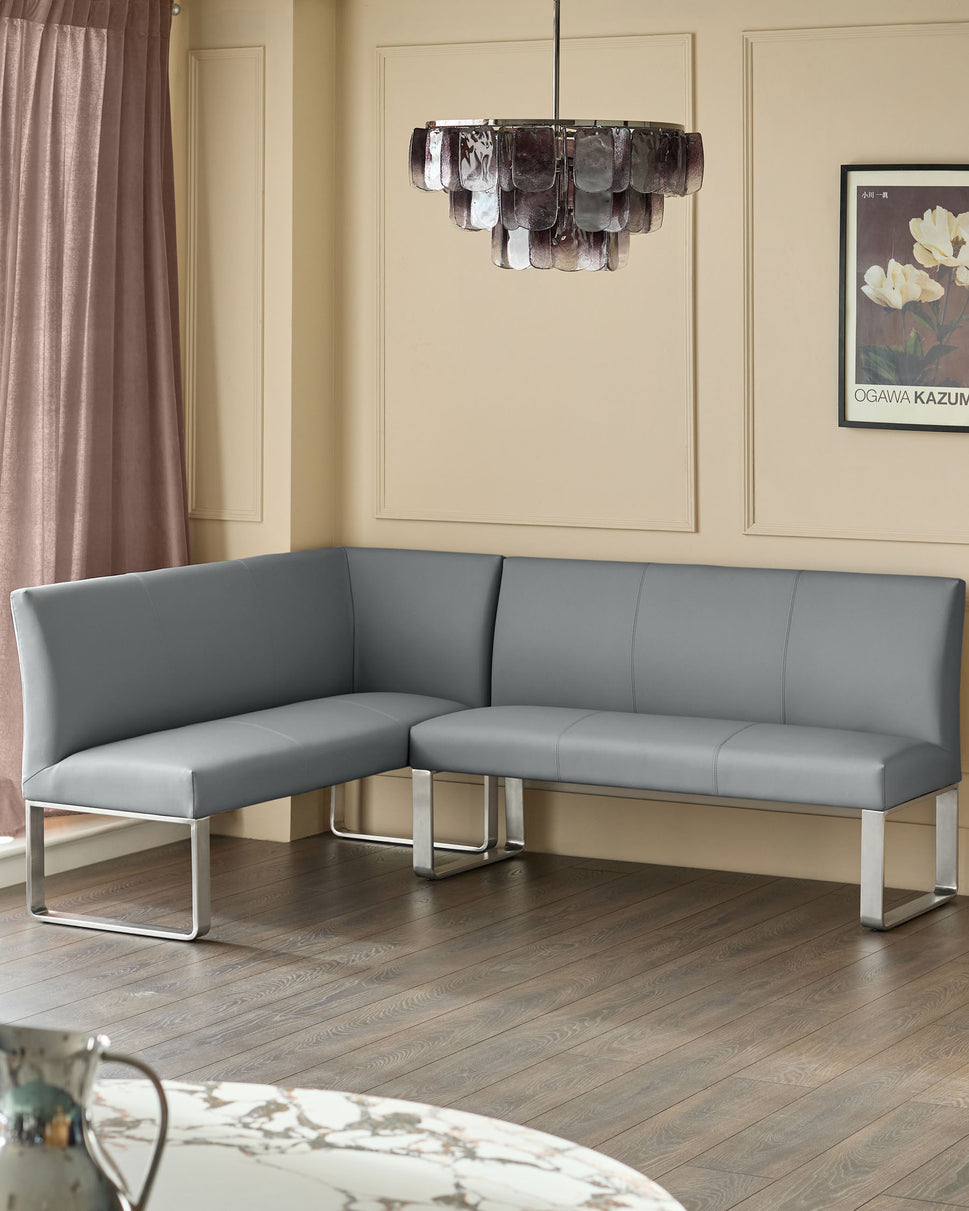
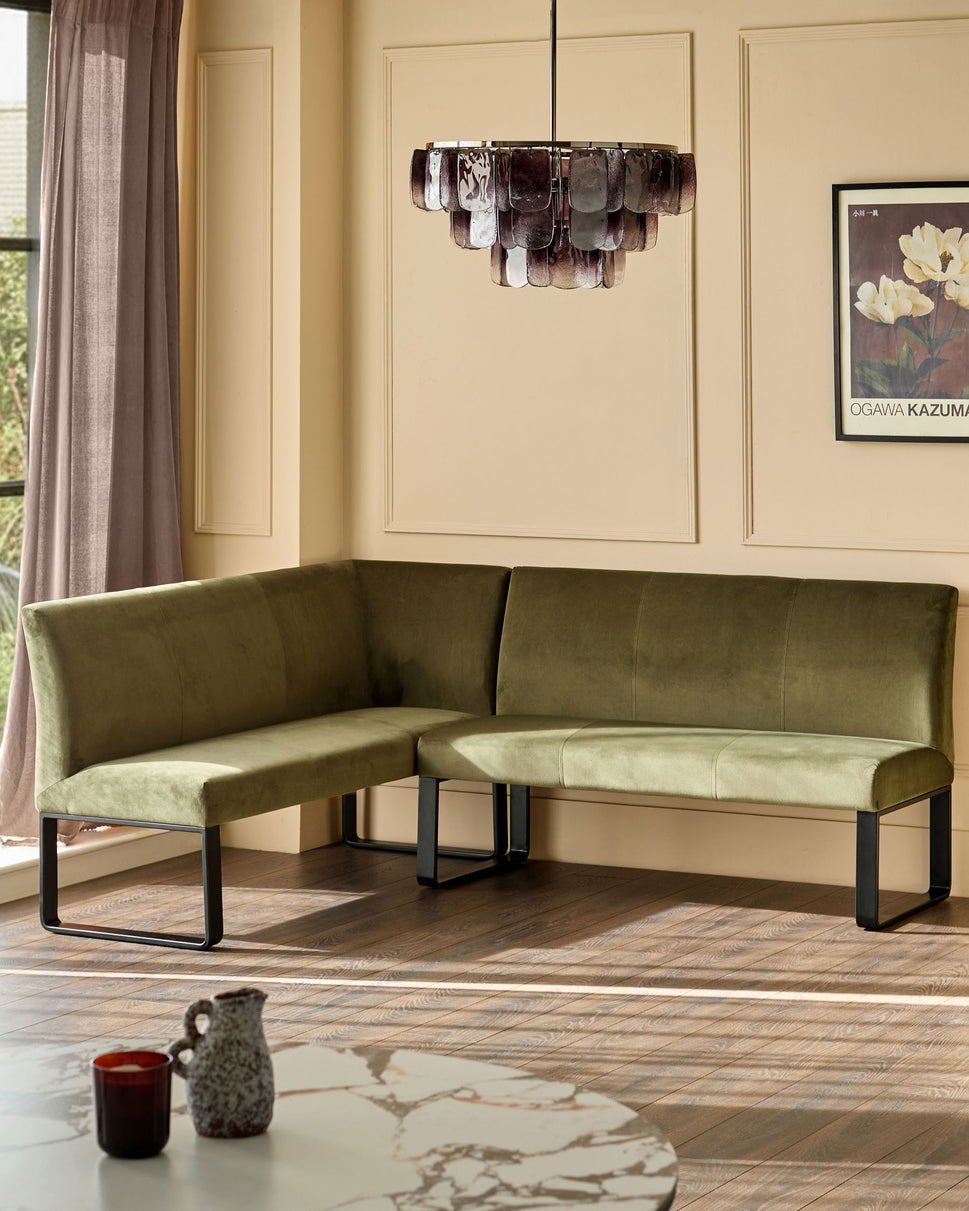
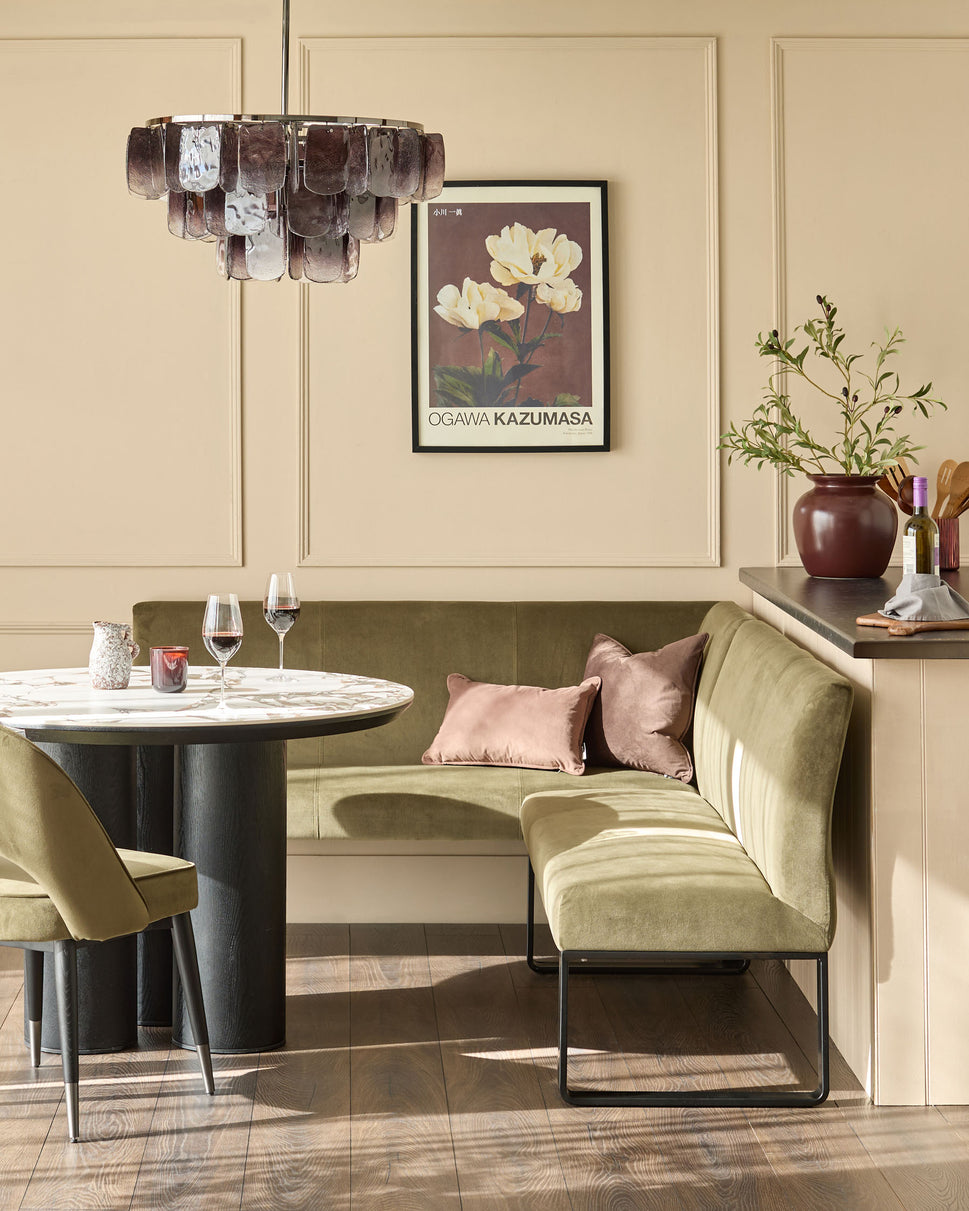
A kitchen diner bench in a corner layout turns unused space into somewhere people naturally gather.
It softens the edges of a room and creates a more intimate setting - especially in open-plan homes where zoning matters.
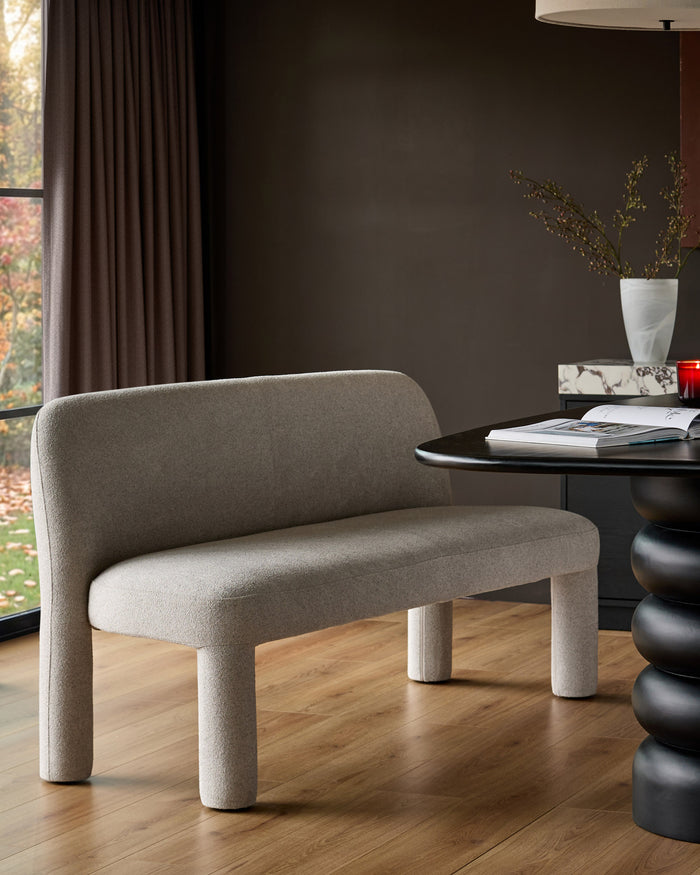
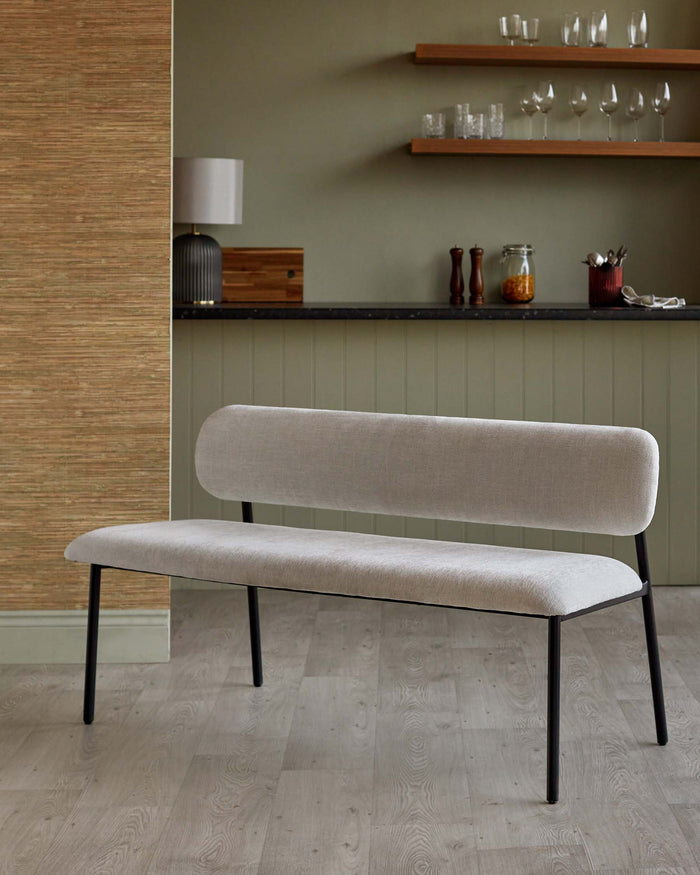
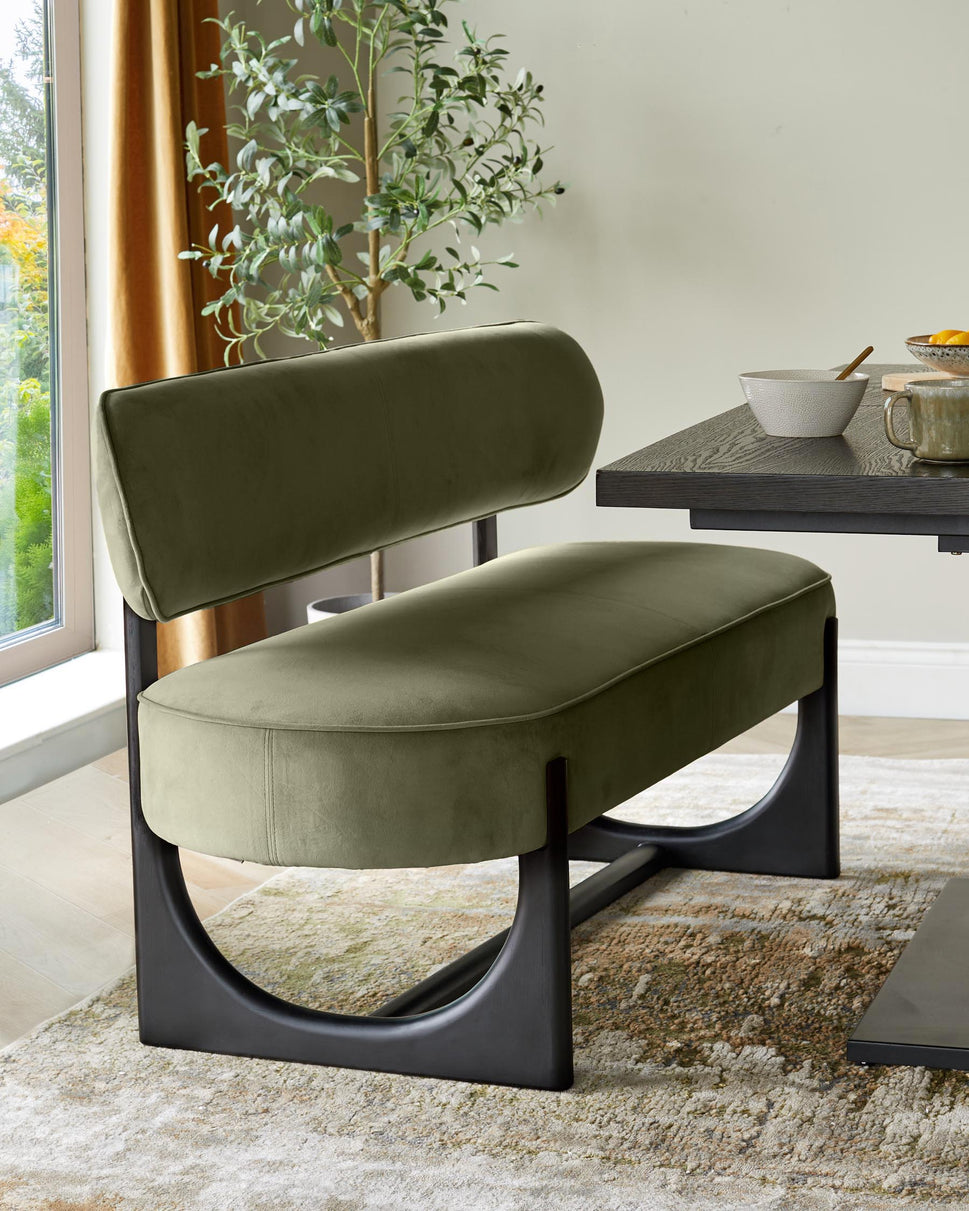
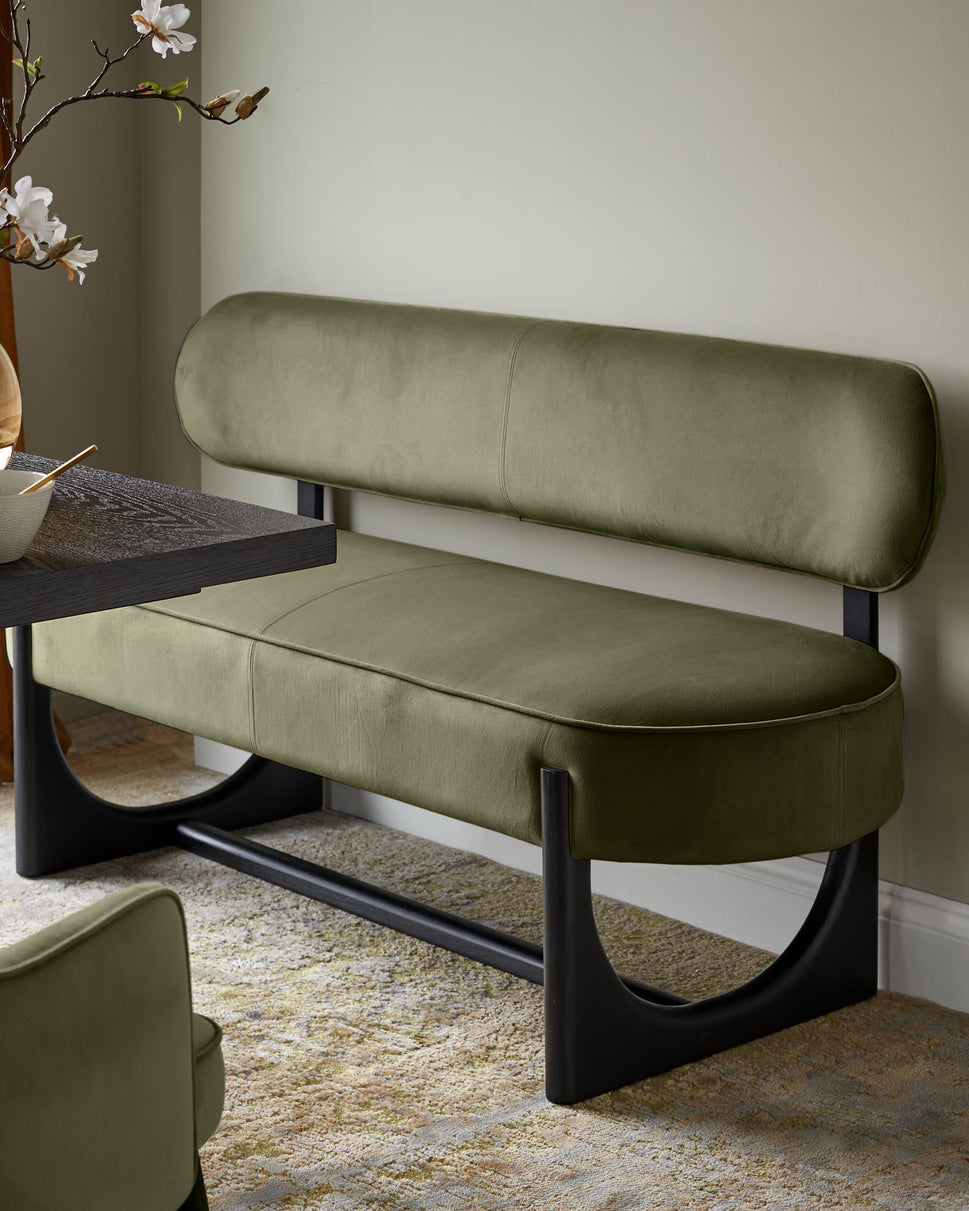
Dining Benches with Back
Works best for: comfort and presence
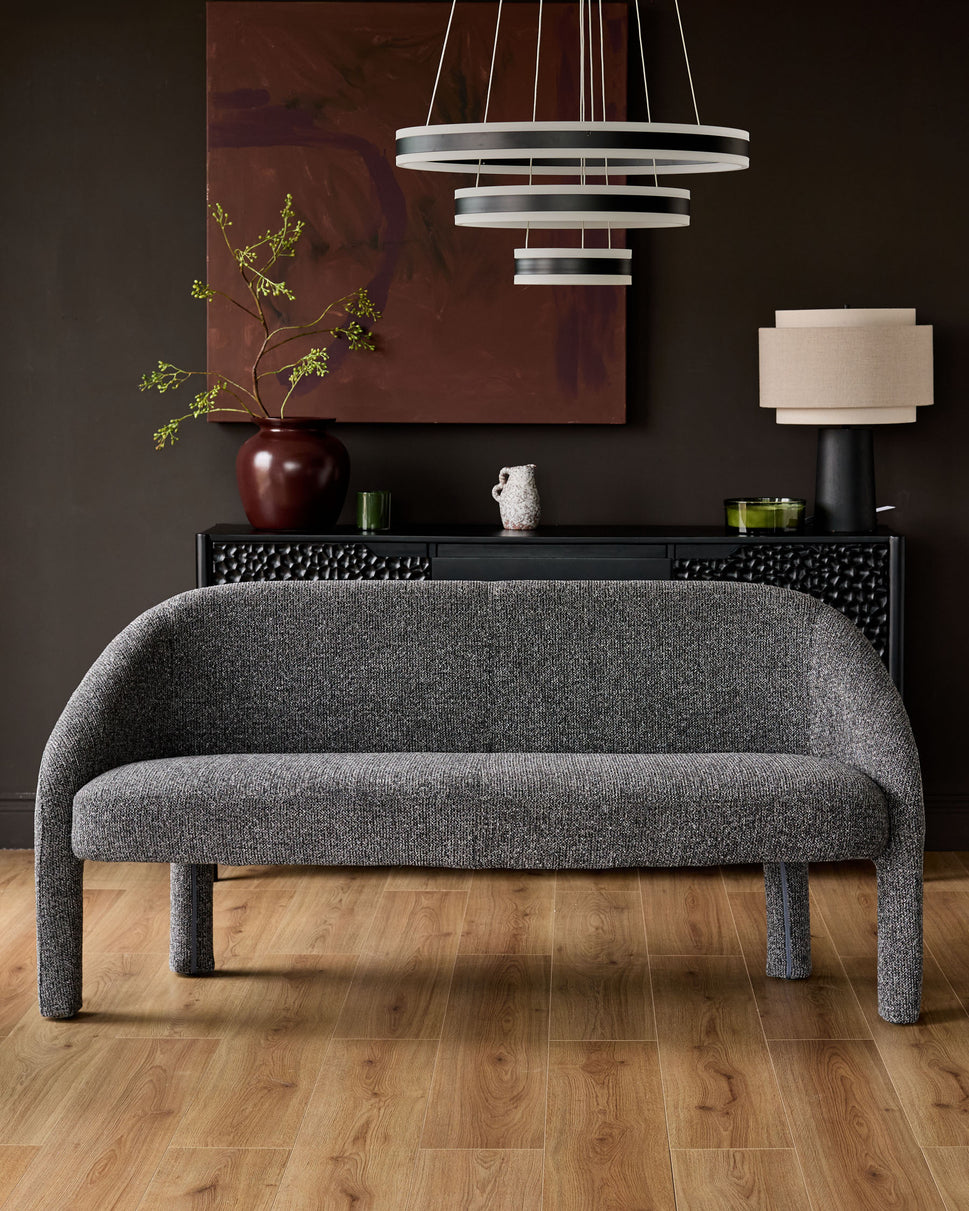
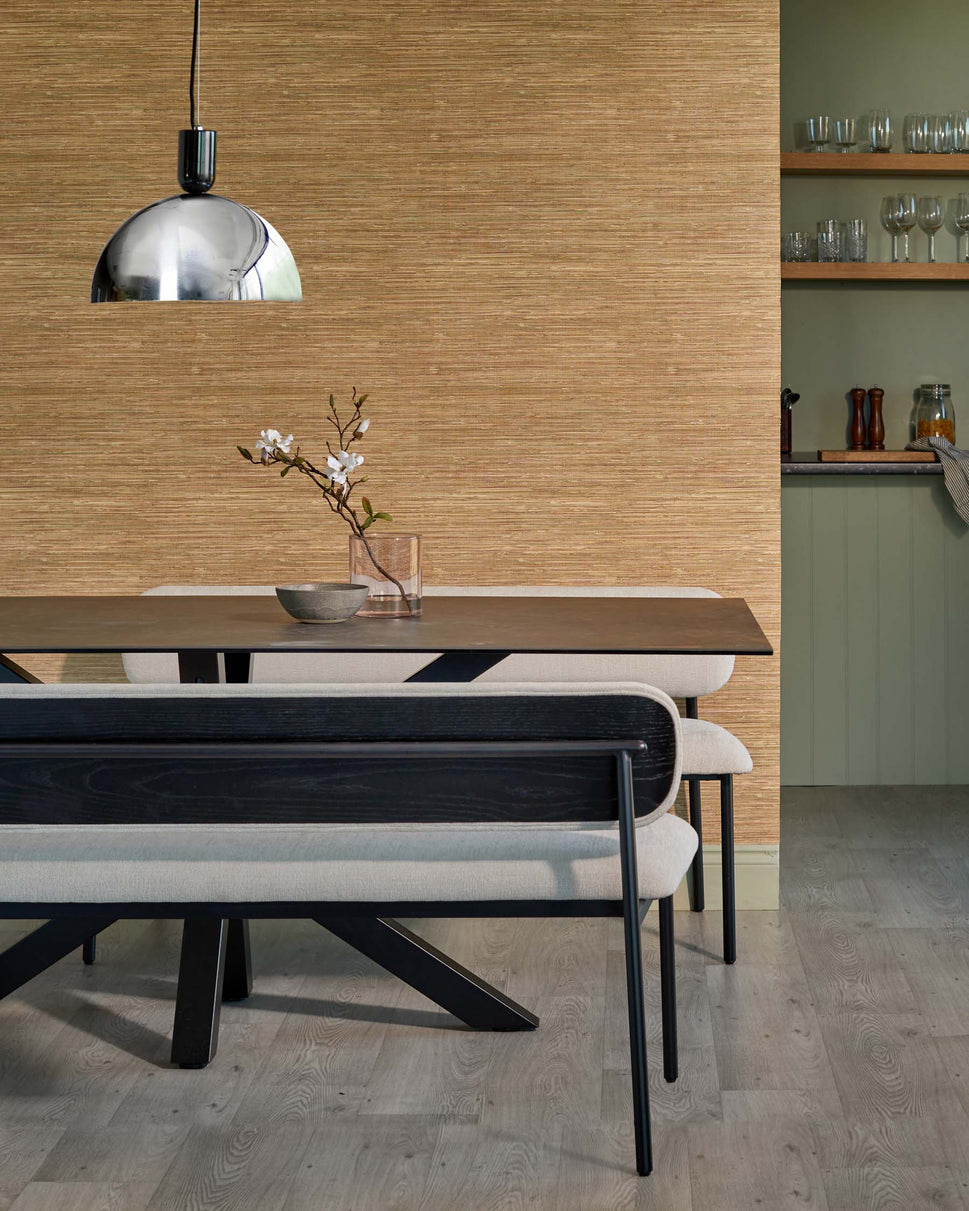
A modern dining bench with a back adds support and gives the piece more visual weight in the room.
It’s a good choice if your dining space is used for more than just meals - working, hosting, or longer periods of sitting.
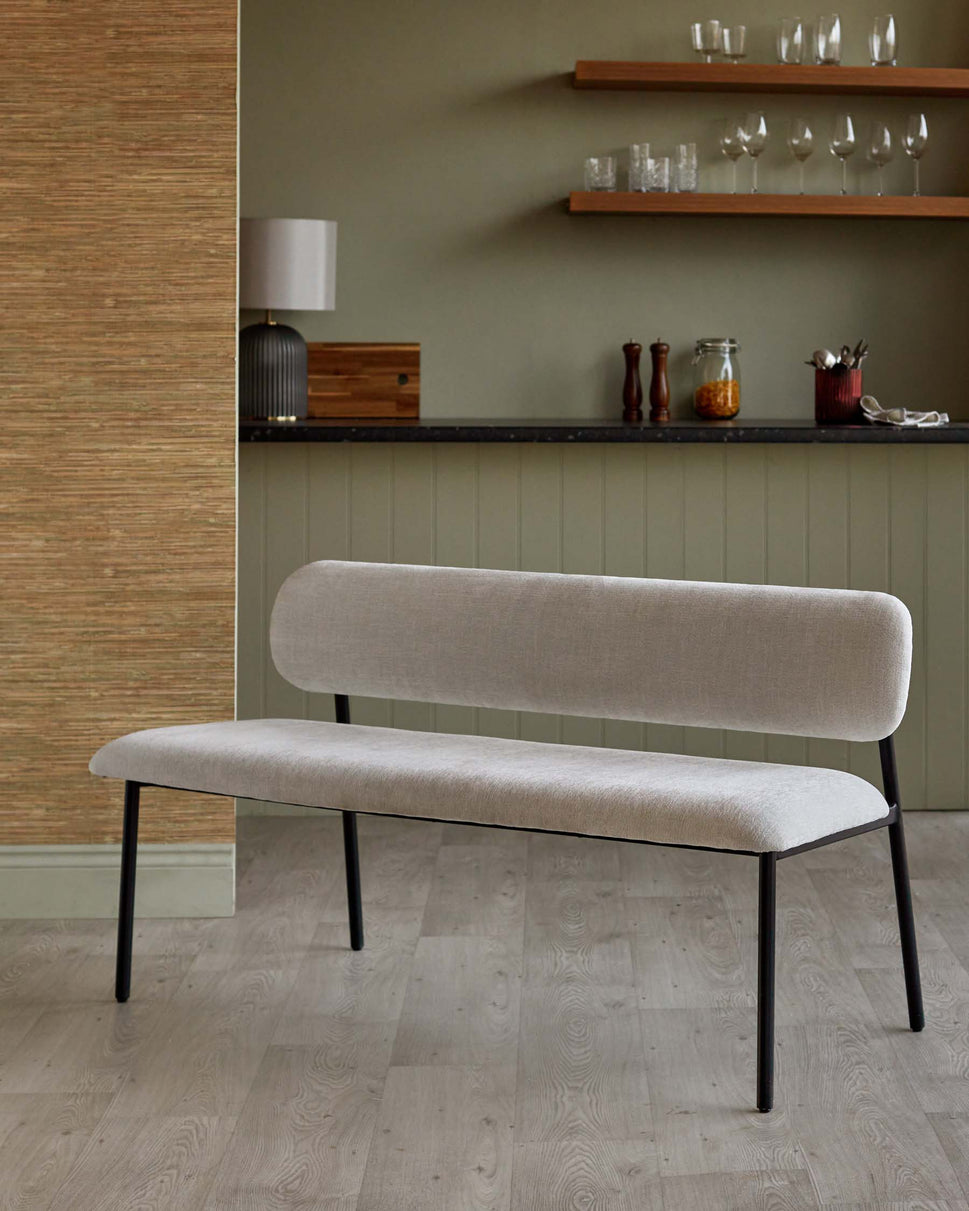
Backless Dining Benches
Works best for: keeping things light
Backless benches feel more open and flexible. They’re easier to move, easier to tuck away, and visually quieter in the room.
They’re often the right choice when you want the table - or the space itself - to take the lead.
Common Dining Bench Mistakes to Avoid
A dining bench can completely transform a space - but only when it’s proportioned and positioned correctly.
Some of the most common mistakes include:
· Choosing a bench that’s too long for the table
· Forgetting to allow enough clearance behind the seating
· Ignoring table leg positioning
· Overcrowding a smaller dining space
· Prioritising appearance over comfort
The most successful dining spaces balance practicality with proportion. When a bench fits naturally within the room, the whole layout feels easier and more considered.
How to Style a Dining Bench
One of the reasons dining benches work so well is their versatility.
They can soften more structured dining areas, bring warmth into open-plan spaces, and help larger tables feel more inviting and relaxed.
For a more balanced look:
· Pair a dining bench with dining chairs to create contrast
· Introduce upholstered finishes for softness and texture
· Coordinate materials with your dining table for cohesion
· Use cushions or layered textiles to make the seating feel more relaxed
The goal isn’t to match everything perfectly - it’s to create a space where each piece feels connected to the next.
Pairing Your Dining Bench with the Right Table
A dining bench doesn’t sit in isolation - it works as part of a wider composition.
The most successful setups feel balanced, where the bench length, table shape, and materials all speak the same design language.
· Pedestal tables offer more flexibility for seating
· Tables with legs require a little more planning around spacing
· Matching materials create cohesion, while contrast adds interest
It’s not about matching everything exactly - it’s about making sure each piece earns its place.
Dining Bench FAQs
Are dining benches good for small spaces?
Yes. Dining benches can help smaller dining rooms or kitchen diners feel more open because they reduce visual clutter and can often tuck neatly beneath the table when not in use.
Can a dining bench fit under a table?
Yes - an under-table bench is specifically designed to slide beneath the table. To achieve this comfortably, the bench should be slightly shorter than the internal width between the table legs.
Are dining benches comfortable?
A well-designed dining bench can be just as comfortable as dining chairs, particularly when the depth and proportions are right. Upholstered benches or dining benches with backs offer additional support for longer seating.
Should a dining bench match the dining table?
Not necessarily. Matching finishes can create a more cohesive look, but contrast can add warmth and interest. The key is ensuring the pieces feel balanced together in scale, material, and tone.
Final Thoughts
A dining bench is one of those pieces that works harder than it looks. It saves space, adds flexibility, and changes how people gather - often without you realising it.
By understanding the right bench length, choosing the correct dining bench width and depth, and selecting a style that suits how you live, you create something that feels effortless.
And when it’s right, it doesn’t just fit the room - it becomes part of how y