Skip to content


Glass furniture has a unique ability to transform a space. Whether it's a dining table, coffee table, console table, desk, or display cabinet, glass reflects light beautifully, creates a sense of openness, and adds a clean contemporary finish to your home.
The good news is that glass furniture is surprisingly easy to maintain. With the right cleaning routine and a few simple habits, you can keep glass surfaces looking clear, polished, and free from streaks for years to come.
In this guide, we'll explain how to clean glass furniture properly, how to prevent scratches, and the best ways to care for glass surfaces in everyday life.
What This Guide Covers
How to clean glass furniture
The best products for cleaning glass
How to remove streaks and fingerprints
How to protect glass furniture from scratches
Can glass furniture handle heat?
Caring for different types of glass furniture
Common glass furniture cleaning mistakes
FAQs
Why Glass Furniture Needs Special Care
One of the reasons glass furniture remains so popular is its versatility. Glass helps smaller spaces feel larger, reflects natural light, and works beautifully alongside materials such as ceramic, marble, metal, wood, and high gloss finishes.
Because glass is highly reflective, however, marks can be more visible than they are on other materials. Fingerprints, dust, watermarks, and smudges can quickly become noticeable, particularly on furniture that's used every day.
The good news is that maintaining glass furniture doesn't require specialist equipment or complicated routines. Consistency is far more important than intensive cleaning.
How to Clean Glass Furniture
For routine cleaning, begin by removing loose dust or debris with a soft microfibre cloth.
Once the surface is dust-free:
- Lightly dampen a clean microfibre cloth with water or a glass-safe cleaner.
- Wipe the surface using smooth, even motions.
- Dry immediately using a second clean cloth.
- Buff gently to achieve a streak-free finish.
Cleaning little and often is usually more effective than allowing dirt and fingerprints to build up over time.
What Should You Use to Clean Glass Furniture?
The best glass furniture care routine is often the simplest.
We recommend keeping the following to hand:
- A soft microfibre cloth
- Warm water
- A glass-safe cleaning spray for stubborn marks
- A second dry cloth for buffing
Microfibre cloths are particularly effective because they lift dirt and oils without leaving lint behind. They also help achieve a clearer finish than paper towels or rougher cleaning cloths.
Avoid abrasive cleaning pads, scouring sponges, or harsh chemical products. While glass is durable, aggressive cleaning tools can leave fine surface marks and may damage surrounding materials such as metal, wood, ceramic, or gloss finishes.
How to Remove Fingerprints, Smudges and Streaks
Fingerprints are one of the most common issues with glass furniture, particularly on dining tables, coffee tables, side tables, and consoles.
For everyday marks:
- Wipe with a clean microfibre cloth
- Use a small amount of glass cleaner if needed
- Buff dry immediately afterwards
If streaks appear after cleaning, it's usually because too much product has been used. A clean, dry cloth is often all that's needed to restore a polished finish.
For the best results, avoid cleaning glass in direct sunlight, as cleaning products can dry too quickly and leave visible streaks behind.
How to Protect Glass Furniture from Scratches
Glass is a durable material, but like any surface, it benefits from a little protection.
To help prevent scratches:
- Use coasters beneath drinks
- Place placemats beneath plates and serving dishes
- Add felt pads beneath decorative accessories
- Lift objects rather than dragging them across the surface
These small habits can make a significant difference over time, particularly on furniture that sees regular daily use.
Can Glass Furniture Handle Heat?
Glass is naturally heat resistant, making it well suited to everyday dining and living spaces.
However, it's still sensible to protect glass surfaces from direct contact with very hot cookware, serving dishes, or heated appliances.
Using heat-resistant mats or trivets beneath hot items helps prevent unnecessary stress on the surface and reduces the risk of thermal shock caused by sudden temperature changes.
This is particularly important on glass dining tables, where hot serving dishes are more likely to be placed directly onto the surface.
Caring for Different Types of Glass Furniture
Different furniture pieces experience different types of wear. Understanding how each item is used can help you care for it more effectively.
Glass Dining Tables
Dining tables are often the hardest-working glass furniture pieces in the home.
From family meals and entertaining to working from home and everyday use, they experience regular contact with plates, drinks, serving dishes, and decorative centrepieces.
Use placemats and coasters during daily use, wipe up spills promptly, and buff the surface regularly to maintain clarity and shine.
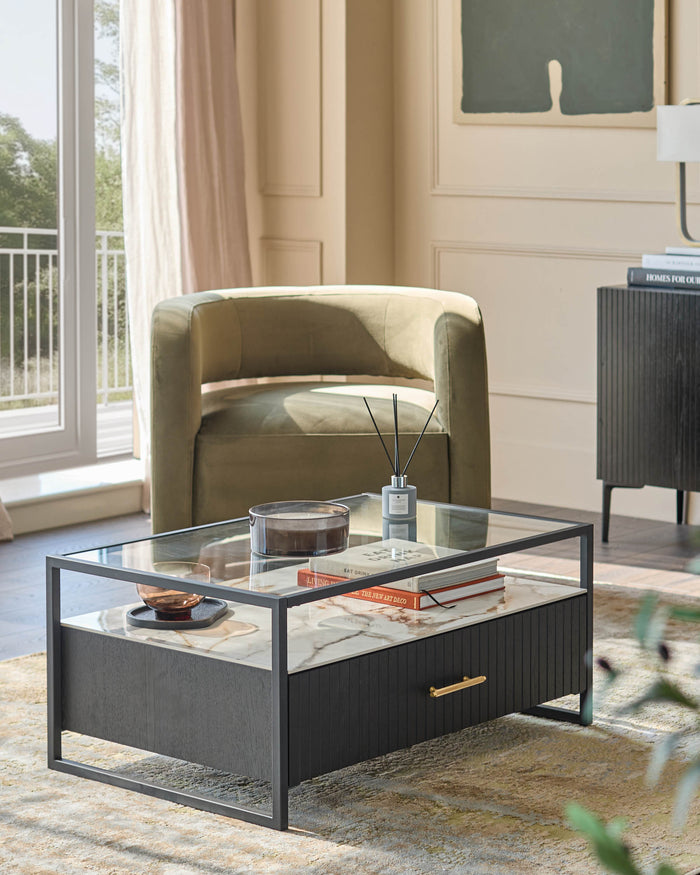
Glass Coffee Tables
Coffee tables tend to collect drink glasses, books, trays, candles, and decorative accessories.
A quick weekly clean is usually enough to keep them looking their best. Using felt pads beneath heavier decorative objects can also help minimise fine surface scratches over time.
Glass Console Tables and Side Tables
Console and side tables are often used more for styling than dining, which means dust is usually the biggest challenge.
Regular dusting helps maintain their reflective finish, while occasional cleaning removes fingerprints and marks from decorative accessories being moved around.
Glass Cabinets and Display Furniture
Glass-fronted cabinets and display furniture benefit from both interior and exterior cleaning.
Keeping shelves dust-free and glass panels clear ensures your displayed items remain visible while maintaining the light, open feel that glass furniture brings to a space.
Caring for Mixed Material Glass Furniture
Many contemporary furniture pieces combine glass with other materials such as:
- Ceramic
- Marble
- Metal
- Wood
- High gloss finishes
When cleaning these designs, avoid allowing excess moisture to collect where materials meet.
Always dry joins and edges thoroughly after cleaning, and use the appropriate care method for each individual material. Looking after the whole piece, rather than just the glass, will help maintain its appearance for longer.
Common Glass Furniture Cleaning Mistakes to Avoid
Glass furniture is relatively low maintenance, but a few common mistakes can affect its appearance over time.
Avoid:
- Cleaning in direct sunlight
- Using abrasive cloths or scourers
- Applying excessive amounts of cleaning product
- Allowing moisture to sit around joins or fittings
- Using harsh chemicals on mixed-material furniture
- Forgetting to use protective pads beneath decorative accessories
A gentle cleaning routine will always deliver better results than aggressive scrubbing or excessive product use.
Glass Furniture Maintenance Routine
Keeping glass furniture looking polished doesn't need to be time-consuming.
Weekly
- Dust surfaces with a microfibre cloth
- Remove fingerprints and everyday marks
As Needed
- Clean spills immediately
- Remove watermarks and smudges
- Buff away streaks after cleaning
Ongoing
- Use coasters, placemats, and felt pads
- Lift objects rather than dragging them
- Check mixed-material joins remain dry
A simple routine helps keep glass furniture looking clear and polished without requiring intensive maintenance.
FAQs
What is the best way to clean glass furniture?
A soft microfibre cloth, warm water, and a glass-safe cleaner are usually all that's needed. Always finish by buffing the surface dry.
How do you clean glass furniture without streaks?
Use minimal cleaning product, avoid direct sunlight, and buff thoroughly with a clean microfibre cloth.
Can glass furniture scratch?
Yes. Glass is durable but not completely scratch-proof. Fine scratches can occur if abrasive materials are used or objects are repeatedly dragged across the surface. Coasters, placemats, and felt pads help minimise wear.
Can you use household glass cleaner on furniture?
Most glass-safe cleaners are suitable, but always avoid overspray on surrounding materials such as wood, metal, ceramic, or high gloss finishes.
Can you put hot plates on glass furniture?
We recommend using a heat-resistant mat or trivet beneath hot dishes and cookware. While glass is heat resistant, protecting the surface helps preserve its appearance over time.
How often should glass furniture be cleaned?
A quick weekly clean is usually sufficient, with additional spot cleaning as required.
Final Thoughts
One of the reasons glass furniture remains a favourite in contemporary interiors is its ability to make a space feel lighter, brighter, and more open.
Whether it's a dining table, coffee table, console, or display cabinet, glass brings a sense of clarity and refinement that works beautifully alongside modern materials and everyday living.
With a little regular care and a few simple protective habits, your glass furniture will continue to do exactly that for years to come.