Skip to content


Leather is one of those materials that only gets better with time - if it’s looked after properly.
Understanding how to care for leather furniture isn’t complicated, but it does require knowing what type of leather you’re working with. Each finish behaves slightly differently, from soft and natural aniline leather to more durable, everyday-friendly options designed for busy homes.
In this guide, we’ll take you through the essentials of leather care, including how to clean, protect, and maintain different types of leather furniture so it continues to look and feel it's best for years to come.
What This Guide Covers
- Why leather care matters
- How to care for leather furniture properly
- Leather sofa, dining chair and bar stool care
- Common leather care mistakes to avoid
- How often to clean and condition leather furniture
- How leather naturally ages over time
Why Leather Care Matters
Leather is a natural material, which means it responds to its environment. Light, heat, movement, and everyday use all play a part in how it wears over time.
With the right care, leather furniture develops character naturally. The texture softens slightly, the surface becomes richer, and the material settles into the way you use it. Without care, however, leather can dry out, mark more easily, or lose some of its suppleness.
The good news is that effective leather care is less about intensive cleaning and more about consistency. Small habits, done regularly, make the biggest difference.

How to Care for Leather Furniture: The Basics
There are a few universal principles that apply to all leather furniture.
Dust Regularly
Dust and everyday debris can build up across the surface and within seams over time. A soft cloth or vacuum attachment used weekly will help keep the material clean without damaging the finish.
Clean Spills Quickly
Leather is naturally absorbent to varying degrees depending on the finish, so it’s always best to deal with spills as they happen. Gently blot rather than scrub to avoid pushing moisture further into the material.
Avoid Direct Heat and Sunlight
Prolonged exposure to sunlight or radiators can dry leather out over time, causing fading, stiffness, or cracking. Position furniture away from intense heat sources where possible.
Use Leather-Specific Products
Household cleaning sprays, bleach-based products, and abrasive cleaners can damage the finish and strip away natural oils. Always use products specifically designed for leather care.
These simple routines form the foundation of how to care for leather furniture properly and will help preserve both appearance and comfort over time.

How Often Should You Clean Leather Furniture?
One of the most common leather care questions is how often furniture actually needs maintaining.
In most homes, a simple routine is enough:
· Dust weekly with a soft cloth or vacuum attachment
· Wipe away surface marks as they appear
· Deep clean every few months using a leather-safe cleaner
· Apply conditioner every 6–12 months, depending on use and environment
Leather sofas in busy family homes may need slightly more frequent upkeep, while occasional-use furniture may require less.
The goal isn’t perfection - it’s consistency.
How to Care for Leather Sofas, Dining Chairs and Bar Stools
Different leather furniture pieces wear differently over time. A sofa softens through everyday lounging, while dining chairs and bar stools experience more movement, contact, and occasional spills. Understanding how each piece is used helps you care for it in a way that feels effortless and keeps it looking considered for longer.
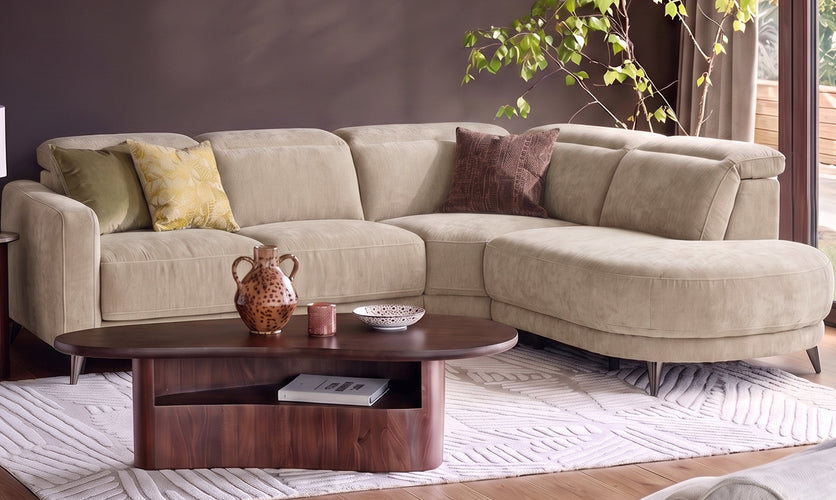
Leather Sofa Care
A leather sofa naturally becomes more characterful with use, but a little maintenance helps preserve its softness and finish over time.
Vacuum around seams and cushions regularly to prevent dust build-up, and keep the leather away from prolonged direct sunlight or heat, which can cause it to dry out. If marks appear, gently blot rather than scrub, allowing the leather to retain its natural texture and colour variation.
Applying a leather conditioner occasionally will help maintain suppleness, particularly in high-use family spaces where the sofa is part of everyday life.
How to Care for Leather Dining Chairs
Leather dining chairs experience more frequent movement and contact than most furniture, particularly around busy dining tables where spills and everyday wear are inevitable.
Keeping them looking their best comes down to consistency rather than intensive cleaning. A quick wipe-down after meals and occasional dusting around seams and stitching is usually enough to maintain the finish.
If your chairs sit in strong natural light, rotating them slightly over time can also help the leather age more evenly across the set.
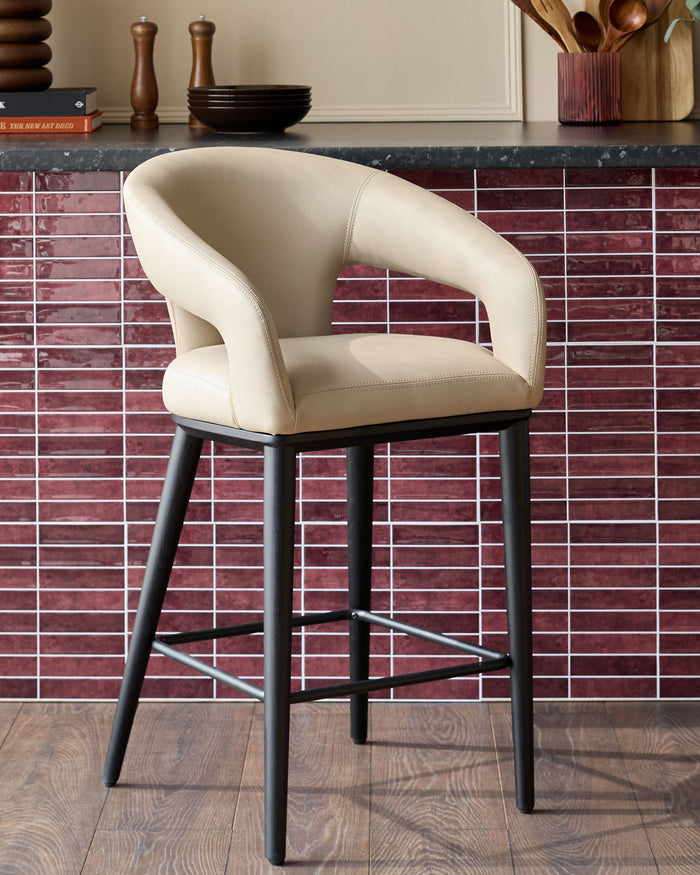
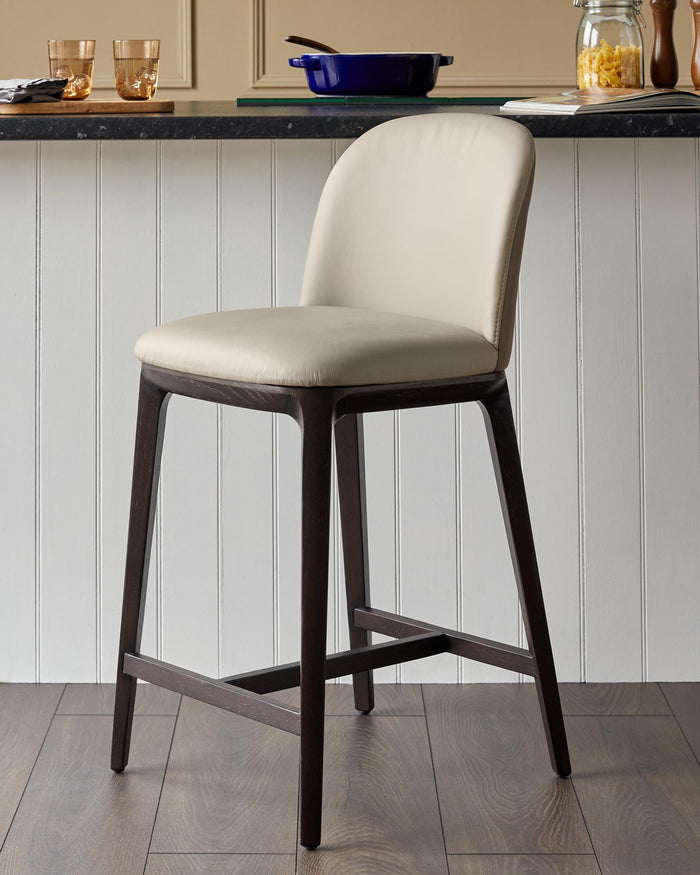
Leather Bar Stool Care
Leather bar stools tend to become the social centre of the kitchen - used for everything from morning coffee to late evening conversations.
Because they’re handled more frequently, lighter regular upkeep works best. Pay attention to areas that come into direct contact most often, such as seat edges and backs, and avoid letting spills settle into the surface.
For stools with metal or wooden detailing, keeping the frame clean alongside the upholstery helps the overall piece continue to feel refined and well balanced within the space.

Faux Leather Care
Faux leather offers the look of real leather with added durability, making it a practical choice for everyday living and high-use spaces alike.
To care for faux leather:
· Wipe regularly with a soft cloth and warm, lightly soapy water
· Clean small sections at a time, drying afterwards with a clean cloth
· Use a specialist faux leather cleaner for more stubborn marks
Although durable, faux leather can dry out over time - particularly in direct sunlight - so using a protective conditioner can help maintain its appearance and flexibility.
Common Leather Care Mistakes to Avoid
Even good intentions can damage leather if the wrong products or techniques are used.
Avoid:
· Using bleach-based or harsh household cleaners
· Over-wetting the leather
· Scrubbing marks aggressively
· Placing leather furniture directly beside radiators
· Leaving spills untreated for long periods
Leather responds best to gentle, consistent care rather than heavy cleaning.
How Leather Furniture Ages Over Time
One of the reasons leather remains so popular is because it ages differently to many other upholstery materials.
Rather than wearing out, quality leather develops more character through use. Natural creasing, softening, and subtle variations in tone are all part of the material settling into your home.
This ageing process is often what gives leather furniture its warmth and individuality. With proper care, a leather sofa or dining chair doesn’t just last - it evolves.
Final Thoughts
Good leather care is less about intensive cleaning and more about understanding the material itself.
By knowing what type of leather you have, following a simple maintenance routine, and avoiding a few common mistakes, your furniture will continue to look and feel its best over time.
Because when leather is looked after properly, it doesn’t just stay beautiful - it becomes even more characterful with every year of use.